All Products
Abbey sweets and confectionery: the tradition behind the jar
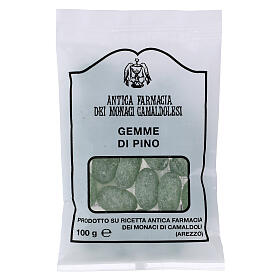
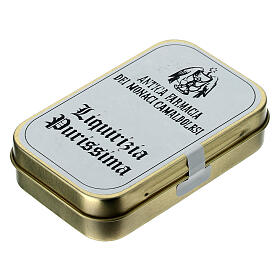
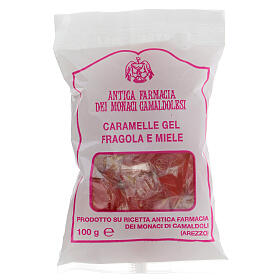
Monastic herbal sweets are the pocket version of the convent pharmacy. Before over-the-counter lozenges existed, the most effective way to deliver a plant extract — anise, eucalyptus, mint, liquorice, thyme — was to trap it in a mass of cooked sugar that dissolved slowly in the mouth. The recipe served to make palatable and portable what was otherwise a bitter decoction. Many of the lines you find here descend directly from those preparations.
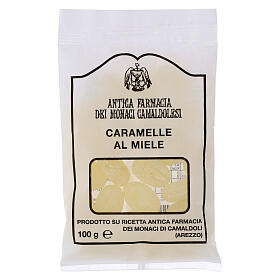
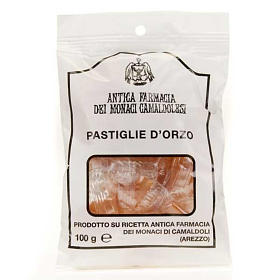
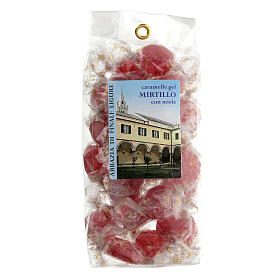
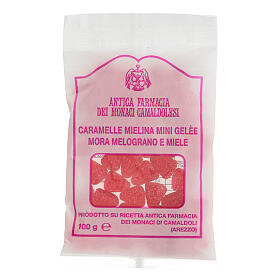
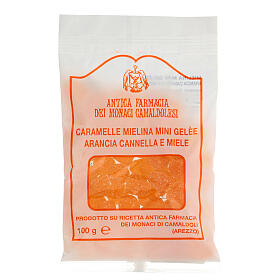
Technically there are two broad families, distinguishable by eye. Hard sweets are sugar and glucose syrup cooked above 145 °C and taken down to a very low water content: they are glassy, translucent and dissolve slowly. Soft sweets and jellies stay at lower cooking temperatures and retain more water, with the addition of gelling agents such as fruit pectin, gum arabic or gelatine. Anyone following a vegetarian or vegan diet should check this last point on the label, since gelatine is of animal origin while pectin and gum arabic are not.
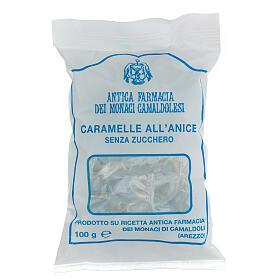
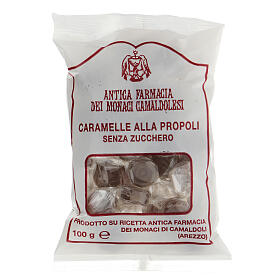
«Sugar-free» lines deserve a practical note. They replace sucrose with polyols — maltitol, isomalt, sorbitol, xylitol — which provide fewer calories and do not feed tooth decay. They do, however, have a laxative effect in quantity: European regulation requires the warning «excessive consumption may produce laxative effects» above 10% polyols. They are therefore not ideal for continuous consumption across the day, which is exactly the typical use of a balsamic sweet.
When choosing, the dominant herb tells you more about intended use than the brand does. Eucalyptus and menthol have a cooling effect on the airways, which is why they dominate the winter season. Anise and fennel belong to the after-meal digestive tradition. Liquorice, very present in monastic production, should be used in moderation by anyone with high blood pressure: glycyrrhizin can contribute to raising arterial pressure when taken regularly and in meaningful quantities. Worth knowing before you keep the jar on your desk.
For storage the problem is always humidity. Hard sweets are hygroscopic: they absorb water from the air, turn sticky and weld together. Keep them in an airtight container somewhere cool and dry, away from radiators and not in the fridge, where the condensation that forms on opening makes matters worse. Jellies have the opposite difficulty — they tend to dry out and harden — and should be finished more quickly once the pack is open.
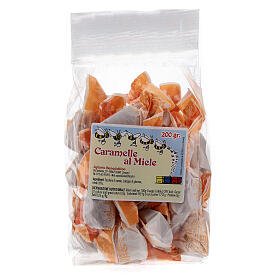
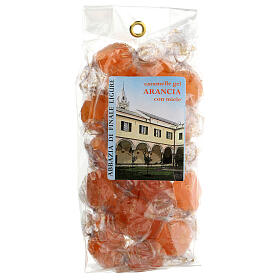
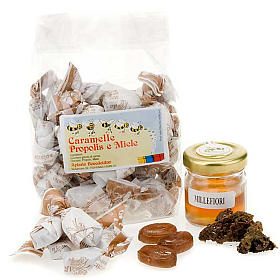
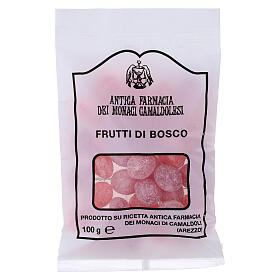
22 products found
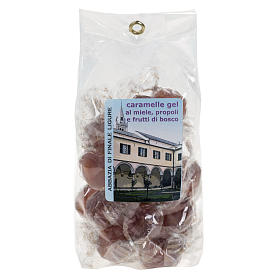
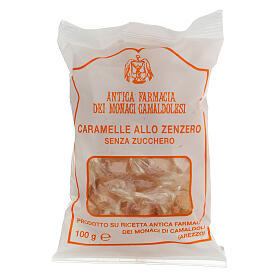
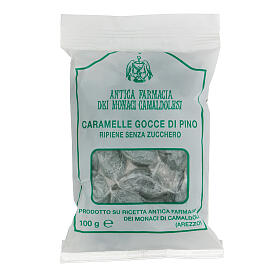
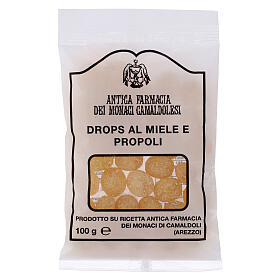
Frequently asked questions about candies-sweets
Answers to the most common questions from our readers. Tap a question to read the answer.
Typical monastic confections include herbal balsamic candies, honey and propolis lozenges, almond and pine-nut confetti, torrone, dry biscuits, ricciarelli, honey tablets and almond "kisses". Recipes are often centuries old and prepared in the abbey's own workshop.
Monastic herbal and honey candies are usually free from artificial colors, preservatives and synthetic flavors. For children under 3, however, avoid hard candies (choking risk) and any sweets containing propolis or active herbs without medical advice.
Many herbal and honey candies are naturally gluten- and lactose-free, but baked goods (biscuits, ricciarelli, cakes) usually contain them. Always check the label: monasteries declare allergens and ingredients according to EU regulations.
Hard candies keep for 18–24 months in a cool, dry place. Torrone and dry biscuits last 6–12 months in their sealed packaging. Fresh products (monastic panettone, soft confetti) have shorter shelf lives: always check the best-before date on the label.