The Scriptorium
Scriptorium
Guides, stories and knowledge from the monasteries: monastic culture told with care, to help you choose what's crafted behind abbey walls.
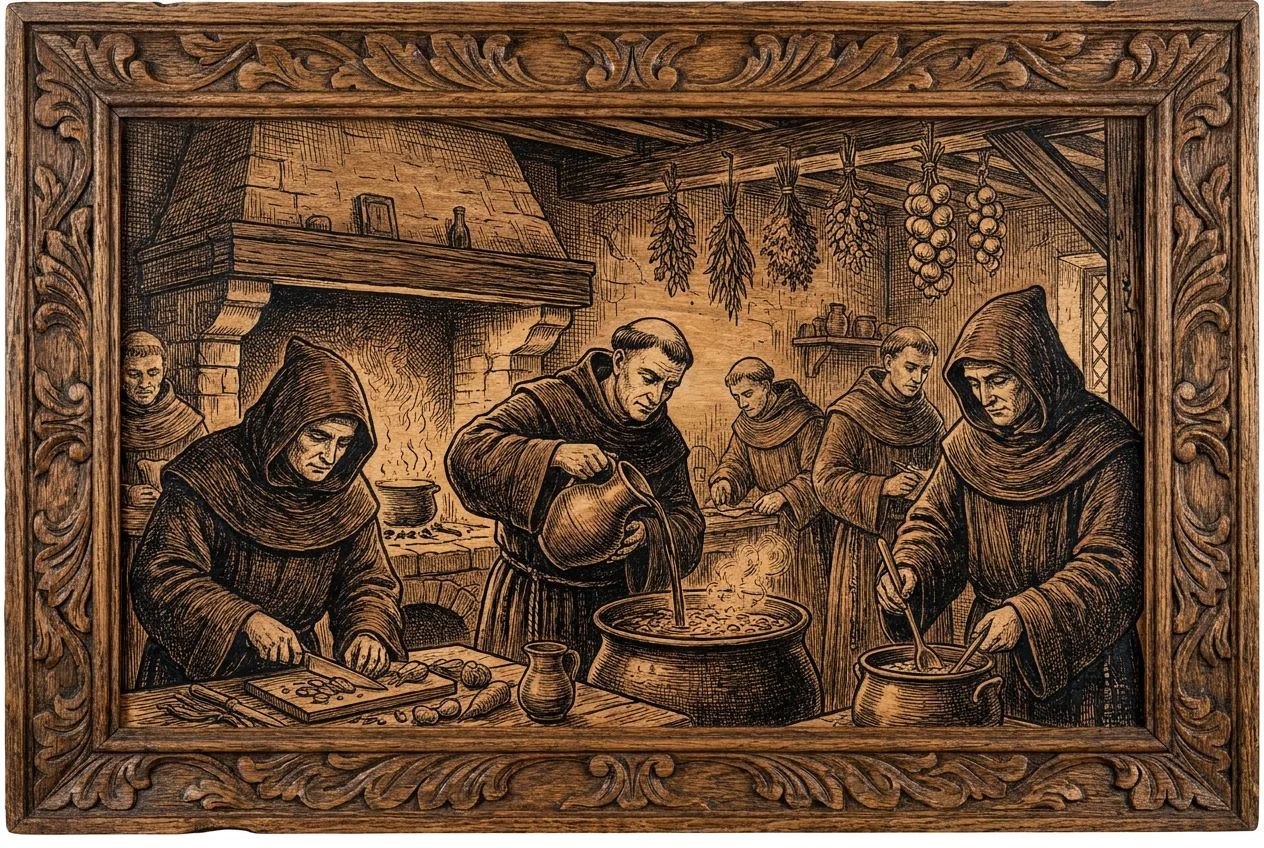
Cooking with Trappist Beer: Simple Monastery Recipes
Stews, risottos, and sauces: how to use a dubbel or tripel in cooking to add depth to dishes, with tricks straight from abbey kitchens.
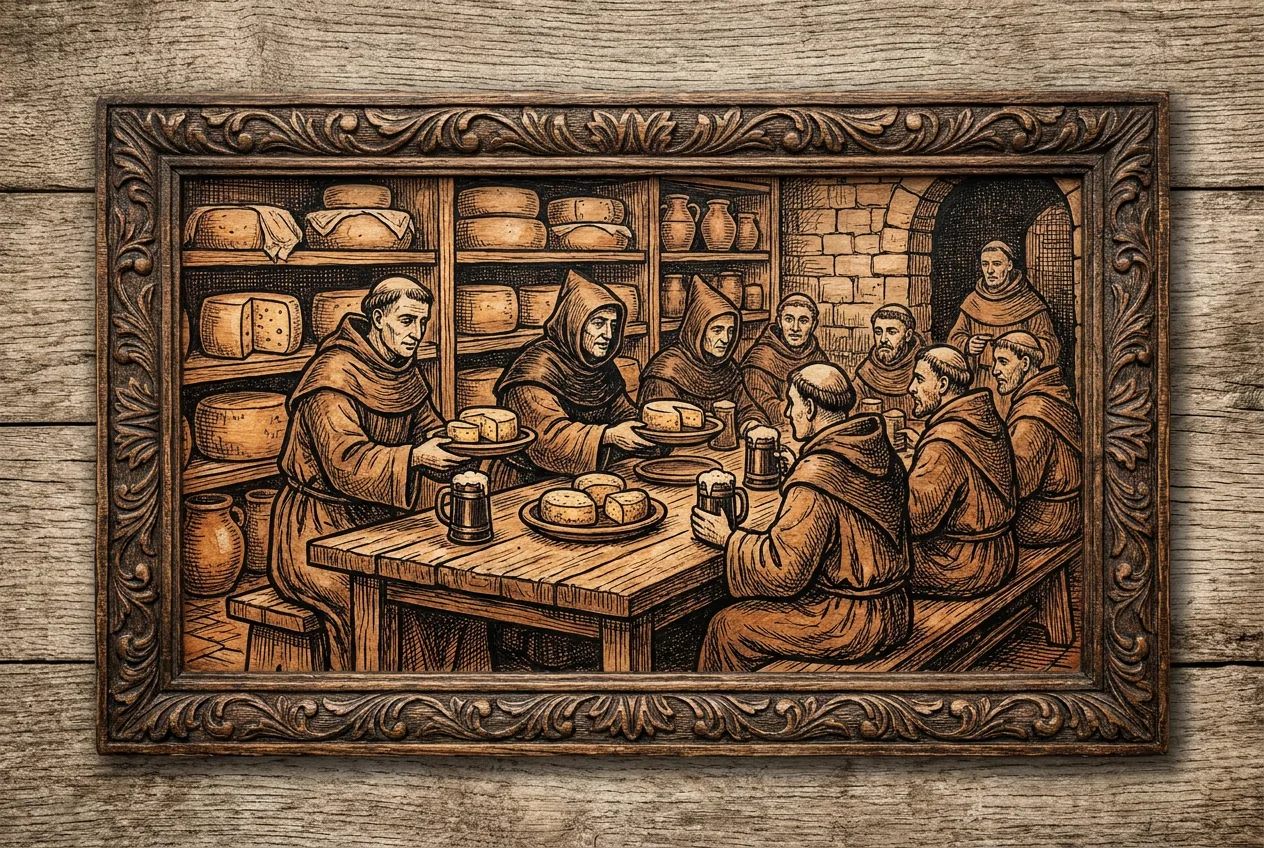
Trappist Beer and Cheese: The Guide to Perfect Pairings
From dubbel with blue cheese to tripel with Pecorino: simple principles to perfectly match abbey beer with the right cheese.
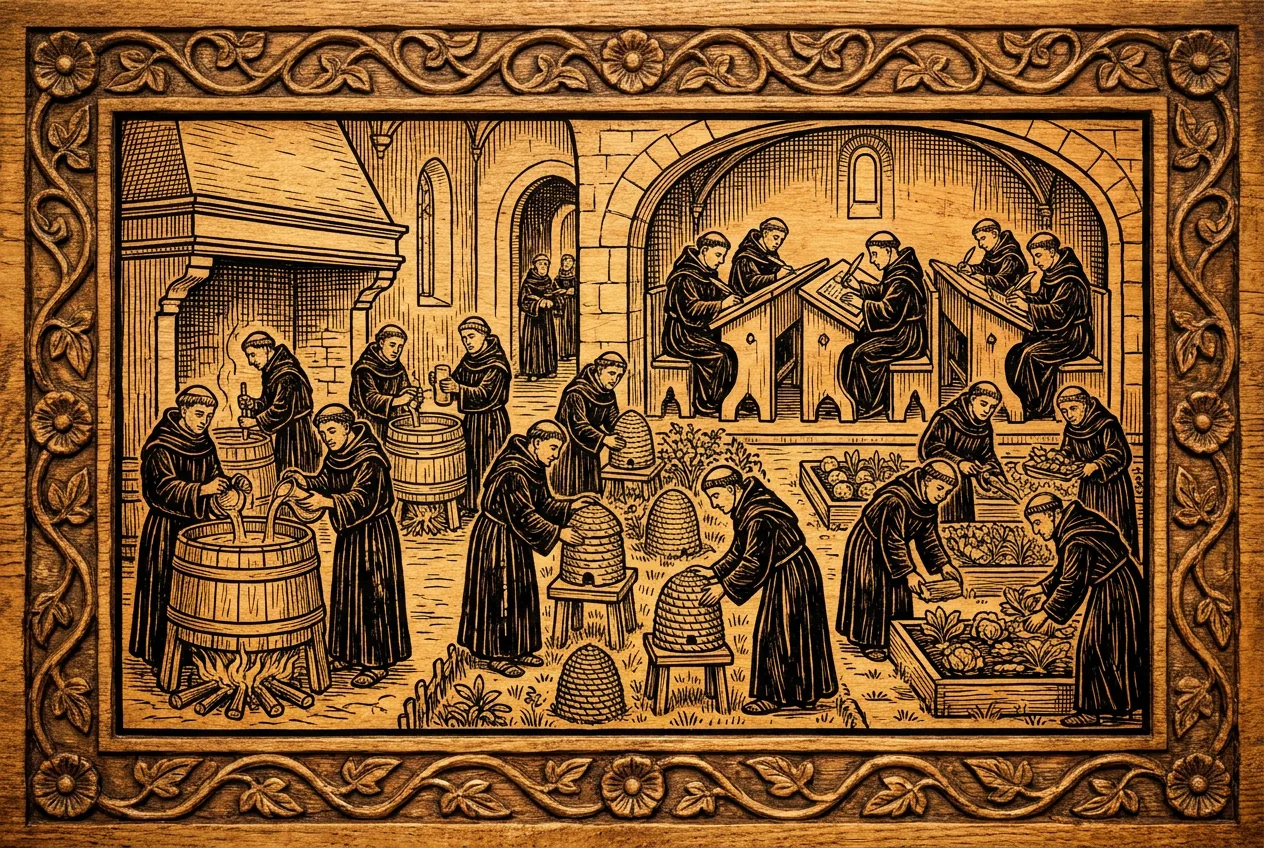
Ora et Labora: How the Rule of Saint Benedict Created Monastery Products
From beer to honey, from liqueurs to herbs: the Benedictine motto «pray and work» is the hidden thread connecting all products born within abbey walls.
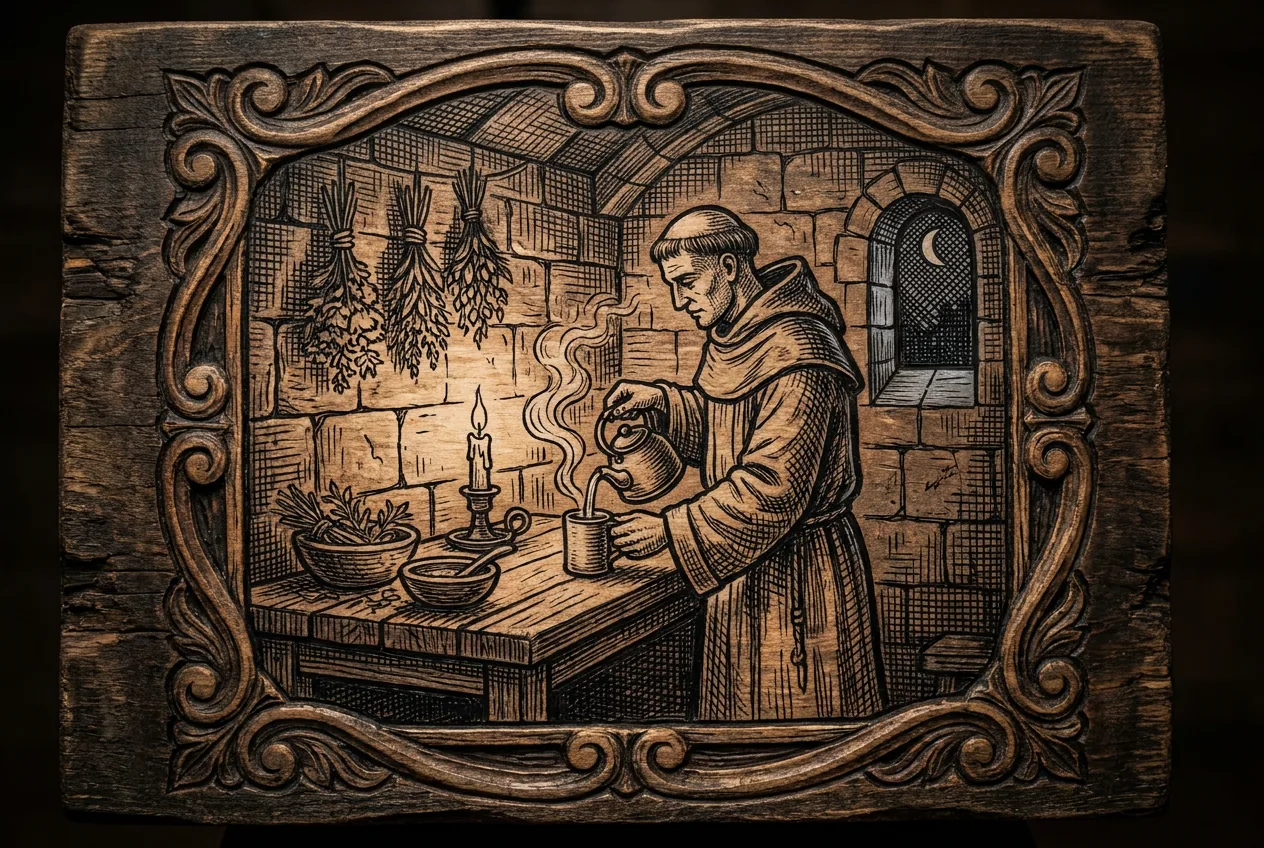
Evening Herbal Teas: Monastic Blends for Relaxation
Chamomile, lemon balm, linden, and other evening herbs: how monasteries create blends to unwind and how to best prepare them at home.
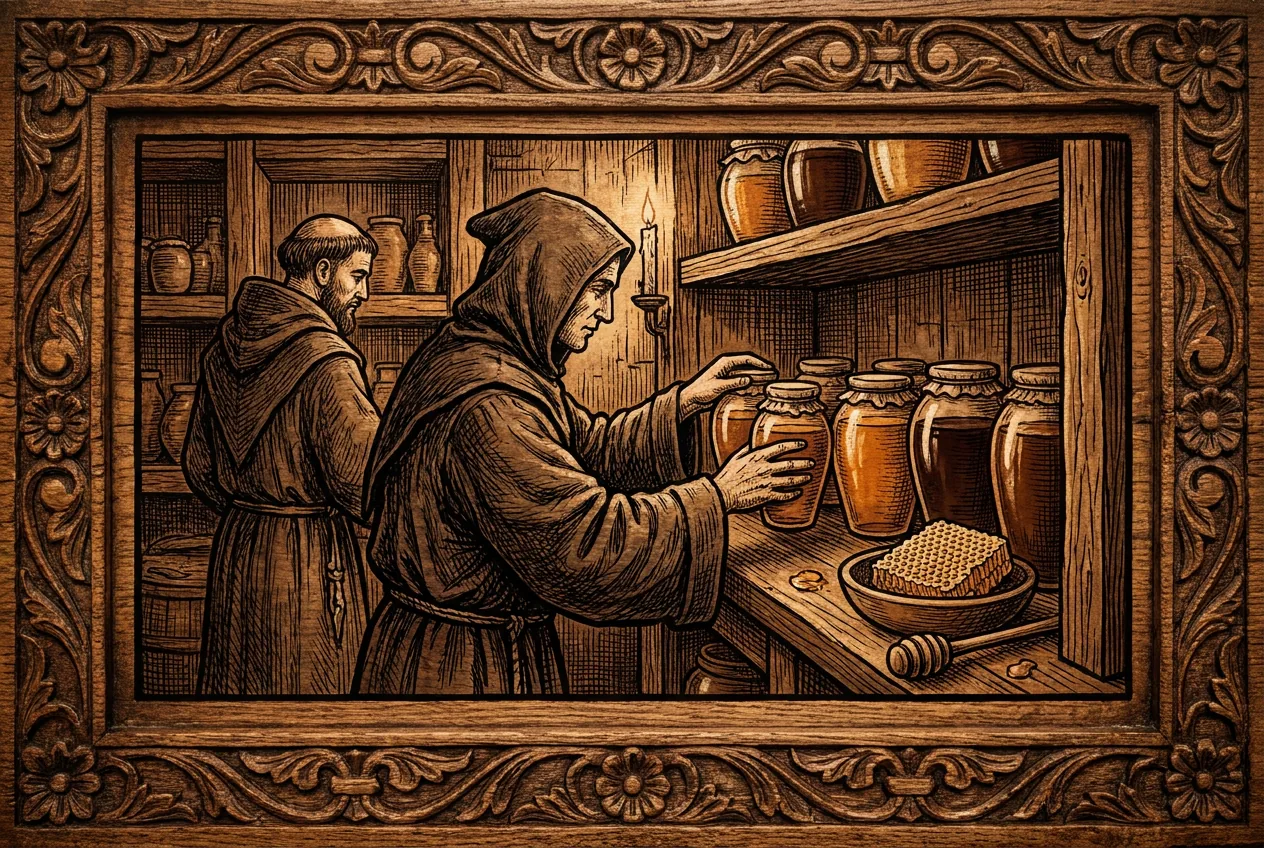
Types of Monastic Honey: Acacia, Chestnut, and Wildflower Compared
In front of a monastery shelf, all the jars might look the same, but between a very light acacia and an almost black chestnut, there's a world of flavor difference. Here's how to read color, aroma, and consistency to choose the right honey — and to understand when a single-flower honey is best, and when a wildflower blend is better.

How to Taste a Trappist Beer: Glasses, Temperature, and Pairings
A Trappist beer is not to be rushed. The right glass, a few extra degrees in the pour, and a careful hand can completely transform your experience. Here's a practical guide to ensure you don't waste a bottle that the monks have allowed to mature for months.
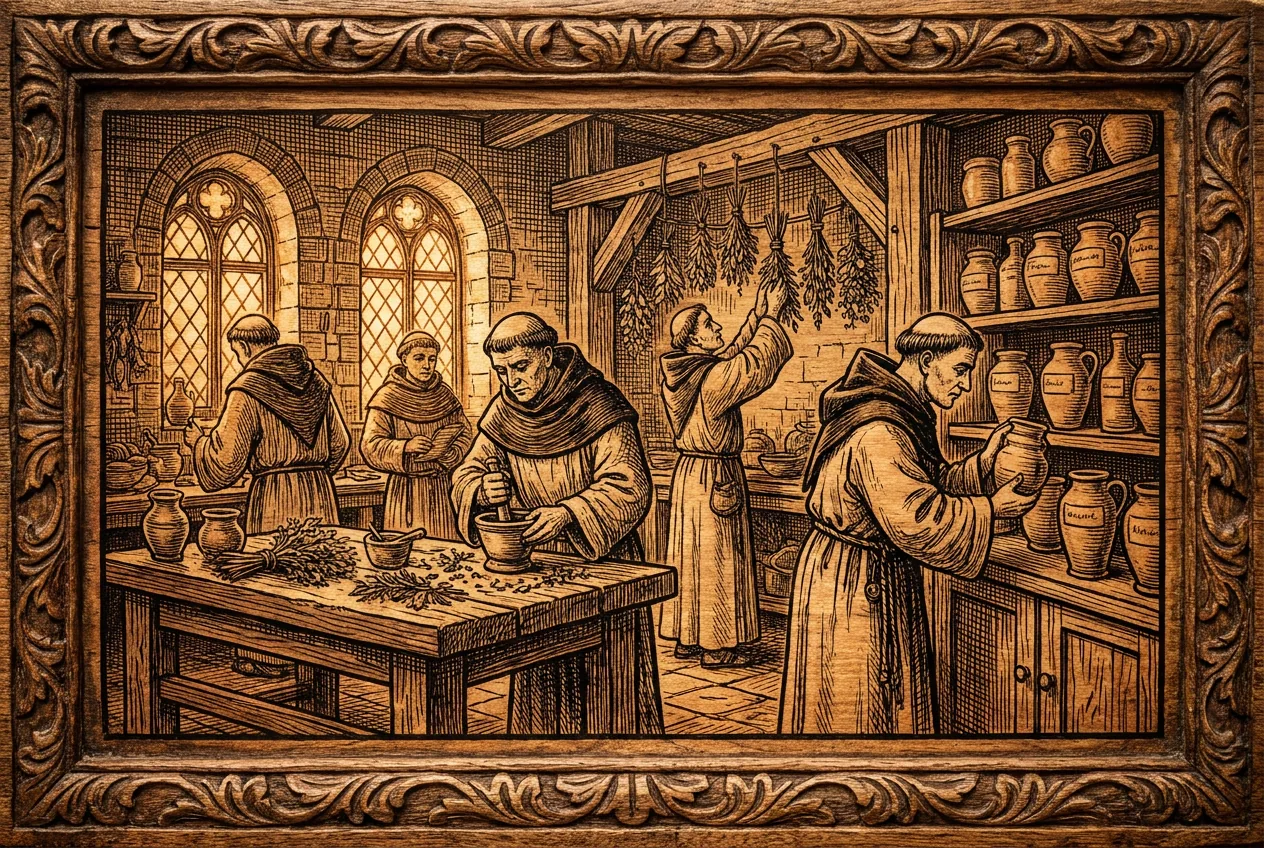
Natural Remedies from Monasteries: The Great Herbal Tradition
Herb gardens, illuminated manuscripts, abbey pharmacies: for centuries, monasteries have been the custodians of herbal knowledge. Discover how monastic tinctures, ointments, and infused oils are made, what they truly are, and how to use them wisely.
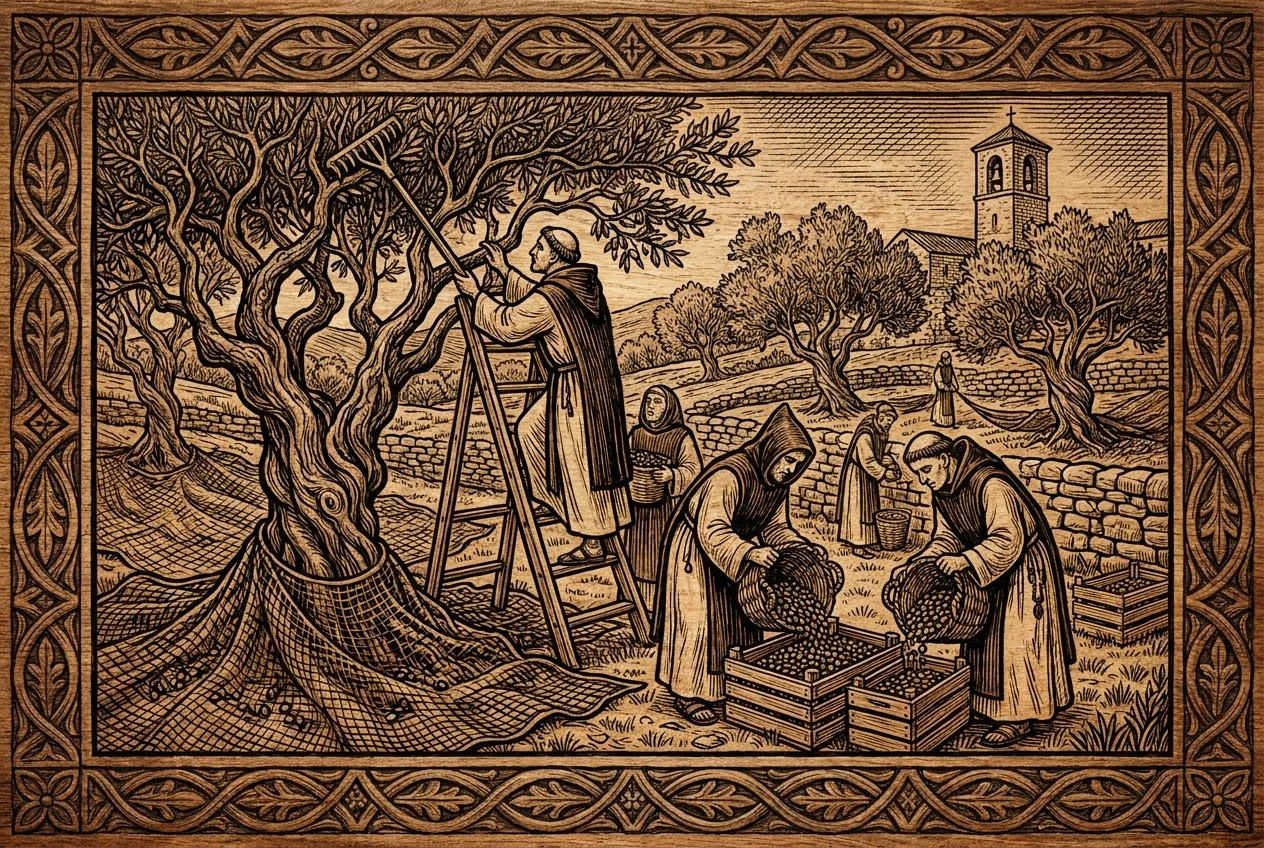
Monastic Oils and Condiments: The Green Gold of the Abbeys
Olive groves tended like gardens, rapid pressing, herbal oils, and aromatic vinegars: how monastic condiments are made and how to recognize — and preserve — a truly valuable bottle.
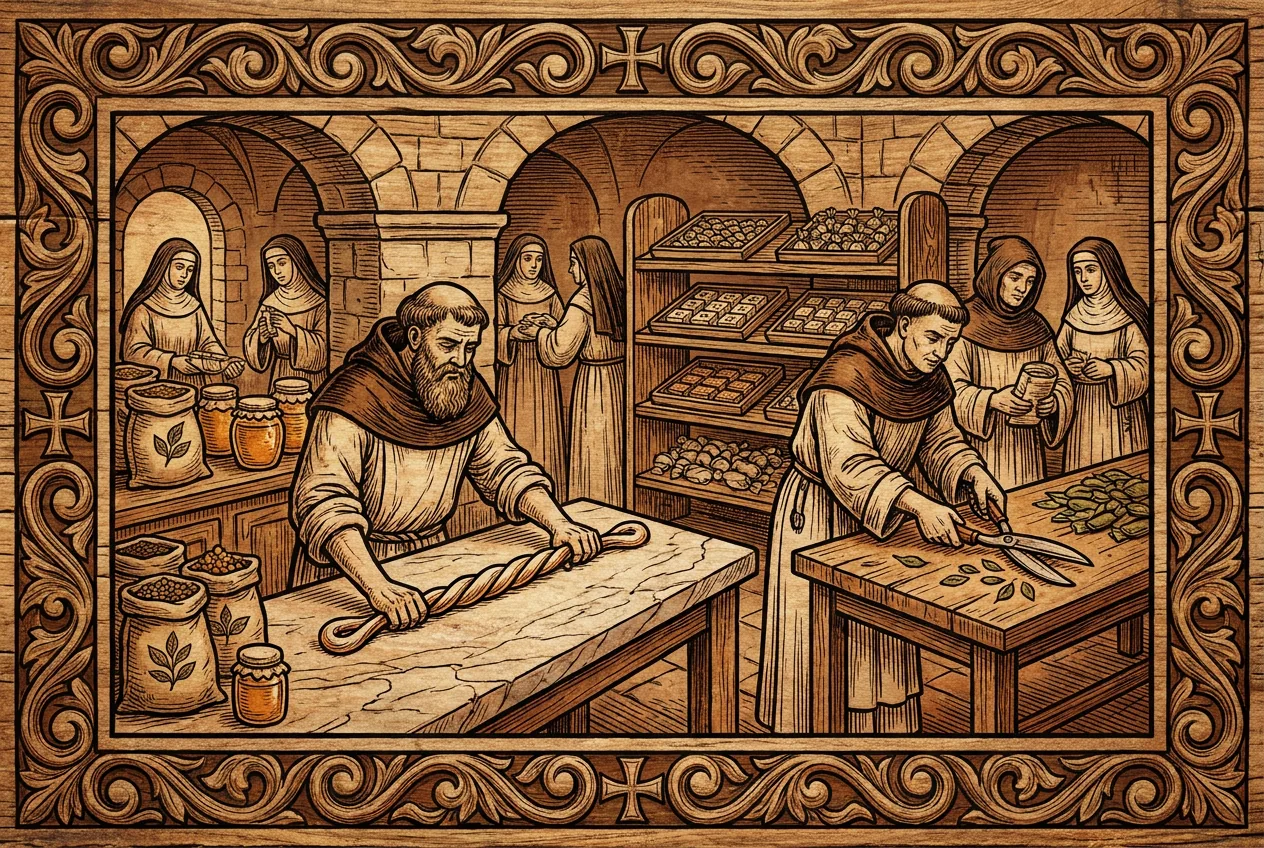
Sweets and Candies from Convents: The Delicious Tradition of Monasteries
Nougat, herbal pastilles, biscuits, and sugared almonds born behind the grates of monasteries and convents: a few ingredients, skilled hands, and a calendar of feasts. How to recognize them and how to enjoy them.
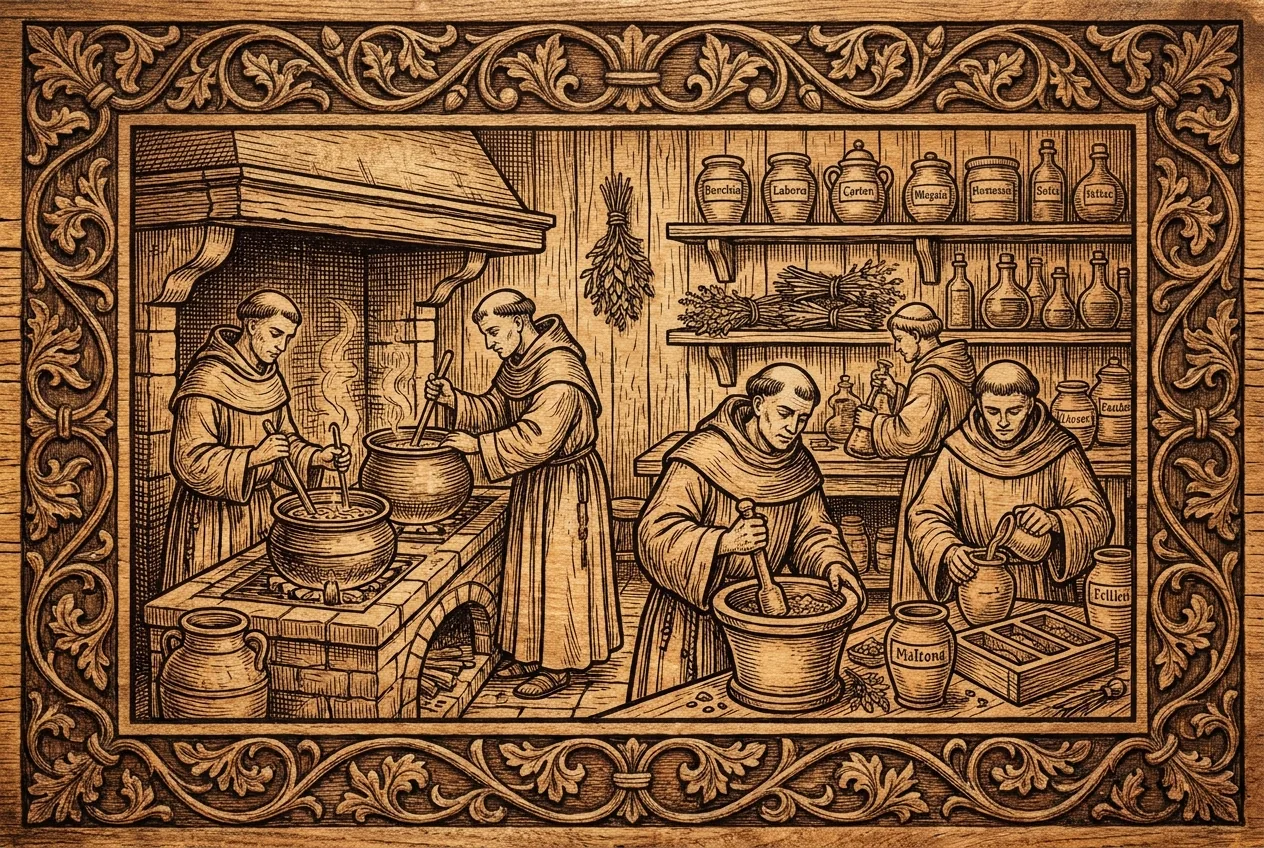
Monastery Cosmetics: Herbs, Oils, and Natural Skincare
Balms, ointments, and soaps born in abbey herbal apothecaries: few ingredients, deep plant knowledge. How they're made and how to choose them.
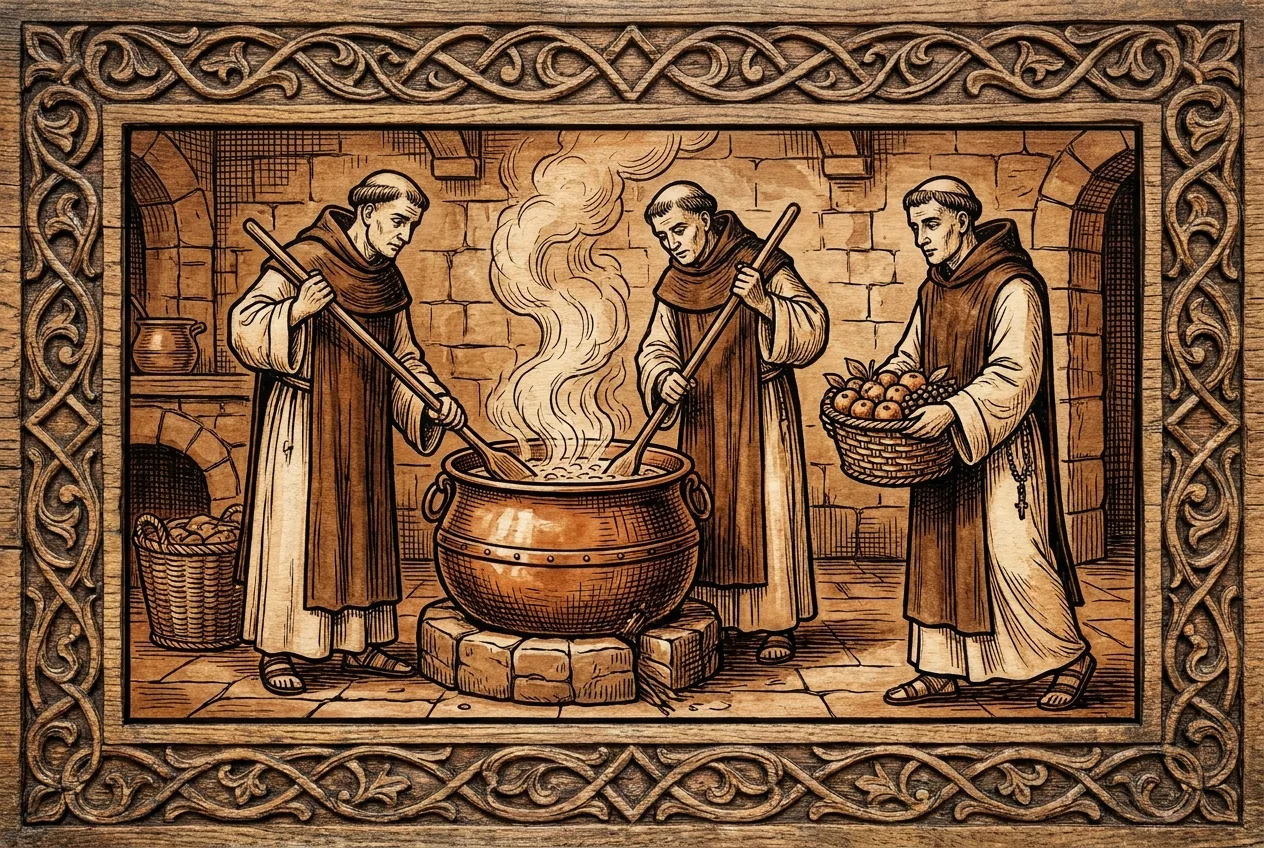
Abbey Jams and Preserves: Fruit, Time, and Patience
In monastery kitchens, garden fruit becomes jam with just a few ingredients and long cooking in copper pots. Discover how it's made and how to recognize its quality.
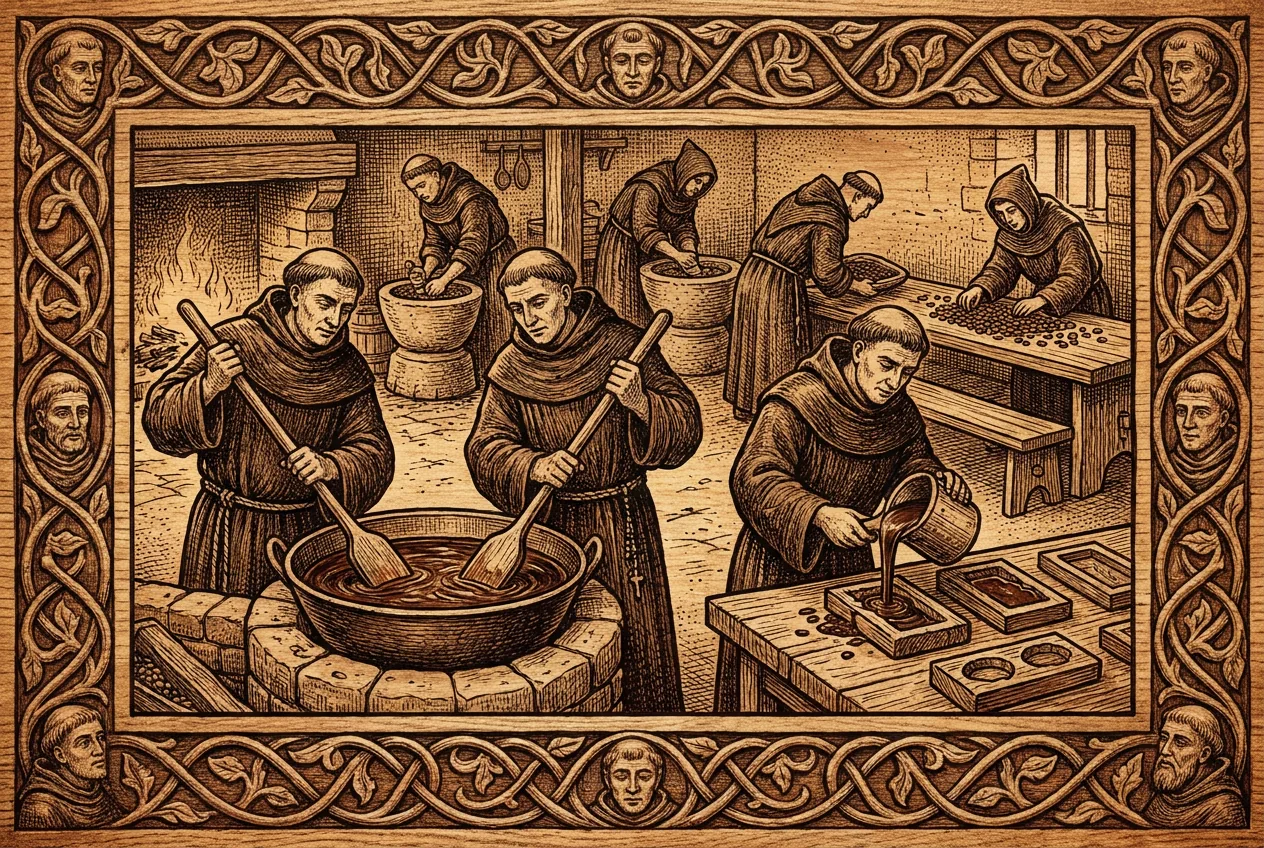
Monastery Chocolate: From Cocoa Bean to Bar
Behind a bar of monastic chocolate lies a slow, patient process, made with few raw ingredients and much care. Here's how it's made and how to recognize its quality.
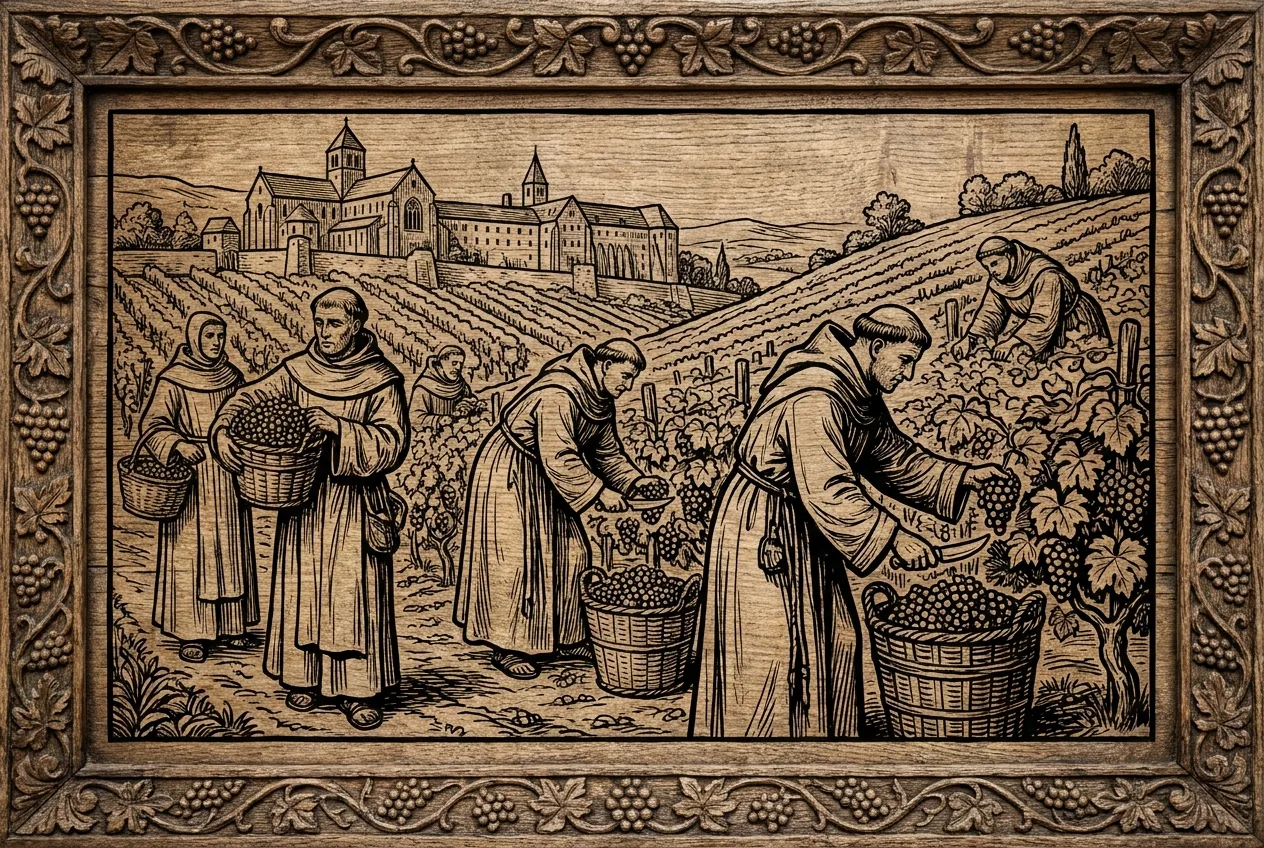
The Wine of Monks: Why Abbeys Have Made Great Wine for a Thousand Years
For over a thousand years, abbeys have nurtured vines and refined the art of winemaking. Discover why monks were masters of viticulture and how to choose a good abbey wine.
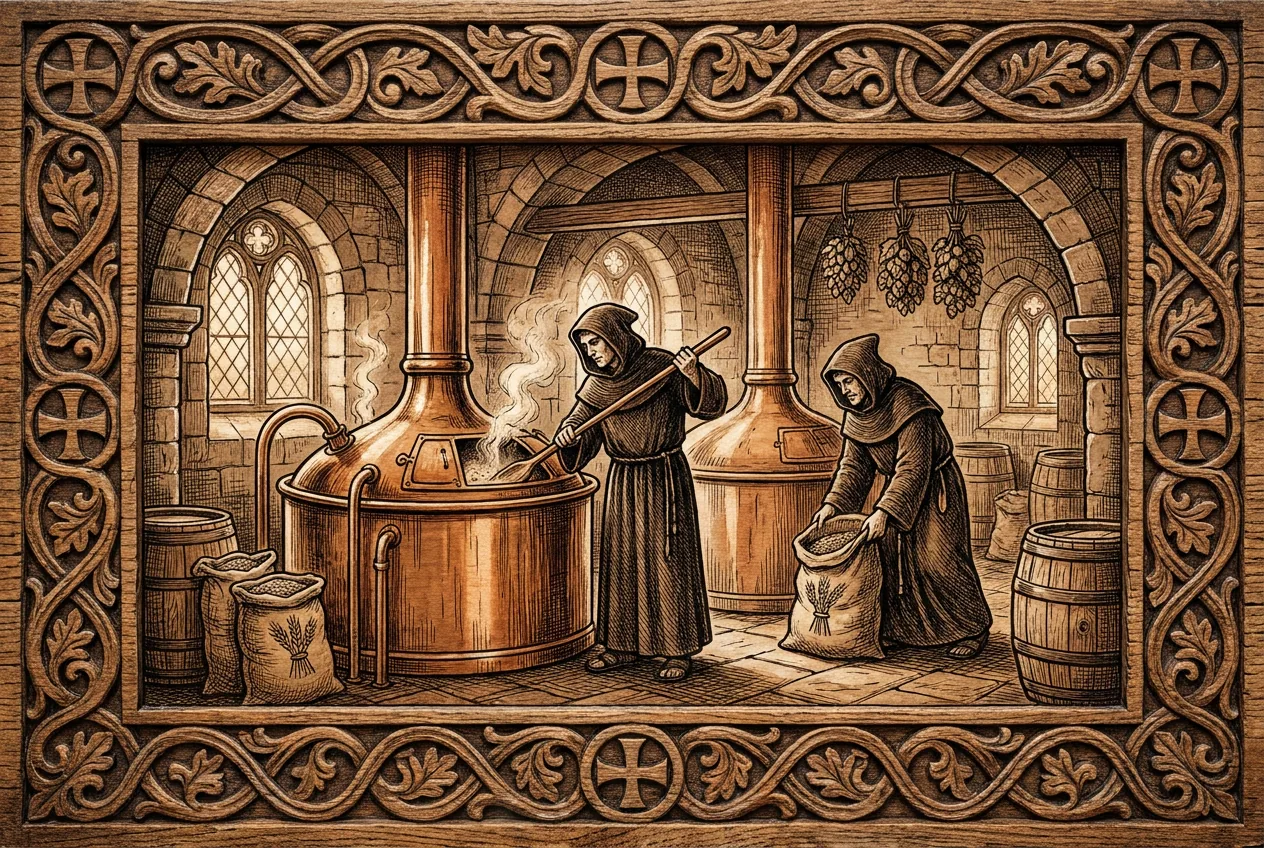
Trappist or Abbey Beer? The Difference Almost No One Knows
Not all monastic beers are Trappist. Here's how to recognize an authentic Trappist beer by its label, and why abbey beer is a different story.
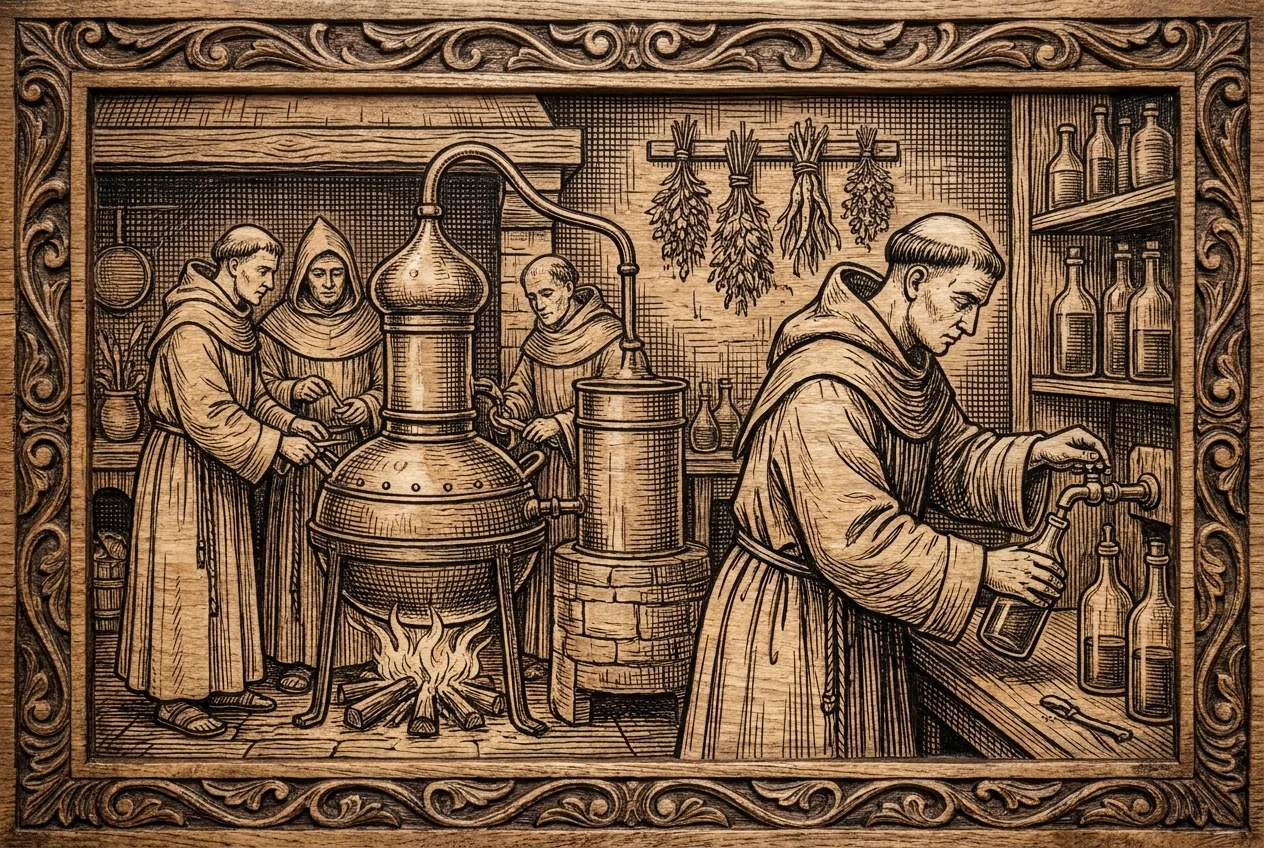
Elixirs, Bitters, and Liqueurs from Monasteries: A Guide to Abbey Digestifs
From elixirs to bitters, monastic herbal liqueurs are born from patient infusions. Here are the types, the difference between a bitter and a digestif, and how to best enjoy them.
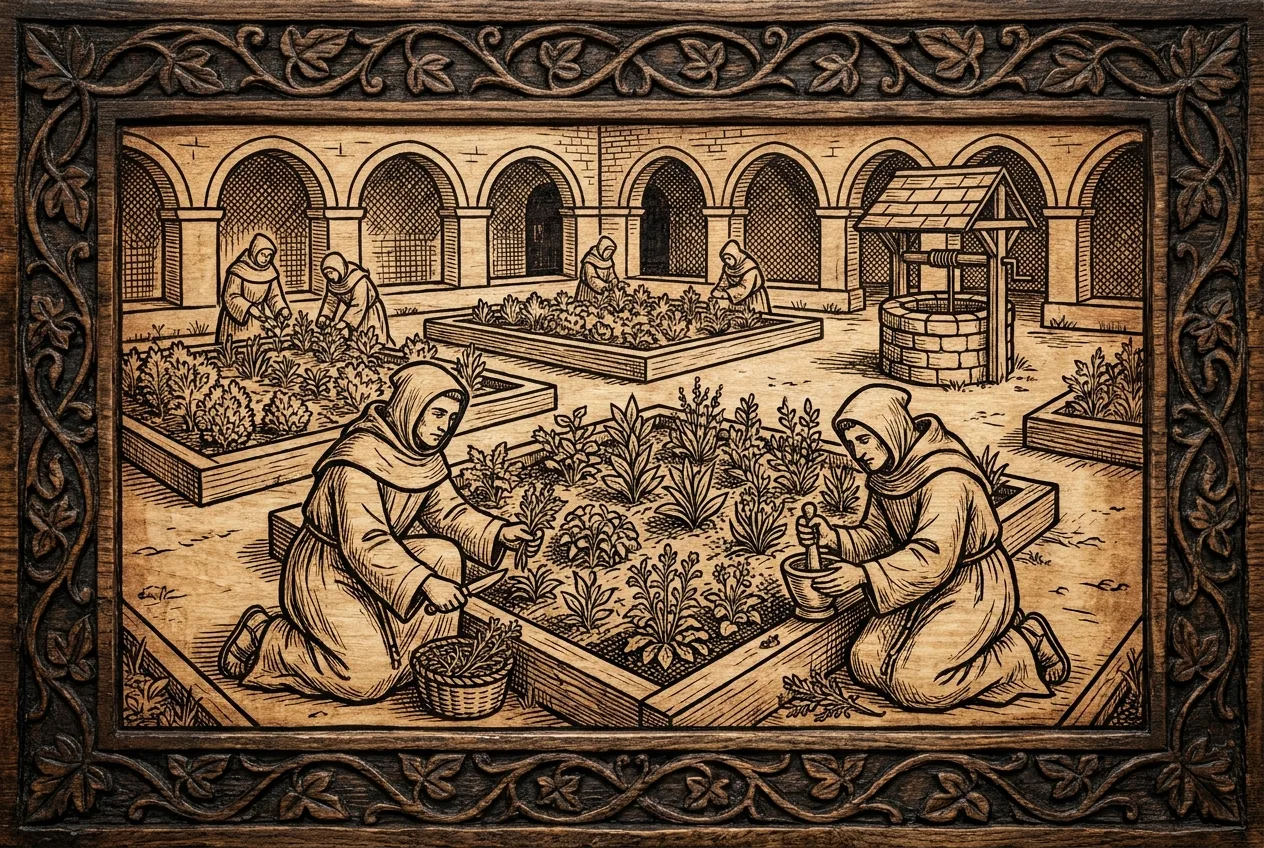
Monastic Herbal Teas: Your Guide to Herbs Cultivated by Monks for Centuries
From simple gardens to today's blends: discover how monastic herbal teas are made, which herbs are used, and how to choose the right one for your needs.
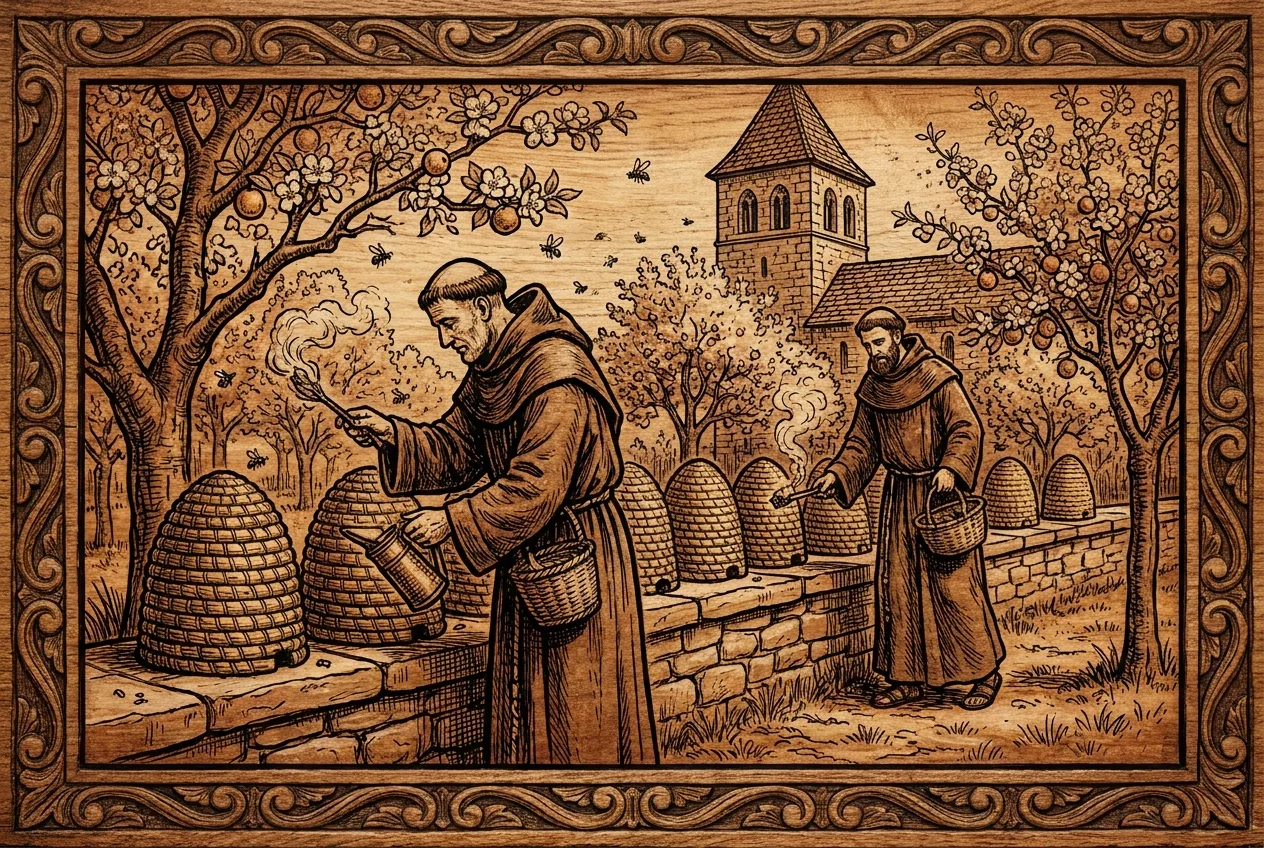
Honey, Propolis, and Wax: Treasures from the Monastic Hive
For centuries, monasteries have kept bees. Here's what comes from their hives — honey, propolis, pollen, and wax — and how to recognize a truly artisanal product.