All Products
Monastic preserves: why they are not all the same
Jam and marmalade are not synonyms, and the difference is not linguistic pedantry but a legal definition. The European directive reserves the term «marmalade» for citrus-based products. Everything else — apricots, cherries, figs, berries — is jam. If the fruit content then exceeds 45% and only pulp is used, the product is an extra jam. This is the first thing to look for on the label, because it separates a fruit product from a sugar product flavoured with fruit.
Monastic production has a structural advantage in this category: it starts from the community's own orchards, worked in season and processed in small batches. That means shorter cooking times in modest-sized pans, where heat distributes better and the fruit is not broken down. The recognisable result is a texture in which pieces of fruit remain distinguishable and a colour that stays bright instead of turning brown. Industrial jams, cooked in large masses, tend towards a more uniform appearance and a flatter aromatic profile.
On sugar content it is worth being clear, because this is where commercial messaging is most slippery. Sugar in a preserve is not merely a sweetener: it is the preservative that binds free water and prevents microbial growth. A traditional jam sits at around 55-65% soluble solids. «No added sugar» versions rely on concentrating the fruit itself or on sweeteners, keep less well once opened and must be eaten more quickly. They are not automatically healthier: they still contain the sugars naturally present in the fruit.
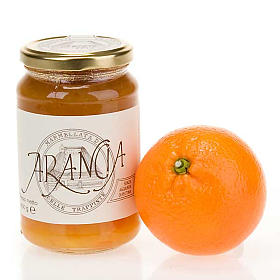
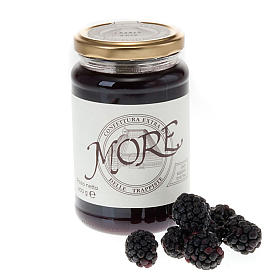
For choosing, the practical criterion is what you will do with it. Apricot and stone-fruit jams, sweet with moderate acidity, are the most versatile for breakfast and for tarts. Berries and cherries, more acidic, pair better with aged cheeses and game. Bitter citrus marmalades, typically orange, suit anyone looking for contrast and work well with blue cheeses and dark chocolate. Fig and onion compotes follow the same savoury-pairing logic.
Once opened, the jar belongs in the fridge and should be finished within a few weeks — roughly three or four for a traditional jam, less for reduced-sugar versions. Always take from the jar with a clean, dry spoon and never leave it open at room temperature. If you see mould on the surface, discard the whole jar: removing the visible part does not remove the mycotoxins that may have spread through the product beneath.
25 products found
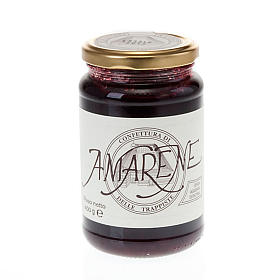
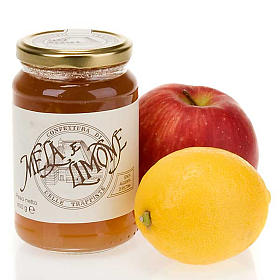
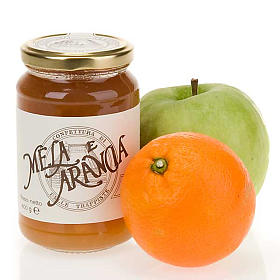
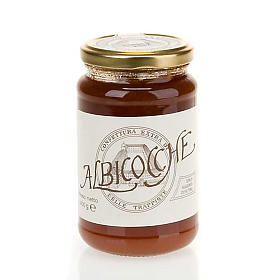
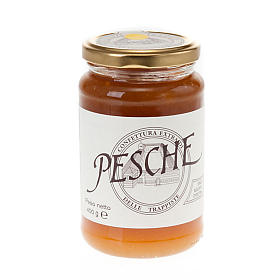
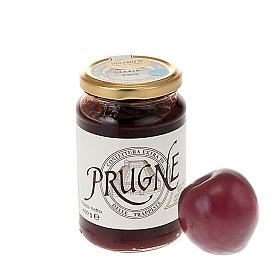
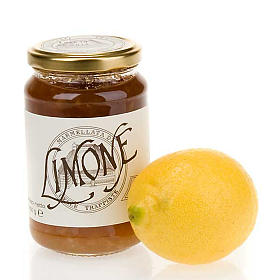
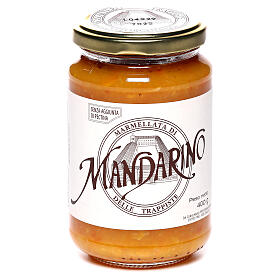
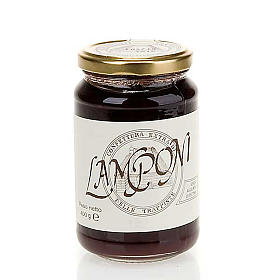
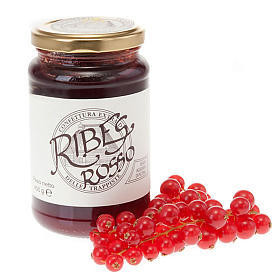
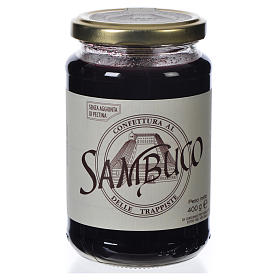
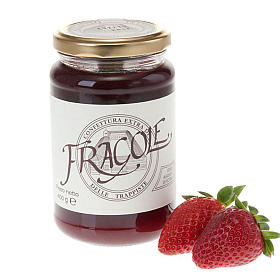
Frequently asked questions about jams-and-preserves
Answers to the most common questions from our readers. Tap a question to read the answer.
Under EU law (Directive 2001/113/EC) the word "marmalade" is reserved for products made with citrus fruits (oranges, lemons, mandarins, grapefruits). All other sweet fruit spreads are correctly called "jam" or "preserve". Abbeys follow this distinction on their labels.
Traditional monastic jams are made only with fruit, sugar (or honey) and lemon juice. The sugar itself acts as a natural preservative. They contain no industrial pectin, colors or artificial preservatives — which is why color may be less uniform but flavor is more authentic.
Sealed: 18–24 months in a cool, dry place. Once opened, keep refrigerated and use within 3–4 weeks. If light mold appears on the surface, do not just scoop it off — discard the whole jar, because toxins can spread below the surface.
Standard jams are high in sugar (~40–60 g per 100 g). Many abbeys produce "no-added-sugar" versions sweetened with apple juice or honey, but they remain calorie-dense. If you are diabetic, always check with a dietitian before adding them regularly to your diet.