All Products
Monastic cosmetics and essential oils: finding your way
Monastic herbalism is the oldest and most continuous branch of the convent tradition: the hortus simplicium, the garden of medicinal plants, was part of the standard architecture of an abbey. From it descend the ointments, infused oils and distilled waters we find today in monastic cosmetics. What has changed is the regulatory framework: a cosmetic sold in the European Union must comply with Regulation 1223/2009, have an identifiable responsible person, a safety assessment and the full list of ingredients in INCI nomenclature. Even when the product comes from a monastery.
Reading the INCI is the most useful skill in this category. Ingredients are listed in decreasing order of concentration down to 1%; below that threshold the order is free. Latin names indicate plant extracts, English ones synthetic or modified substances. One fact surprises anyone expecting «natural» formulas: aqua is almost always the first ingredient in a cream, and that is normal. Likewise, the presence of preservatives is not a defect but a necessity: a water-based product without a preservative system develops microbial loads within weeks.
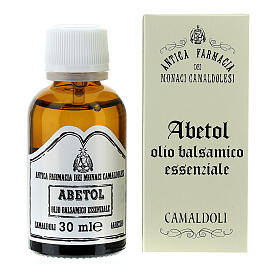
Essential oils require a distinction that commercial language tends to blur. An essential oil is a highly concentrated volatile extract, obtained by steam distillation or, for citrus, by pressing. It is not an oil in the culinary sense and must not be used neat on the skin: it should be diluted in a carrier oil — sweet almond, jojoba, olive — typically at 1-3%. Citrus essential oils are also photosensitising: applied to the skin before sun exposure they can cause lasting pigmentation. They should not be ingested except under professional guidance, and must be kept out of reach of children.
Some categories call for specific caution. Essential oils are not advised in pregnancy and breastfeeding without medical advice, and several of the commonest — eucalyptus, peppermint, camphor — are contraindicated in small children because of the risk of laryngeal spasm. Anyone with sensitive skin or dermatitis should patch-test a small area of the forearm and wait 24-48 hours before wider use. No cosmetic, monastic or otherwise, may legally claim curative properties: a label promising to cure a condition is breaking the law.
In storage, degradation is driven by light, heat and oxygen. Essential oils belong in dark glass bottles, tightly closed and away from light; citrus oxidises faster and should be used within a year or two. Cosmetics carry the PAO symbol, an open jar with a number of months: from opening, that is the effective shelf life, regardless of the printed expiry date. Formulations based on vegetable oils without antioxidants go rancid, and the smell will tell you before any label does.
62 products found
Frequently asked questions about cosmetics and essential oils
Answers to the most common questions from our readers. Tap a question to read the answer.
Monastic cosmetics come from centuries of herbal tradition: the monks grow medicinal plants in the abbey gardens, work in small batches and deliberately avoid harsh preservatives, synthetic fragrances and plastic packaging. The result is simple, natural, fully traceable formulations — from the plant to the finished product.
Essential oils sold by monasteries are usually 100% pure and steam-distilled. They are used for aromatherapy, room diffusion and topical application diluted in a carrier oil. For clinical use or during pregnancy, always consult a doctor or qualified aromatherapist.
Keep essential oils and natural creams in a cool, dry place away from direct light — preferably in tightly closed dark glass bottles. Once opened, monastic cosmetics (without synthetic preservatives) should be used within the PAO printed on the label, typically 6–12 months.
No. Cosmetics produced by Trappist and Cistercian monasteries are historically cruelty-free: formulations are based on plant ingredients, waxes and oils with no animal testing, in line with monastic spirituality and with EU regulations that have banned animal testing on cosmetics since 2013.