All Products
Monastic teas and herbal infusions: preparation and choice
Monastic herbal blends come from the same tradition of the physic garden that produced the liqueurs and the ointments, but they represent the simplest form of extraction: hot water, time, no alcohol. It is also why they remain the most accessible product in the herbal category and the one with the fewest contraindications — provided you know what you are drinking.
The first useful distinction is technical and changes what ends up in the cup. Infusion is used for the delicate parts of the plant — flowers, leaves, flowering tops: pour hot water over the herb and leave covered for 5-10 minutes. Decoction is for the hard parts — roots, barks, seeds, berries: the herb must be brought to the boil in water and held for 10-15 minutes, because the actives would not otherwise be extracted. A blend containing roots but treated as a simple infusion produces a weak, washed-out tea.
Temperature matters more than people think. Boiling water at 100 °C is right for decoctions, roots and robust blends, but it scorches delicate leaves and green teas, which give their best between 70 and 80 °C. Chamomile and flowers in general extract well at around 90 °C. Always covering the cup during infusion is not an affectation: essential oils are volatile and, without a lid, much of what gives the tea its aroma evaporates into the room instead of staying in the drink.
When choosing, think in terms of function and time of day. Relaxing blends are built on chamomile, lemon balm, lime flower, passionflower and lavender and sit naturally in the evening. Digestive ones rely on fennel, anise, mint, gentian and artichoke and belong after meals. Winter balsamic blends use eucalyptus, thyme, marshmallow and mallow. Rooibos and fruit blends are naturally caffeine-free and suit any hour, while green tea, black tea and blends containing them do provide caffeine and should be avoided in the evening by anyone sensitive.
Two practical warnings. Herbs are not inert: liquorice can raise blood pressure, St John's wort reduces the effectiveness of numerous medicines including oral contraceptives, and senna and alder buckthorn are laxatives not to be used continuously. In pregnancy, while breastfeeding and during drug therapy it is worth reading the full herb list and asking your doctor. On storage: dried herbs belong in airtight opaque containers, away from light and damp, and hold their aroma for roughly twelve to eighteen months. They do not expire in the strict sense, but after that the tea smells of less and less.
23 products found
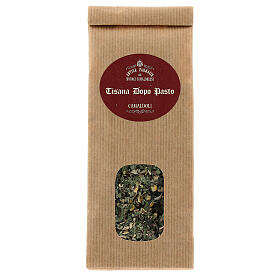
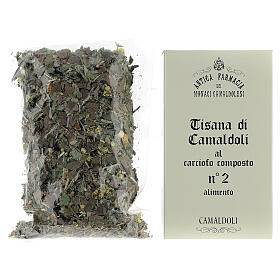
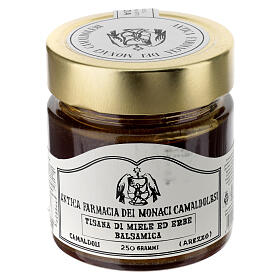
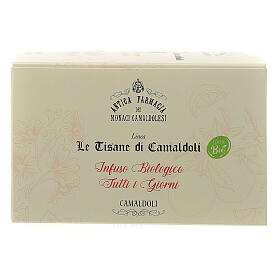
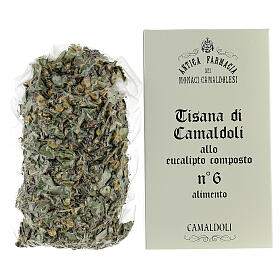
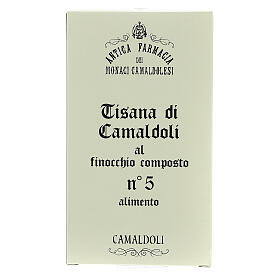
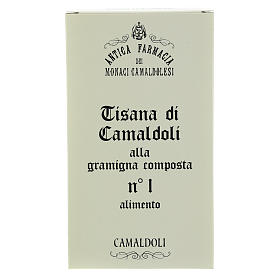
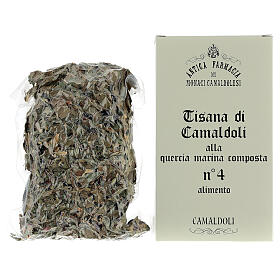
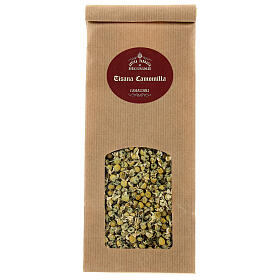
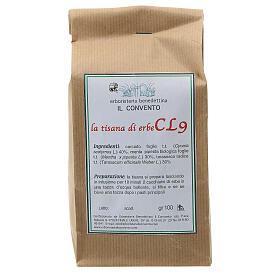
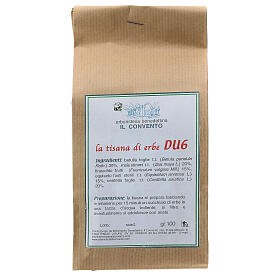
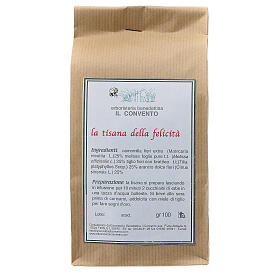
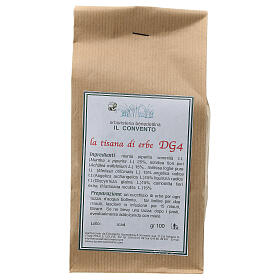
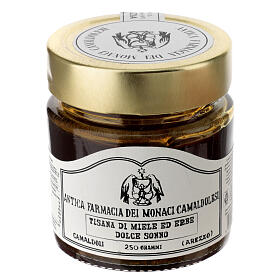
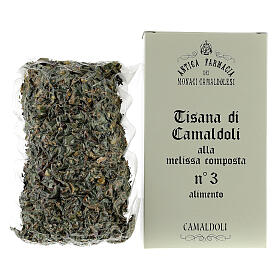
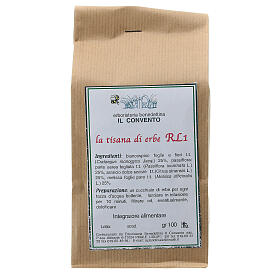
Frequently asked questions about Infusions and herbal teas
Answers to the most common questions from our readers. Tap a question to read the answer.
The most common monastic herbal teas are digestive (fennel, anise, mint, lemon balm), relaxing (chamomile, lime blossom, passionflower, valerian), cleansing (artichoke, dandelion, birch) and balsamic (eucalyptus, thyme, sage). Herbs are often grown in the abbey's gardens and hand-picked.
For maximum active compounds, use water just below boiling (90–95 °C) and steep covered for 5–10 minutes to keep the essential oils. Roots and barks need a decoction (8–10 minutes simmering). Strain and drink between meals.
Monastic sleep blends typically combine chamomile, lemon balm, lime blossom, passionflower, hawthorn and sometimes valerian. A warm cup 30–45 minutes before bedtime helps you relax. Avoid caffeine and screens meanwhile, and check with your doctor if you take sedative medication.
Loose-leaf tea preserves essential oils better and lets you see the quality of the cut (whole leaves, recognizable buds and flowers). Bags are more convenient but often contain dust or over-ground herbs. For daily use, switching between both is fine.