All Products
Elixirs, amari and herbal liqueurs: a guide to choosing
Monastic herbal liqueurs were born from a specific function: they were pharmaceutical preparations. Monasteries were centres of care, cultivated the physic garden and distilled alcoholic infusions because alcohol is an excellent solvent for plant actives and preserves them. The secret recipe with sixty or a hundred herbs, which today reads as advertising copy, was originally the result of centuries of notes on how well each plant worked.
It helps to distinguish three families that often end up mixed on the same shelf. Amari are dominated by bittering roots and barks — gentian, cinchona, rhubarb, wormwood — sit at medium strength between 20 and 35%, and are drunk after a meal for their effect on digestion. Elixirs are stronger and sweeter, built on complex bouquets of aromatic herbs, and hold up away from the table too. Rosoli and sweet liqueurs start from a single dominant ingredient — hazelnut, citrus, anise, honey — and are easier to approach for anyone who dislikes bitterness.
Strength is the first figure to check, because it determines use more than flavour does. Below 25% you have a digestif to serve chilled, even after a heavy meal. Between 25 and 40% you are in classic elixir territory, served at room temperature in small glasses. Above 40% these are spirits and concentrated preparations, often meant to be diluted or used in tiny quantities, sometimes in cooking or over a dessert.
One warning no product listing will give you: many of these liqueurs are described as «tonic», «fortifying» or «restorative», which are inherited from nineteenth-century pharmaceutical language and are not verified health claims. A herbal amaro cures nothing. Some herbs found in these recipes — wormwood, cinchona, liquorice in meaningful doses — can interact with medication or be inadvisable during pregnancy and with high blood pressure. If you take long-term medication, that question belongs to your doctor and not to the producer.
On serving, the general rule is that cold anaesthetises complexity. Root-based amari improve slightly when cool, around 12-15 °C, while broad-bouquet elixirs should be served at room temperature because cold closes the aromatics down. Once opened, the bottle keeps well thanks to the alcohol, but low-strength liqueurs high in sugar or dairy should be refrigerated and finished within a few months. Always store upright and away from light: residual chlorophyll in green liqueurs oxidises quickly and the colour turns brown.
45 products found
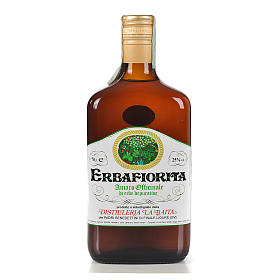
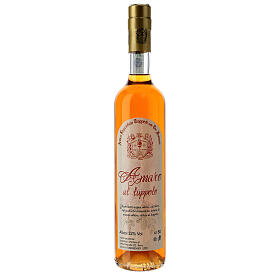
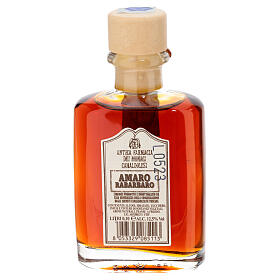
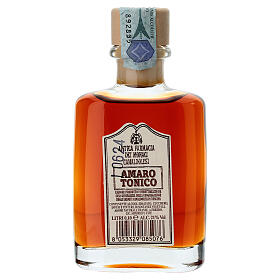
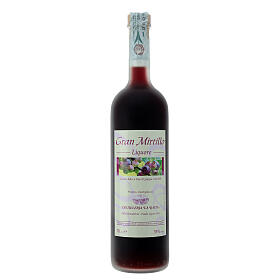
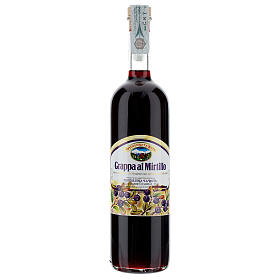
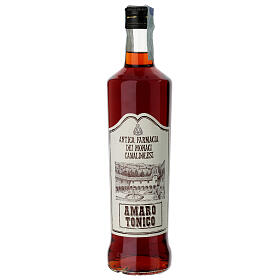
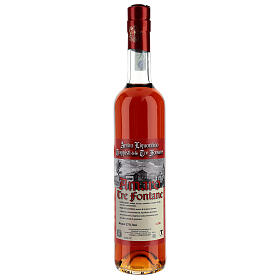
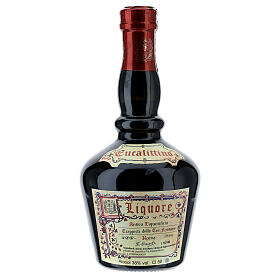
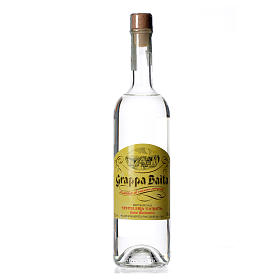
Frequently asked questions about liqueurs-brandy-digestifs
Answers to the most common questions from our readers. Tap a question to read the answer.
The best-known monastic liqueurs include Chartreuse (French Carthusians), Bénédictine D.O.M., Frà Bernardo Elixir, Amaro San Simone, Centerbe and a wide range of rosolios, nocinos and ratafià produced by Trappist and Cistercian abbeys in Italy, France and Belgium.
Herbal digestifs (amari, elixirs, Chartreuse) are best served chilled at around 8–10 °C in small liqueur glasses. Grappa and brandy should be enjoyed at 13–15 °C in tulip glasses to release their aromatics. Avoid high room temperature: it dulls the herbal and balsamic notes.
Monastic recipes include carminative herbs such as anise, fennel, mint, lemon balm, gentian and angelica, traditionally linked to digestive well-being. They remain alcoholic drinks, however, and should be consumed in moderation, after meals, and never as a substitute for medical treatment.
Always keep bottles upright (never lying down like wine), in a cool, dark place away from heat sources. Once opened, high-proof grappas and liqueurs keep for years; herbal infusions may slightly change color over time without affecting taste.