All Products
Extra virgin olive oil and monastic condiments: a practical guide
Olive growing is perhaps the most continuous monastic agricultural activity in the Mediterranean basin, for a reason at once practical and liturgical: oil served for food, for lighting and for the holy oils. Many monasteries still tend olive groves that have been worked for centuries, and the reduced scale allows harvesting and milling within a short window, which is the factor that most affects final quality.
Commercial classification is the first filter. Extra virgin is obtained exclusively by mechanical means and must have free acidity no higher than 0.8 grams per 100 grams, as well as being free of sensory defects when assessed by a tasting panel. Virgin olive oil allows up to 2% and tolerates slight defects. The generic wording «olive oil» indicates a blend containing refined oil, obtained through chemical or thermal processes from oils not edible as they are. These are three different products, and only the first retains its polyphenols intact.
Two pieces of information on the label are worth more than the poetic description on the front. The first is origin: «European Union» or «blend of olive oils» indicates multiple provenance, while a single origin or a PDO/PGI identifies a specific territory. The second is the harvest year, often not mandatory but indicated by careful producers: oil does not improve with age, and an extra virgin is at its best within twelve to eighteen months of milling. The printed best-before date does not tell you when it was produced, only by when it should be sold.
Bitterness and pungency, which many perceive as faults, are in fact the markers of polyphenols, the antioxidant compounds of the olive. A fresh, rich extra virgin catches at the back of the throat: that sensation is due mainly to oleocanthal. An oil that is entirely round and without edges is more likely old or thin than particularly delicate. For raw uses — vegetables, pulses, fish, bruschetta — an oil with character pays off. For cooking, extra virgin holds up well thanks to a smoke point around 180-200 °C, higher than commonly believed, but it makes sense to reserve the best bottles for raw use.
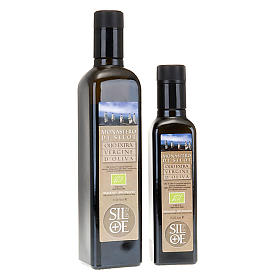
Storage is where most good oil is ruined. The three enemies are light, heat and oxygen. Keep the bottle closed, somewhere cool between 14 and 18 °C, away from the hob and never on the windowsill. Dark glass or tin protects better than clear glass. Avoid very large formats if you use oil slowly: a five-litre tin opened in January and finished in December has been oxidising for months. If the oil develops a smell reminiscent of stale walnuts or cardboard, it has gone rancid and cannot be recovered.
15 products found
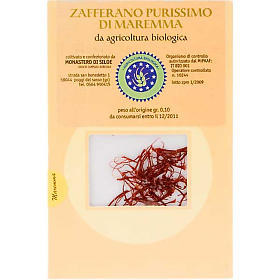
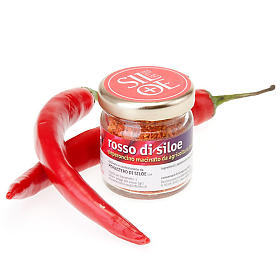
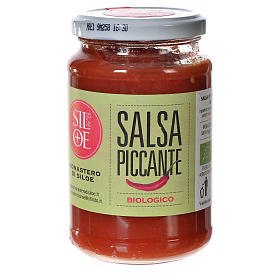
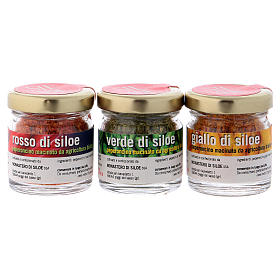
Frequently asked questions about oils and condiments
Answers to the most common questions from our readers. Tap a question to read the answer.
Italian abbeys — especially in Tuscany, Umbria, Lazio and Puglia — produce extra-virgin olive oil from native cultivars (Frantoio, Leccino, Moraiolo, Coratina), cold-extracted within hours of harvest. The oils are low in acidity, often organic and fully traceable from grove to in-house mill.
Look on the label for "cold-extracted" (below 27 °C), the harvest year, 100% Italian or monastic origin and — even better — batch number and acidity. On the palate it should be fruity, slightly bitter and peppery: these are the three positive attributes of a genuine EVOO.
EVOO keeps optimal aromas and properties for about 18 months from bottling, in dark glass, away from light, heat and oxygen. Once opened, use within 2–3 months and reseal it quickly. Oxidized oil loses its fruitiness and turns flat.
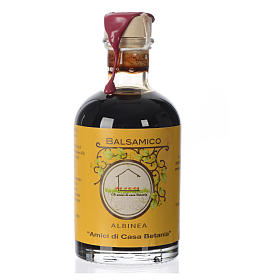
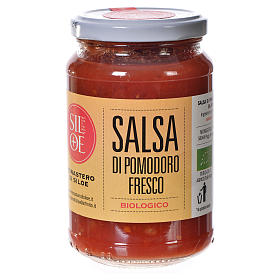
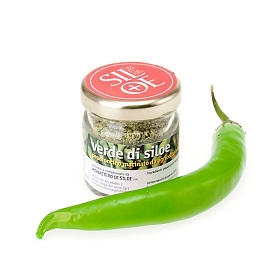
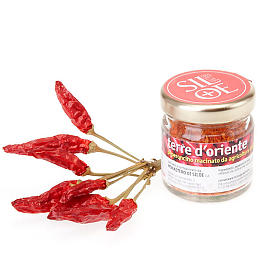
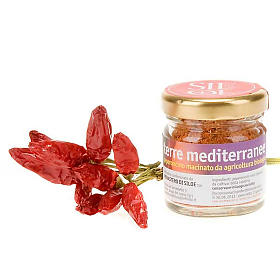
Beyond EVOO, abbeys produce balsamic and wine vinegars, herbal salt (rosemary, sage, thyme, bay grown on-site), flavored oils with chili, truffle or citrus, pestos, truffle sauces and olive creams. Excellent for raw seasoning and traceable food gifts.