All Products
Natural remedies in the monastic tradition: what to expect
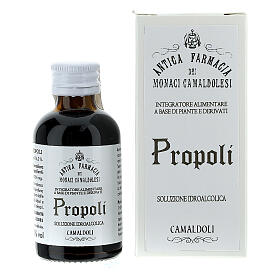
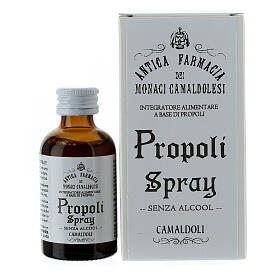
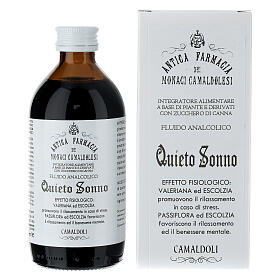
This is the category where precision matters most, because traditional language and regulatory language say different things. From a legal standpoint the products here are food supplements, medical devices or cosmetics — not medicines. A food supplement is defined by Directive 2002/46/EC as a concentrated source of nutrients or other substances with a physiological effect, intended to supplement the normal diet. It is not intended to treat or prevent disease, and no seller may lawfully claim that it does.
The monastic herbal tradition is real and produced knowledge that modern pharmacology has partly confirmed: salicylic acid derives from willow bark, digitalis from Digitalis purpurea, morphine from the poppy. But that very continuity should suggest caution rather than automatic trust. A plant with an effect strong enough to be used as a remedy has, by definition, an effect strong enough to interfere with something else. «Natural» is not a synonym for «free of risk»: it means only that the origin is botanical.
Interactions are the concrete and most underestimated risk. St John's wort, used for mood, induces liver enzymes and reduces the effectiveness of anticoagulants, immunosuppressants, antiretrovirals and oral contraceptives. Ginkgo and concentrated garlic increase bleeding risk in those taking anticoagulants. Liquorice raises blood pressure and interferes with diuretics. Ginseng and rhodiola can interact with antidepressants. If you are on long-term therapy, the ingredient list should go to your doctor or pharmacist before purchase, not after.
On how to read these products, the criterion is transparency of quantification. A serious supplement states the amount of extract per daily dose and the titration of active principle, for example «dry valerian extract 300 mg, standardised to 0.8% valerenic acids». A formulation listing twelve herbs without indicating how much of each is present does not let you know whether the doses are effective or symbolic. Be wary too of products promising rapid, generic results across very different targets: that is the typical profile of unsubstantiated claims.
Finally, the warning that matters most: these products replace neither a diagnosis nor a prescribed therapy. Symptoms that persist, worsen or appear suddenly should be assessed by a doctor. In pregnancy, while breastfeeding, in childhood and in the presence of liver or kidney disease the threshold of caution should be raised further. The information on this page is for general knowledge and does not constitute medical advice.
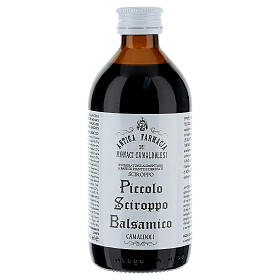
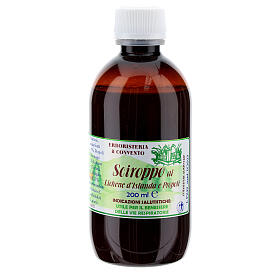
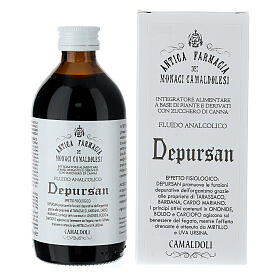
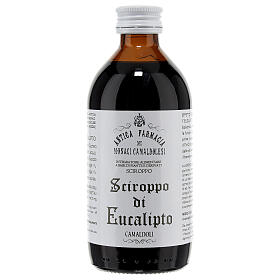
10 products found
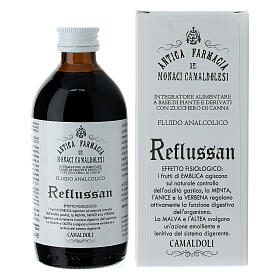
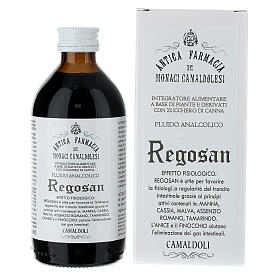
Frequently asked questions about Natural remedies
Answers to the most common questions from our readers. Tap a question to read the answer.
They are traditional herbal preparations — mother tinctures, syrups, ointments, balms, oleolites, plant-based capsules — formulated in monastic workshops following recipes often centuries old. Many monasteries are listed as official herbal labs and operate in compliance with European regulations on natural products.
No. Natural remedies are complementary, not substitutive: they can support everyday well-being (sleep, digestion, respiratory tract) but should never replace prescribed therapies. In case of chronic disease, pregnancy, breastfeeding or current medication, always consult your doctor first.
Start from the specific complaint (insomnia, slow digestion, cold) and pick the right format: herbal tea for daily use, mother tincture for faster effect, ointment for topical use. Always read the product leaflet, respect doses and duration — if you see no improvement within 1–2 weeks, see a professional.
Yes — plants contain active compounds and can interact with drugs (e.g. St. John's wort with antidepressants, ginkgo with anticoagulants). People with allergies, pregnant or breastfeeding women and children should use them with caution. Warnings are printed on the label; when in doubt, ask your doctor or herbalist.