All Products
Monastic wines: what sets them apart from a commercial estate
European monastic viticulture is not a marketing story invented after the fact: it is the reason many of the vineyards we now consider classic exist at all. It was the Cistercians who, between the twelfth and thirteenth centuries, systematically mapped the soils of Burgundy plot by plot, observing across generations which patches of ground produced better fruit. The very concept of the cru grows out of that patient work. When you buy an abbey wine you are buying the product of an agronomic tradition, not a religious souvenir.
The concrete difference from a commercial winery lies in scale and objectives. Monastic communities work small surfaces, often just a few hectares, with no shareholders to pay and no volumes to defend on the market. That translates into limited production, vintages that can vary appreciably, and less standardisation. If you want a wine identical to itself every year, this is not the category. If you want the vintage to show, it is.
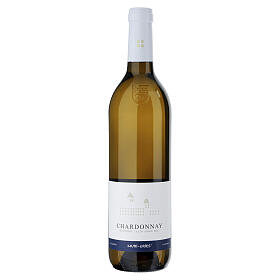
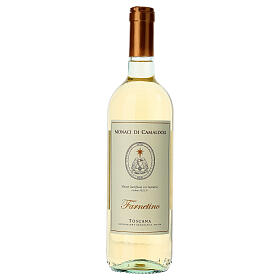
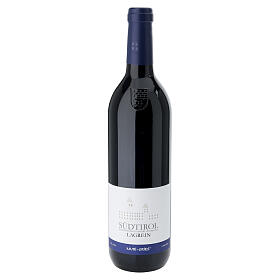
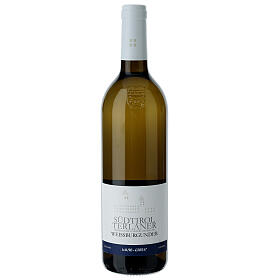
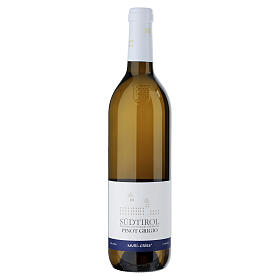
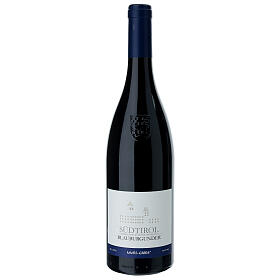
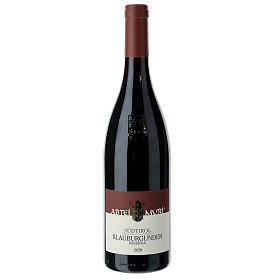
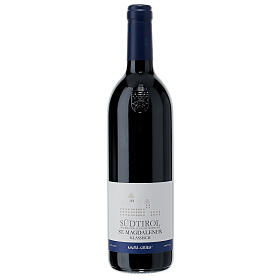
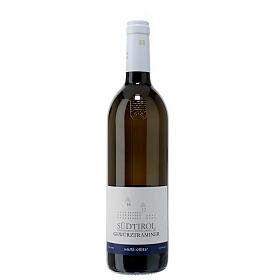
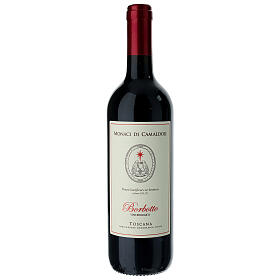
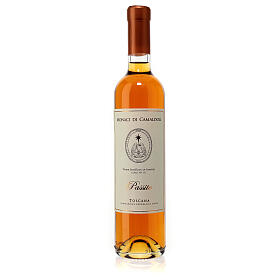
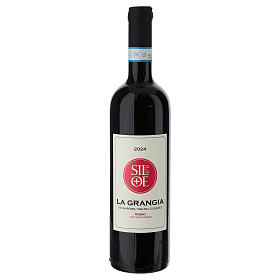
On choosing, the most useful criterion is to start from the food pairing rather than the name of the abbey. Monastic whites tend to have good acidity and moderate body: they work with fresh cheeses, vegetables and simply prepared fish. The reds cover a wider range, from light, easy-drinking profiles through to structured wines for red meat and aged cheeses — often, not coincidentally, the very cheeses the monastery produces. Always check the alcohol and the vintage on the label: this category contains both wines to drink now and wines that ask for a few years.
One clarification that prevents disappointment: «abbey wine» is not a protected designation the way «Authentic Trappist Product» is for beers and cheeses. No body certifies that the wine was made by a religious community. Some labels indicate a monastery that genuinely grows and vinifies; others are commercial wines using a historical or purely evocative monastic reference. The distinction implies no judgement of quality — there are excellent wines in the second group — but it is worth knowing what you are buying. The bottler's details on the back label are the place to look.
Storage follows the ordinary rules, which matter more here because production is small and hard to replace: bottle lying down if it has a cork, stable temperature between 12 and 16 °C, away from light and vibration. Whites should be served between 8 and 12 °C, reds between 16 and 18 °C — cooler than what most households treat as «room temperature».
18 products found
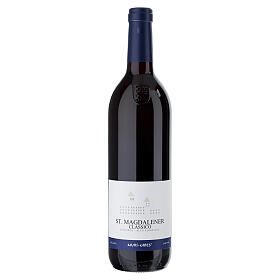
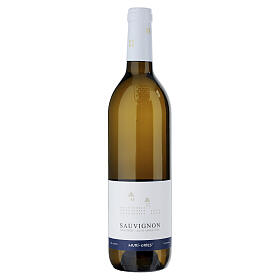
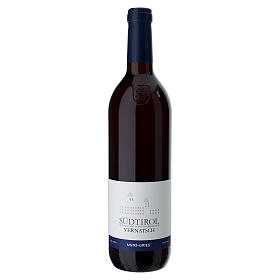
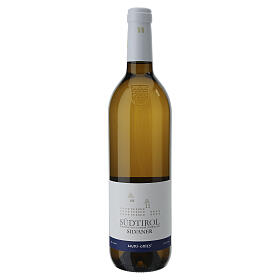
Frequently asked questions about White and red wines
Answers to the most common questions from our readers. Tap a question to read the answer.
Yes: many Trappist, Cistercian and Benedictine abbeys in Italy, France, Germany and Austria still produce their own wine from monastic vineyards. The monastic winemaking tradition dates back to the Middle Ages, when the monks selected many of the cultivars still grown today. Many are organic or biodynamic.
Whites and rosés: 8–12 °C. Light, young reds: 14–16 °C. Structured reds: 16–18 °C. Meditation and dessert wines: 6–10 °C. Too cold flattens aromas; too warm enhances alcohol. A bottle thermometer helps calibrate.
Young whites should be drunk within 2–3 years of vintage. Medium reds 3–5 years, while structured reds and meditation wines can improve for 8–15 years in the cellar — lying horizontally, at 12–14 °C, 70% humidity, in the dark and free of vibration.
Many monastic vineyards follow organic or biodynamic practices, though not all carry formal certification. Vineyard management is usually low-impact: no chemical herbicides, manual work and native yeasts at fermentation. Always check the official organic logo on the label.