Trappist or Abbey Beer? The Difference Almost No One Knows
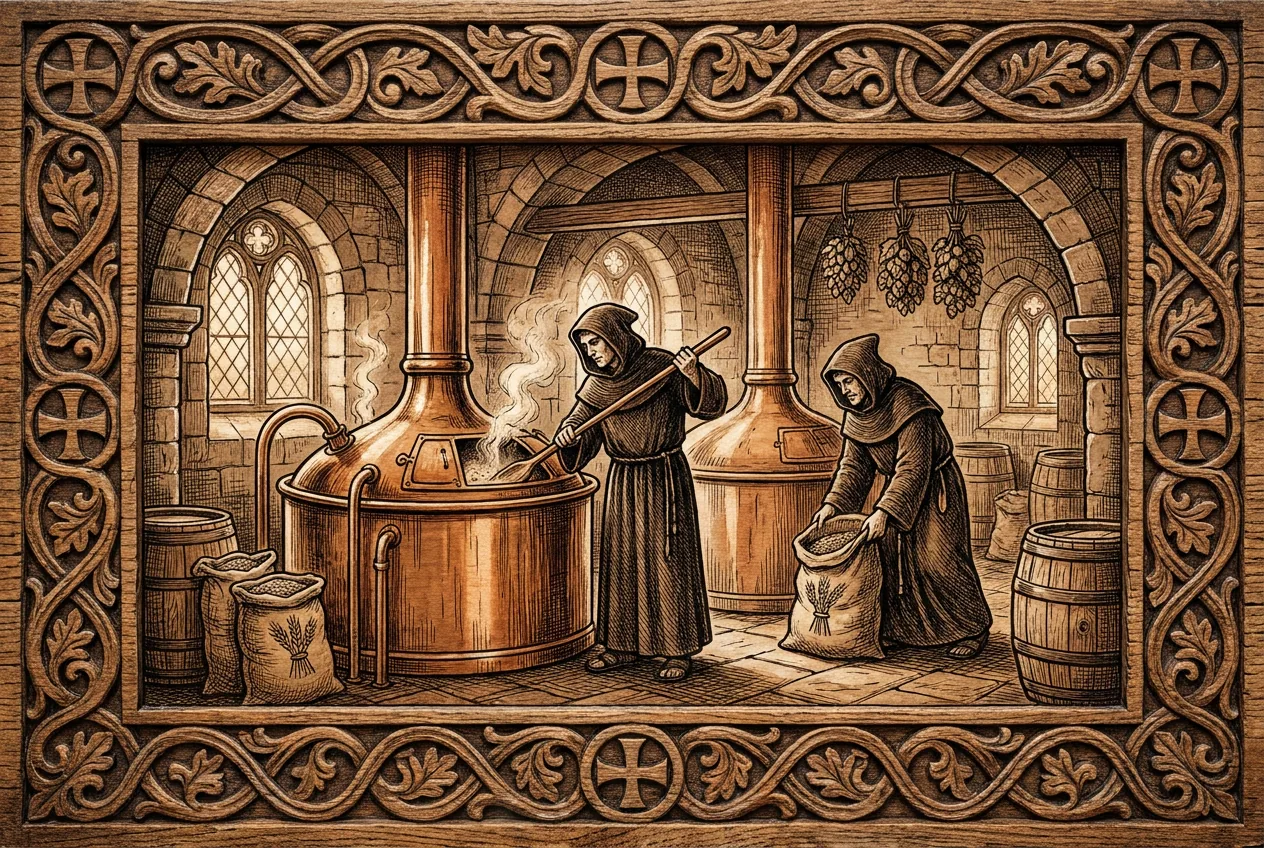
"Trappist" and "abbey" are used almost interchangeably, but they refer to two very different things. One signifies a rigorously controlled origin, the other is a commercial style. Understanding the difference helps you know what you're truly buying — and why certain bottles cost and are worth more than others.
What Makes a Beer Truly "Trappist"
The term Trappist doesn't describe a taste or a style, but an origin. To bear the hexagonal "Authentic Trappist Product" logo, a beer must meet three non-negotiable conditions set by the International Trappist Association: it must be brewed within the walls of a Trappist monastery, under the supervision and responsibility of the monastic community, and the proceeds must be used for the sustenance of the monastery and for charitable works, not for profit.
It's a strict requirement, and indeed, only a handful of breweries in the world can use that logo. It's not a marketing ploy: it's a system of guarantees that protects both consumers and monastic communities from imitations.
Recognized Authentic Trappist Beers
There are currently twelve officially recognized Trappist breweries: Achel, Chimay, Engelszell, La Trappe, Mont des Cats, Orval, Rochefort, Spencer, Tre Fontane, Westmalle, Westvleteren, and Zundert. Some are located in Belgium, others in the Netherlands, Austria, Italy, and the United States.
Among these, some names stand out as almost legendary: Westvleteren 12, often cited among the best beers in the world and sold only by reservation at the abbey; Orval, with its unmistakable Brettanomyces yeast; Rochefort 10, a dark and complex Quadrupel. Tre Fontane, brewed at the Abbazia delle Tre Fontane in Rome, is the only Italian Trappist beer and flavors its beer with eucalyptus cultivated by the monks.
So What is Abbey Beer?
Abbey beer (Biere d'Abbaye) is not an origin but a style. These are beers inspired by monastic tradition — often robust, fruity, top-fermented — but produced by commercial breweries. In some cases, the brewery pays a license to an existing abbey and uses its name; in others, the monastic reference is purely evocative.
This doesn't mean they are inferior quality beers: many abbey beers are excellent. It just means there's no guarantee they are produced in a monastery or under the control of monks. The logo to look for, if you want certainty of origin, remains the hexagonal "Authentic Trappist Product."
How to Choose (and Store) Your Trappist Beer
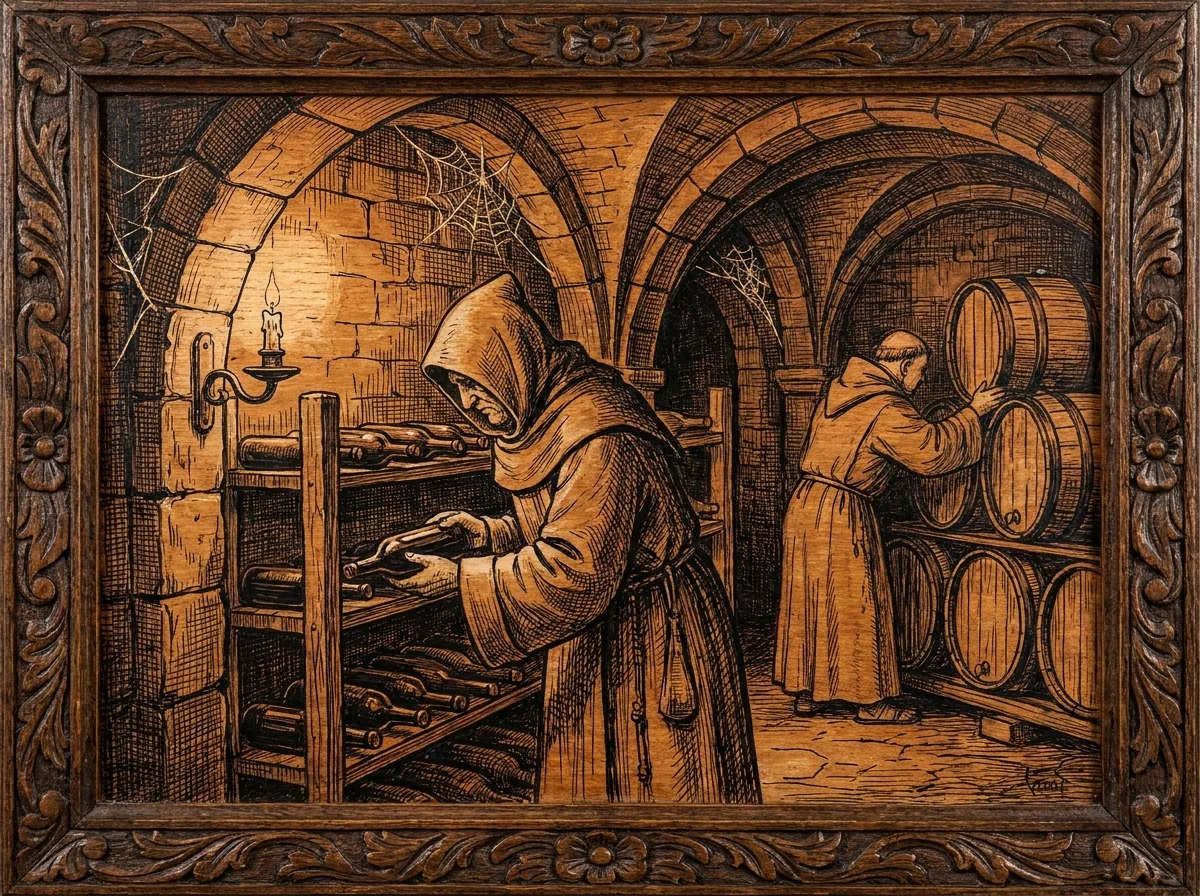
If you're looking for an authentic experience, always check the logo on the label and prioritize reliable retailers. Dark, high-alcohol Trappist beers, like Quadrupels, can not only be enjoyed fresh but also improve with age: thanks to bottle re-fermentation and live yeasts, they evolve for years.
To store them best, keep them upright, in the dark, at a temperature of 10–14 °C (50–57 °F), away from vibrations and temperature fluctuations. Serve them in a large chalice, without pouring the yeast sediment if you prefer a cleaner profile.
Explore related products
Products mentioned in this article
- Tynt Meadow English Trappist Dark Beer 33 clfrom €5.08trappist-beers-and-abbey
- Trappist Beer Zundert 10 brown 33 clfrom €4.91trappist-beers-and-monastery
- Zundert 8 Amber High Fermentation Beer 33 clfrom €4.13trappist-and-abbey-beers
- Tynt Meadow Beer Goblet 33 clfrom €6.90trappist-beers-and-monastery
- Engelszell Trappist Beer Austrian 0.25 lfrom €5.90trappist-beers-and-monastery
Frequently asked questions
Currently, there are twelve breweries that can use the Authentic Trappist Product logo: Achel, Chimay, Engelszell, La Trappe, Mont des Cats, Orval, Rochefort, Spencer, Tre Fontane, Westmalle, Westvleteren, and Zundert.
Trappist beer is produced within a Trappist monastery, under the control of the monks, with non-profit proceeds. Abbey beer is a style produced by commercial breweries, often under license from an abbey, without the obligation of direct monastic origin.
Yes: Tre Fontane, produced at the Abbazia delle Tre Fontane in Rome, is the only Italian Trappist beer and is flavored with eucalyptus cultivated by the monks.
Dark, high-alcohol Trappist beers (like Quadrupels) evolve for years thanks to bottle re-fermentation. They should be stored upright, in the dark, at 10–14 °C (50–57 °F).