How to Store Trappist Beer: Temperature, Light, and Cellaring for Aging
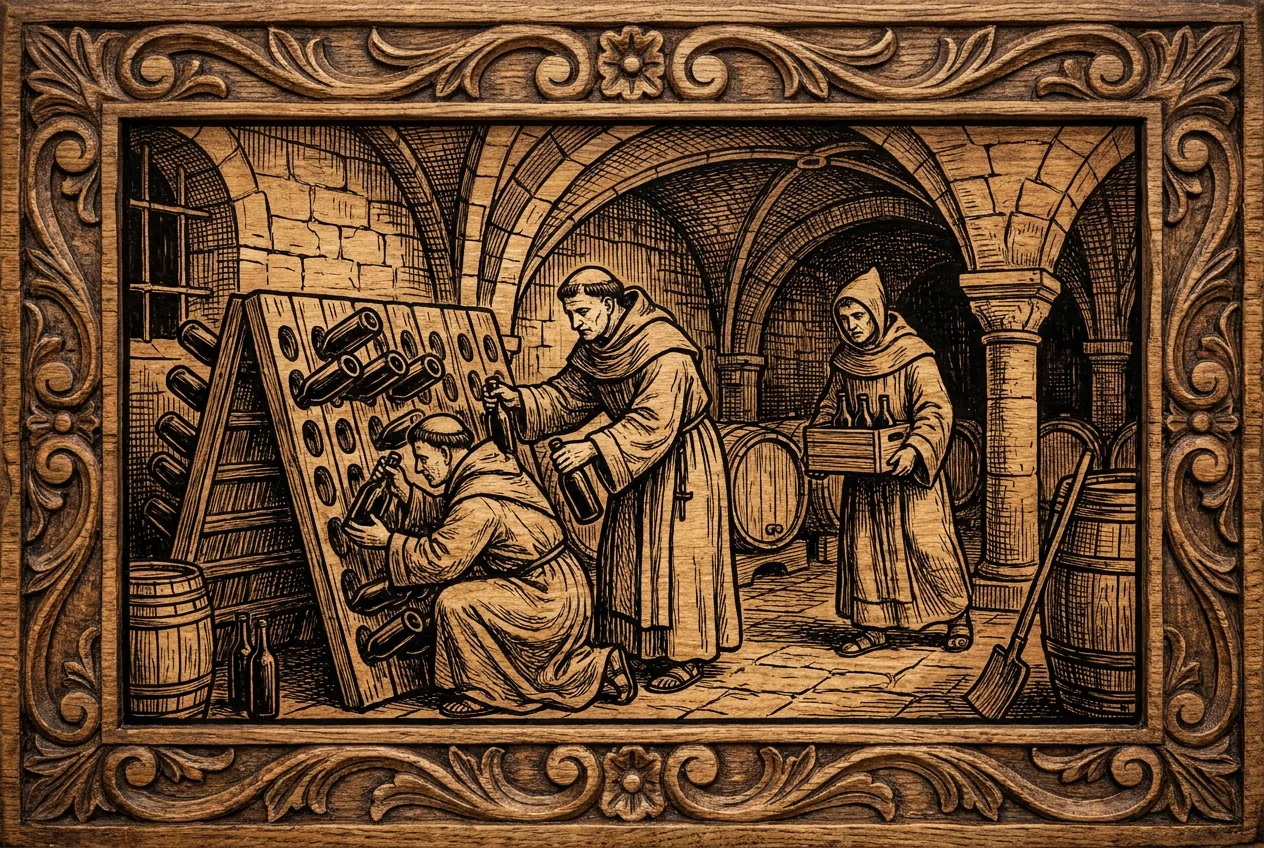
A bottle-conditioned Trappist beer is a living thing: the yeast continues to work for years. Storing it well means allowing it to grow rather than spoiling it. Here are the simple rules the monks apply in their cellars, which you can also adopt at home.
Why Trappist Beer Is Stored Differently
Many Trappist beers are bottle-conditioned: a layer of yeast and sugar creates natural carbonation and, over time, new aromas. Unlike a pasteurized industrial lager, the beer continues to evolve after bottling.
This vitality is an asset, but also a fragility. Heat, light, and temperature fluctuations accelerate undesirable reactions and can transform an elegant bouquet into notes of wet cardboard or cooked aroma.
Temperature, Light, and Position: The Three Golden Rules
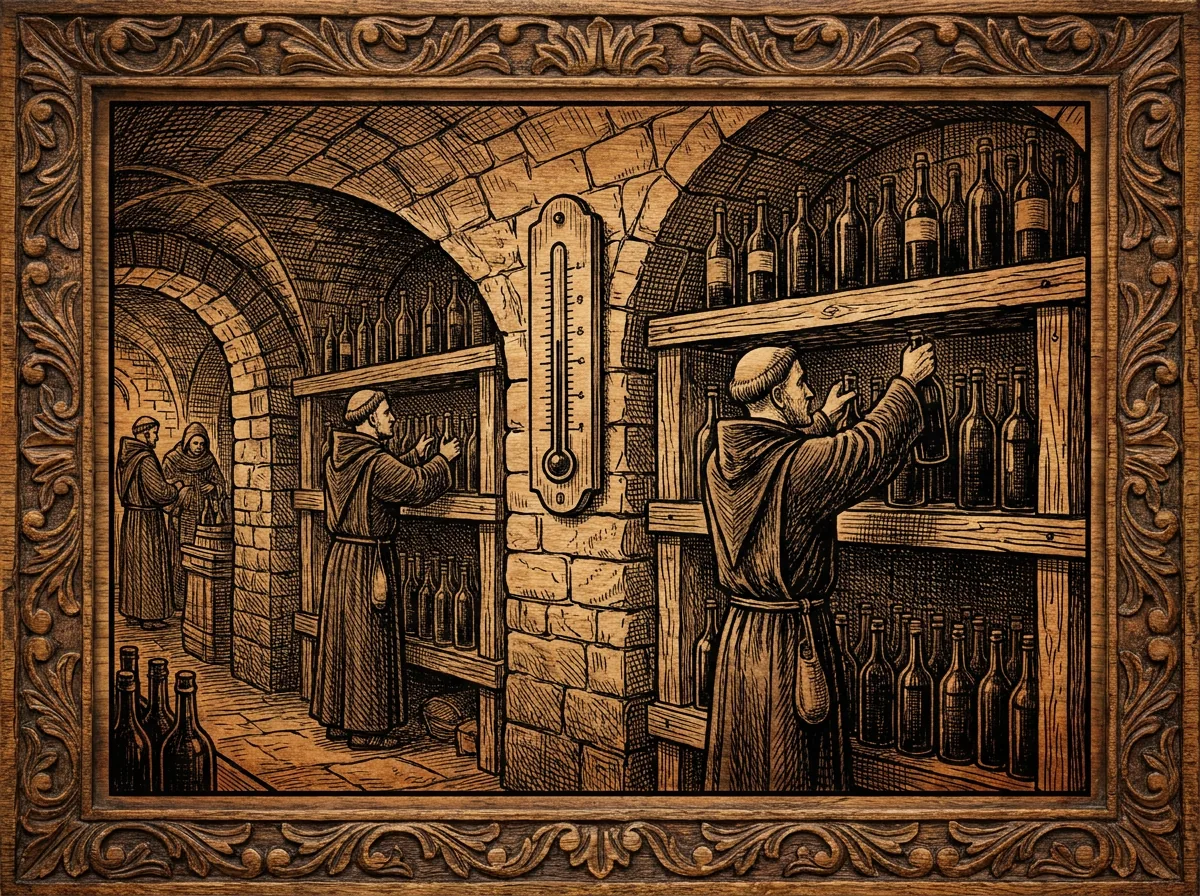
The ideal cellar temperature is cool and stable, between 10 and 14 degrees Celsius (50-57°F), without sudden fluctuations. A domestic refrigerator is suitable for the days before consumption, but for months or years, a dark environment, like an internal pantry or cellar, is better.
Light, especially direct sunlight or fluorescent light, alters the hops and generates a typical 'skunky' smell. Dark bottles help, but aren't enough: keep them in the dark. As for position, upright is better, because the yeast sediment remains at the bottom and the surface area in contact with air is minimal.
Which Beers to Age and for How Long
Not all beers improve with age. Strong, dark Trappist beers, such as quadrupels and strong dark ales, with high alcohol content and a lot of body, can mature for years, developing notes of dried fruit, raisins, and caramel. Lighter and paler beers, however, should be drunk young, while the hops are still vibrant.
A method beloved by enthusiasts is the vertical tasting: buying multiple bottles of the same beer and opening one each year, noting the differences. It's a fascinating way to understand how time sculpts a beer's character, and to choose the perfect moment for the remaining bottles.
From Fridge to Glass: Serving at the Right Time
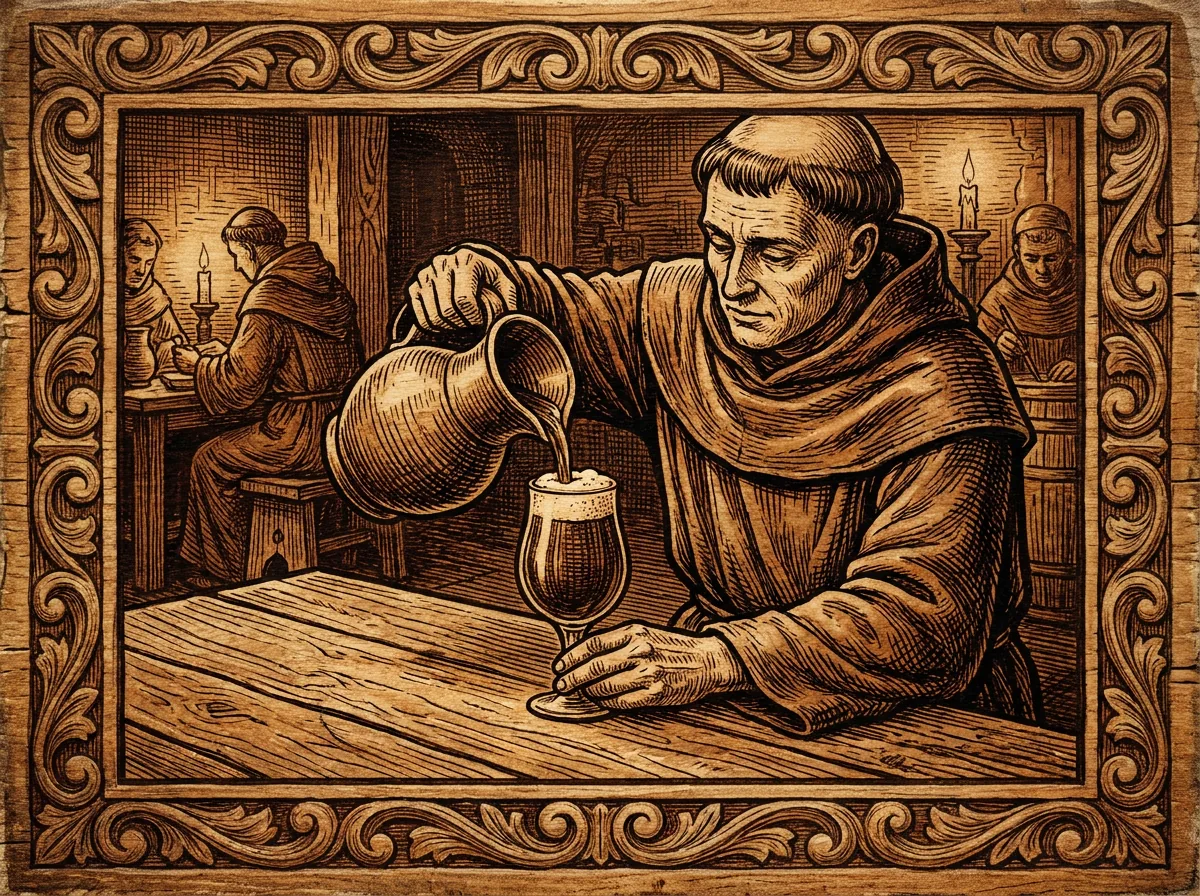
Before serving, bring the bottle to the correct temperature: dark Trappist beers are best between 11 and 14 degrees Celsius (52-57°F), lighter ones between 6 and 8 degrees Celsius (43-46°F). A beer that's too cold hides its aromas, one that's too warm appears heavy and alcoholic.
Pour slowly into a tulip glass, leaving the last few centimeters with the yeast in the bottle, unless the beer type specifically calls for including it. This will give you a clear beer, with a creamy head and a clean aromatic profile.
Explore related products
Products mentioned in this article
- Trappist Beer Zundert 10 brown 33 clfrom €4.91trappist-beers-and-monastery
- Zundert 8 Amber High Fermentation Beer 33 clfrom €4.13trappist-and-abbey-beers
- Tynt Meadow Beer Goblet 33 clfrom €6.90trappist-beers-and-monastery
- Engelszell Trappist Beer Austrian 0.25 lfrom €5.90trappist-beers-and-monastery
- Trappist Beer Monaci delle Tre Fontane Tertia 33clfrom €4.49Trappist and abbey beers
Frequently asked questions
Upright is better: the yeast settles at the bottom, and the beer remains clearer. The crown cap doesn't need to stay moist like a wine cork.
Between 10 and 14 degrees Celsius (50-57°F), in the dark and without fluctuations. For short periods, a refrigerator is fine, but avoid keeping it for years at excessively low temperatures.
Mainly strong, dark ones with high alcohol content and a lot of body. Lighter, hoppy beers should be consumed fresh.
Typical signs include a wet cardboard smell, a vinegary aroma, absent foam, and a flat taste. If the bottle has been exposed to light or heat, be wary.