Elixirs, Bitters, and Liqueurs from Monasteries: A Guide to Abbey Digestifs
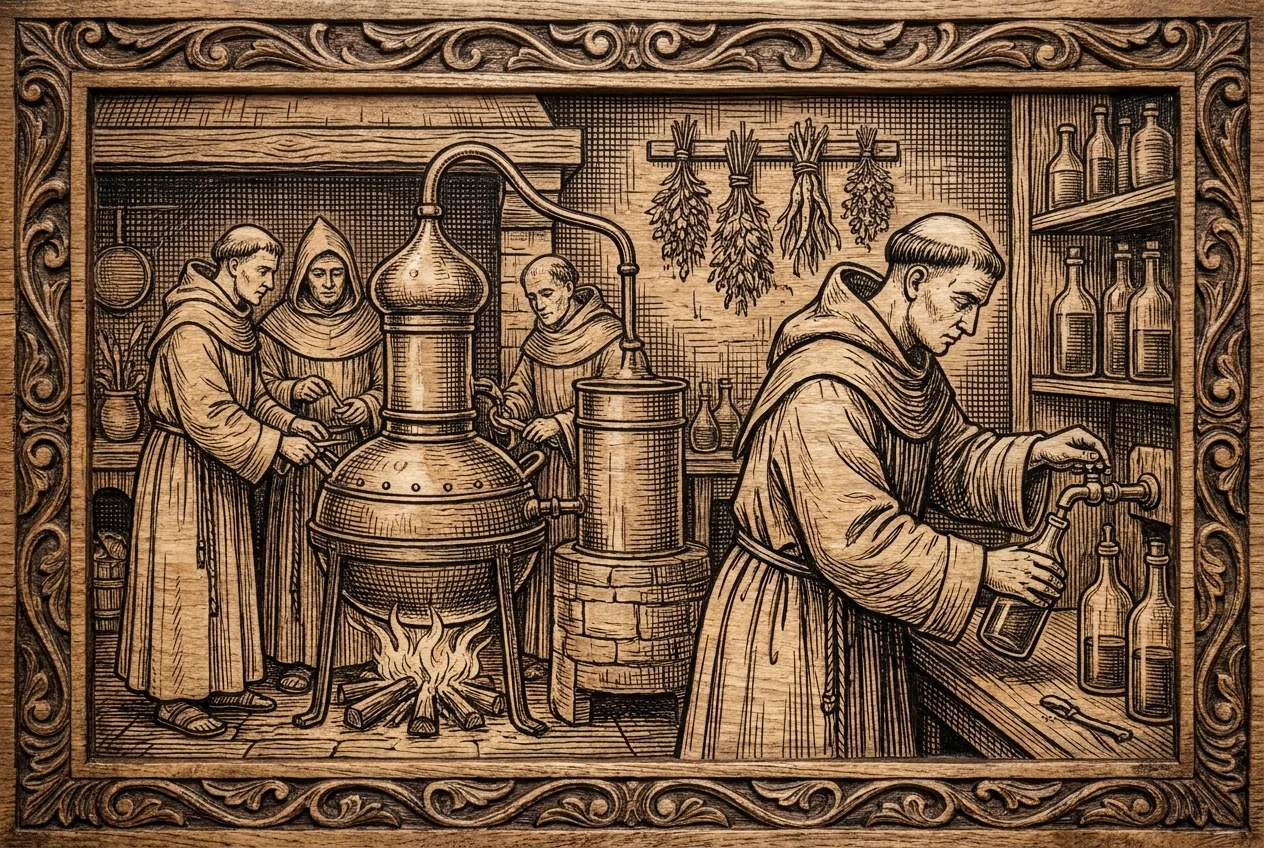
Behind every abbey liqueur lies a long history of herbs, roots, and patience. For centuries, monks have been masters in the art of extracting the essence of plants and transforming it into elixirs, bitters, and ratafias. Understanding their origins and differences helps in choosing the right bottle — and enjoying it properly.
From Herb to Glass: How a Monastic Liqueur is Born
At the heart of every herbal liqueur is an ancient practice: infusion. Aromatic herbs, roots, barks, seeds, and peels are left to macerate in alcohol, which gradually extracts their aromas, colors, and active principles. From this base, monks then create the finished liqueur, often sweetened with sugar or honey and left to rest until the flavors harmonize.
Some recipes involve distillation in a still, others simple cold maceration; many combine dozens of different botanicals in secret proportions passed down from generation to generation. It is precisely this studied balance — not the quantity of ingredients — that distinguishes a great abbey liqueur from a simple flavored alcoholic beverage.
Elixirs, Bitters, and Ratafias: How to Navigate
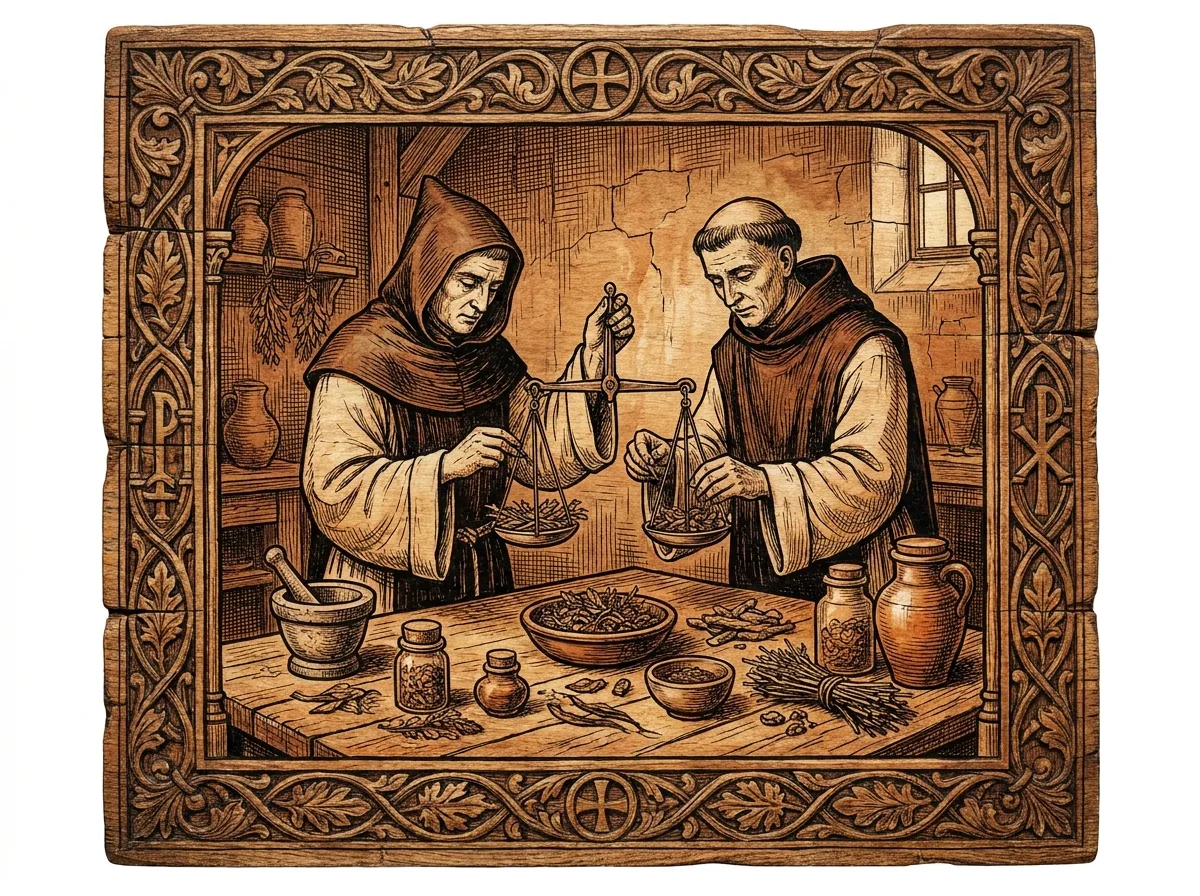
The elixir is traditionally the most "noble" liqueur: often born as a remedy, it combines many herbs in a complex and concentrated formula. Bitters, as the name suggests, focus on the bitter notes of roots like gentian, cinchona, and rhubarb, balanced by aromatic herbs and a hint of sweetness. They are the quintessential digestifs of Italian tradition.
Ratafia belongs to a different family: it is a liqueur obtained by infusing fruit — often sour cherries or cherries — in alcohol or wine, sweeter and more drinkable. Alongside these coexist nocinos, alpine herbal liqueurs, and the many local recipes that each monastery has preserved and reinterpreted over time.
Bitter or Digestif? They Are Not the Same Thing
The two terms are often used interchangeably, but they are not synonymous. "Bitter" indicates a specific category of liqueur, characterized by the bitter taste of roots and herbs. "Digestif," on the other hand, indicates a function: any beverage sipped at the end of a meal to aid digestion, whether it's a bitter, an herbal elixir, or a grappa.
Almost all bitters are excellent digestifs, but not all digestifs are bitters: a sweet and delicate herbal liqueur can perfectly serve the same role. The choice depends on taste and the meal: after a substantial and structured dinner, a robust bitter is often more effective, while a softer elixir elegantly concludes a light meal.
How and When to Enjoy an Abbey Liqueur

The classic moment is after a meal, served in small tulip-shaped glasses that concentrate the aromas. Temperature matters: bitters and herbal elixirs are best enjoyed at room temperature or slightly chilled, while cooling them too much dulls their aromas. Pour sparingly: these are concentrated liqueurs, to be savored in small sips.
Beyond the glass, monastic liqueurs also lend themselves to cooking — a few drops on a dessert, in a fruit salad, or to flavor a cream. But it is in the slow ritual of after-dinner that they truly shine: a small moment of pause, consistent with the patient spirit from which they originate.
Explore related products
Products mentioned in this article
- Laurus 48 di Camaldoli 700 mlfrom €22.79liqueurs-grappas-digestifs
- Nocino di Camaldoli 700 mlfrom €22.79liqueurs-brandy-digestifs
- Camaldoli Miniature Liqueurs 40 mlfrom €4.19liqueurs-brandy-digestifs
- Camaldoli Hermit's Elixir 700 mlfrom €17.00liqueurs-brandy-digestifs
- Grappa with honey 700 mlfrom €29.90liqueurs-grappas-digestifs
Frequently asked questions
A bitter focuses on the bitter notes of roots like gentian, cinchona, and rhubarb; an elixir is traditionally more complex and concentrated, often created as a remedy, with many herbs in balance and a greater smoothness.
No. "Bitter" is a category of liqueur with a bitter taste; "digestif" is a function: any beverage sipped at the end of a meal to aid digestion. Many bitters are digestifs, but not all digestifs are bitters.
At the core is infusion: herbs, roots, barks, and peels macerate in alcohol, which extracts their aromas and active principles. The liqueur is then sweetened and left to rest; some recipes also involve distillation in a still.
Bitters and herbal elixirs are best enjoyed at room temperature or slightly chilled. Cooling them too much dulls their aromas. They are served in small glasses, in small quantities, to be savored slowly.