Trappist Beer and Cheese: The Guide to Perfect Pairings
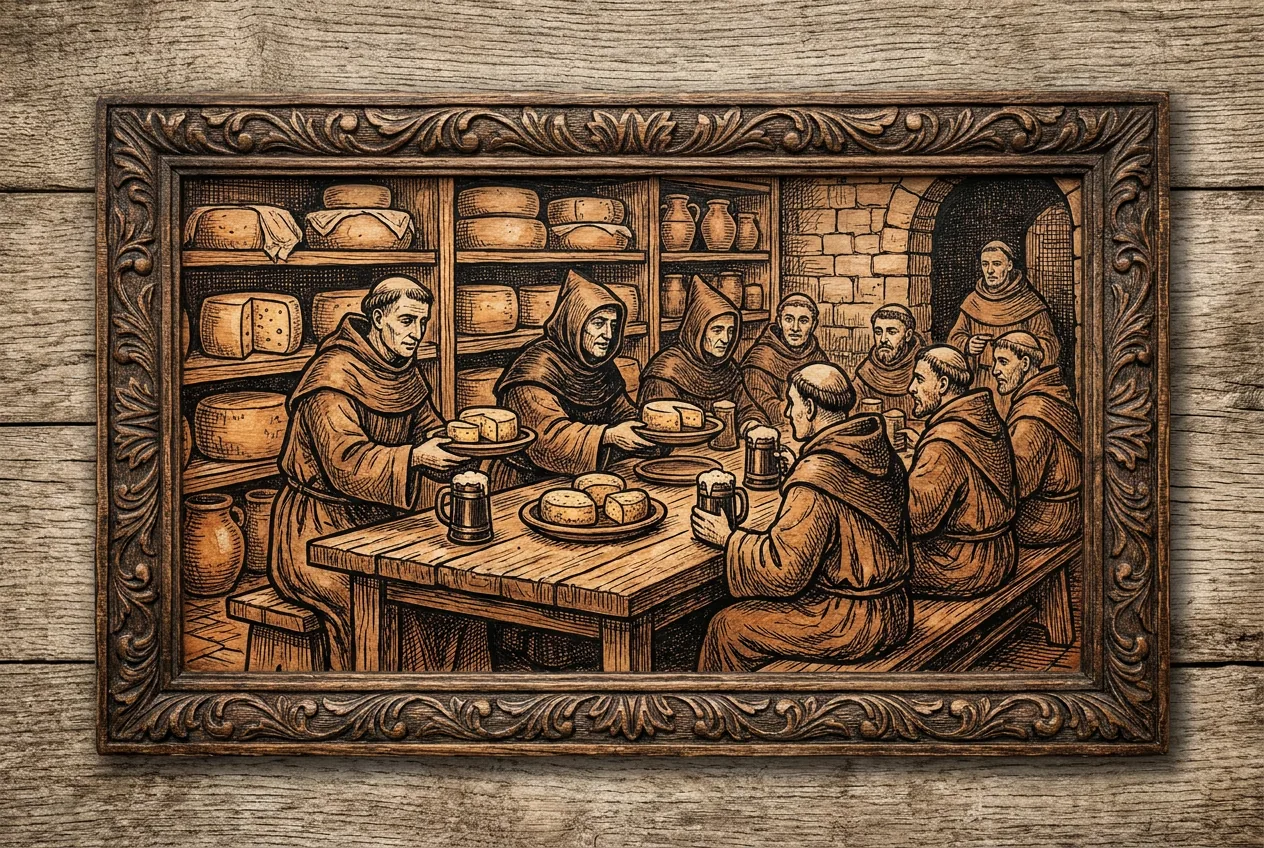
Among European monasteries, beer and cheese have always been close neighbors: one is born in the abbey brewery, the other in its dairy or aging cellar. It's no surprise they get along wonderfully. Just knowing a few principles can transform a simple cheese board into a small refectory ritual.
Why Beer and Cheese Understand Each Other
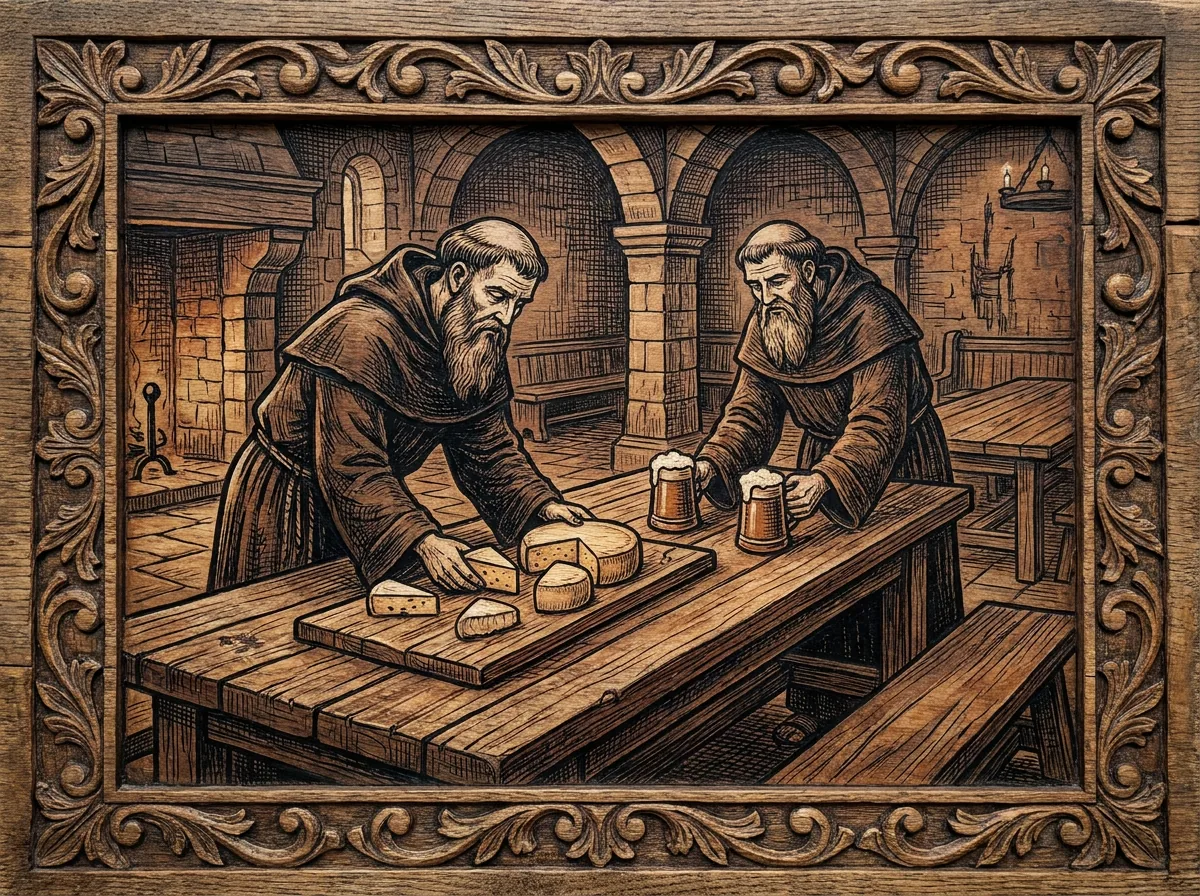
Wine has acidity and tannin, but beer offers something more: the sparkling carbonation cleanses the palate from fat, while malt brings sweetness and hops a slight bitterness that adds zest. Trappist beers, often re-fermented in the bottle, also boast a complexity of ripe fruit, spice, and yeast aromas that beautifully complement the richness of cheese.
The secret lies in balance: neither the beer nor the cheese should overpower the other. A good rule is to match similar intensities, or play on contrast, like the sweetness of a tripel against the savoriness of an aged cheese.
Dubbel, Tripel, and Quadrupel: Three Strengths, Three Cheeses
The dubbel, dark with notes of caramel and dried fruit, is perfect with semi-hard cheeses that have a sweet, nutty flavor: a good pressed abbey cheese or a young Gruyère will enhance its roundness without overwhelming it.
The tripel, clear, spicy, and more alcoholic, stands up to bloomy-rind and soft cheeses like Brie or Camembert, as well as creamy goat cheeses. The quadrupel, intense and vinous, calls for aged, assertive cheeses, such as a mature Pecorino or a sweet blue cheese, to balance its power.
The Monks' Cheese Board: How to Assemble It
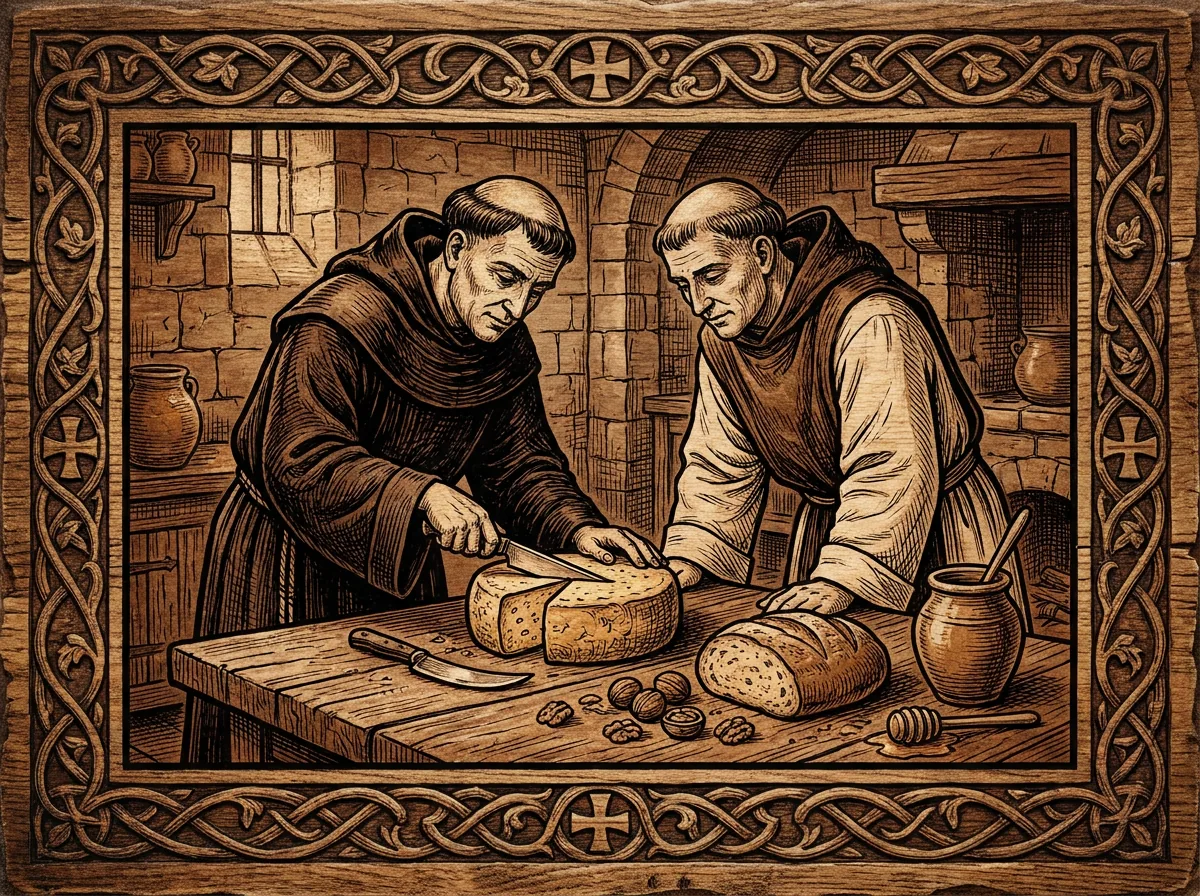
For a balanced cheese board, three or four cheeses are enough, served from the mildest to the most intense: a soft cheese, a semi-hard, an aged, and, if you like to dare, a blue cheese. Take them out of the refrigerator at least half an hour in advance, as cold dulls the aromas.
Accompany with rustic bread, walnuts, and a drizzle of honey or jam: the sweetness acts as a bridge between the beer and the cheese. And remember to serve the beer at cellar temperature, not ice-cold, and in a wide glass that allows its aroma to breathe.
Mistakes to Avoid and Small Daring Pairings
The most common mistake is to layer two very strong flavors: a quadrupel with a pungent blue cheese can become a battle, not a dialogue. Also, be careful with very smoky or very acidic cheeses, which tend to crush the delicate nuances of abbey beers.
Among the daring pairings that work is contrast: a hoppy tripel with a rich, creamy cheese, or a dubbel with an aged Pecorino accompanied by a drop of honey. Taste, take notes, and let your palate guide you: this, after all, is the spirit of those who have worked with patience for centuries.
Explore related products
Products mentioned in this article
- Tynt Meadow English Trappist Dark Beer 33 clfrom €5.08trappist-beers-and-abbey
- Arancia Jam 400 gr Trappiste Vitorchianofrom €8.70jams-and-preserves
- Trappist Beer Zundert 10 brown 33 clfrom €4.91trappist-beers-and-monastery
- Marroni Cream 400 gr Trappiste Vitorchianofrom €9.70jams-and-preserves
- Zundert 8 Amber High Fermentation Beer 33 clfrom €4.13trappist-and-abbey-beers
Frequently asked questions
The tripel is often the most versatile: its freshness, spiciness, and lively carbonation adapt well to soft, creamy, and semi-aged cheeses.
With semi-hard cheeses with a sweet, nutty flavor, such as an abbey cheese or a young Gruyère, which enhance its caramel and dried fruit notes.
Yes, preferably with a quadrupel or a dark, intense beer, choosing a sweet and not too pungent blue cheese, to balance the power without overpowering it.
Approximately between 8 and 12 degrees Celsius, depending on the style: lighter beers a bit cooler, darker and more alcoholic ones slightly warmer, to allow the aromas to emerge.