The Monastic Gift Basket: How to Create One with Abbey Products
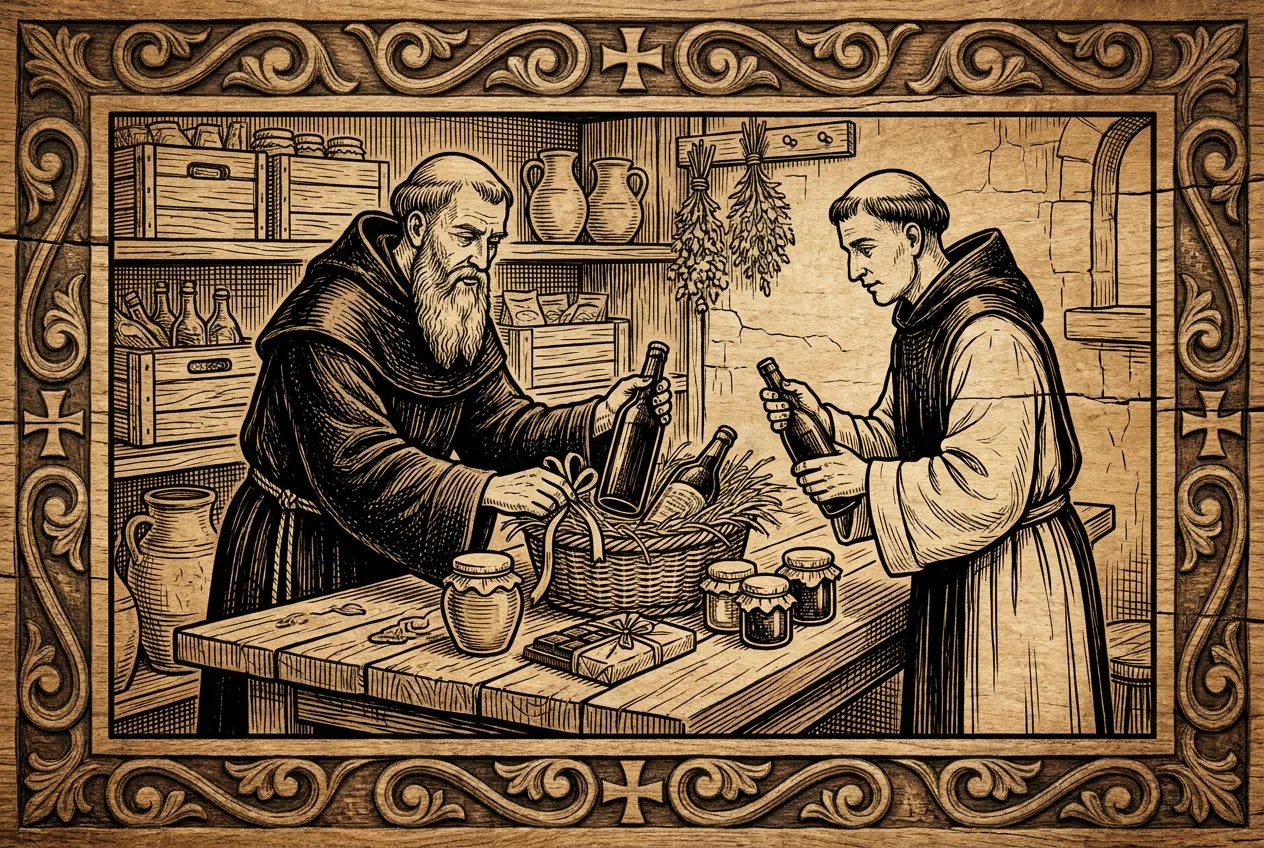
A monastic gift has something few other gifts possess: it tells a story of a place, slow craftsmanship, and tradition. Whether it's a Trappist beer, a jar of honey, or a bar of chocolate, each product comes from hands that have patiently nurtured it. Composing a basket, however, requires a bit of method: you need to choose with balance, think about who will receive it, and let the flavors converse. Here's a practical guide to help you succeed.
Start with the Recipient
Before choosing the products, think about the person's tastes. A beer enthusiast will appreciate a selection of two or three different styles, perhaps a dark dubbel and a golden tripel, to discover the differences. Those with a sweet tooth will respond better to chocolate, jams, and honey. Those seeking wellness will enjoy infusions, herbal teas, and some bee products.
The occasion also matters. For a thank you, a small, carefully curated basket with three or four products is enough. For an anniversary or an important moment, you can dare more, with a special bottle like a quadrupel and a sweet companion for it.
The Balance of Sweet, Savory, and Bitter
A good basket works like a good meal: it alternates flavors. A simple rule is to combine a liquid element, a sweet spread, something crunchy or to nibble on, and an aromatic item. A beer, a honey, some chocolate, and an herb or infusion already form a small, harmonious composition.
Avoid pairing too many intensely flavored products. A very full-bodied beer, an herbal liqueur, and an extremely dark chocolate risk overpowering each other. It's better to leave space for a delicate element, like acacia honey or a light fruit jam, to provide a refreshing contrast.
Pairings That Always Work
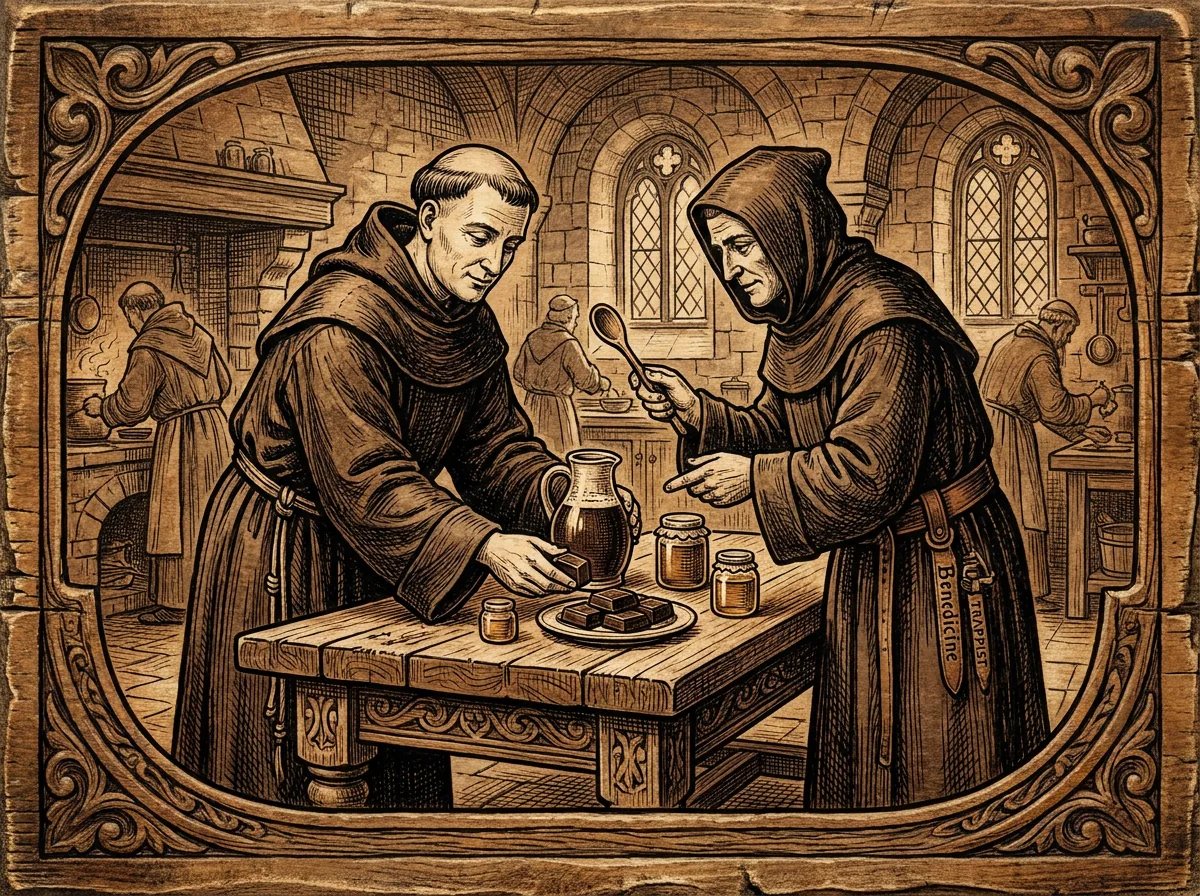
Some pairings are almost foolproof. Dark abbey beer goes well with dark chocolate, as the roasted malt notes echo the cocoa. Chestnut honey, with its decisive character, accompanies aged cheeses and herbal teas. Citrus jam pairs with a spicy tripel, which enhances its freshness.
Adding a card with a few lines about the origin of the products makes the gift more personal. Explaining that the honey comes from the cloister's bees, or that the beer is produced according to a handed-down recipe, transforms the basket into a small story to share.
Presentation and Storage
Presentation matters as much as the content. A wicker basket, some straw or kraft paper, and a simple ribbon evoke the sober atmosphere of the monastery. Arrange heavier bottles at the bottom and more delicate products, like chocolate and sweets, at the top to protect them during transport.
Finally, remember to indicate how to store the products. Beers should be kept cool and away from light, chocolate away from heat, and honey at room temperature. Small attentions like these ensure the gift arrives and is enjoyed at its best.
Explore related products
Products mentioned in this article
- Trappist Beer Zundert 10 brown 33 clfrom €4.91trappist-beers-and-monastery
- Bitter cocoa powder 250 g Trappisti Frattocchiefrom €7.90trappist-chocolate
- Zundert 8 Amber High Fermentation Beer 33 clfrom €4.13trappist-and-abbey-beers
- Milk chocolate with chopped hazelnuts 50 gr Camaldolifrom €4.90Trappist chocolate
- Tynt Meadow Beer Goblet 33 clfrom €6.90trappist-beers-and-monastery
Frequently asked questions
Three or four well-chosen products are usually enough for an elegant basket. For special occasions, you can go up to six, always maintaining a balance between sweet, savory, and beverage.
Yes, especially if you choose accessible styles like a golden tripel or a smooth dubbel. Adding a brief tasting note helps those unfamiliar with this world.
You can focus on honey, jams, chocolate, infusions, and herbal teas, or on cosmetics made with herbs and essential oils. Monasteries produce a very wide range of products even without alcoholic beverages.
Keep beers and chocolate in a cool, dry place away from light, and honey at room temperature. This way, they will arrive in perfect condition.