Monastery Chocolate: From Cocoa Bean to Bar
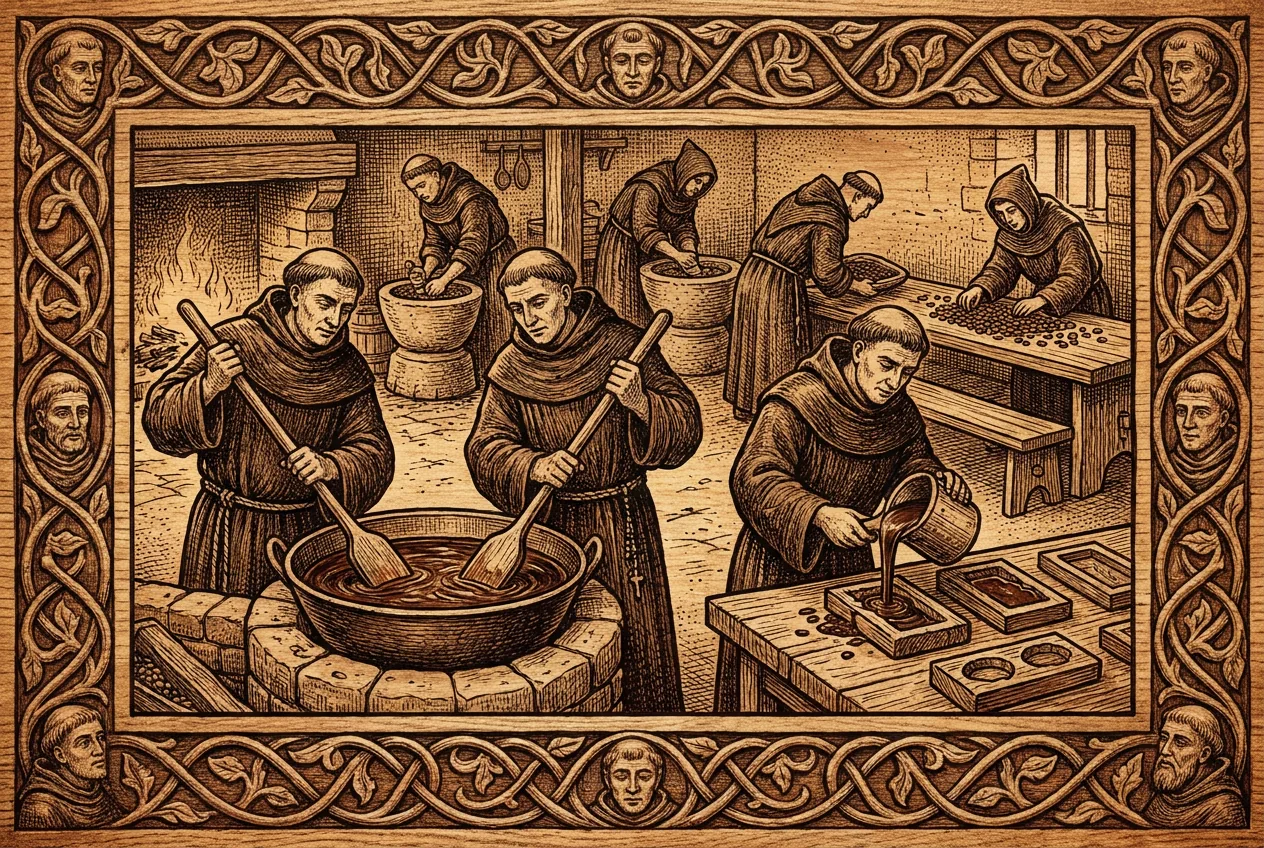
Monastery chocolate tells a philosophy even before it tells a flavor: to do a few things, do them well, and without haste. From the cocoa bean to the finished bar, every step is entrusted to patience and human hands, without industrial shortcuts. Understanding how artisanal chocolate is made helps to recognize its value and rediscover the authentic taste of a simple pleasure.
Cocoa Enters the Convent
In monastery workshops, chocolate has never been just a sweet treat, but a small exercise in dedication. Around cocoa, monks have applied the same spirit they dedicated to herbs, honey, and wine: attention to raw materials, measured gestures, and no haste. The processing is handed down as precious knowledge, preserved and refined with constancy.
It all begins with the selection of cocoa beans, chosen for their aroma and quality. Quantity doesn't matter, but the goodness of the starting point does: a good bean makes good chocolate, while no technique can correct mediocre raw material. It's an ancient and always valid lesson, which puts the ingredient at the center of everything.
The Slow Process, Gesture After Gesture
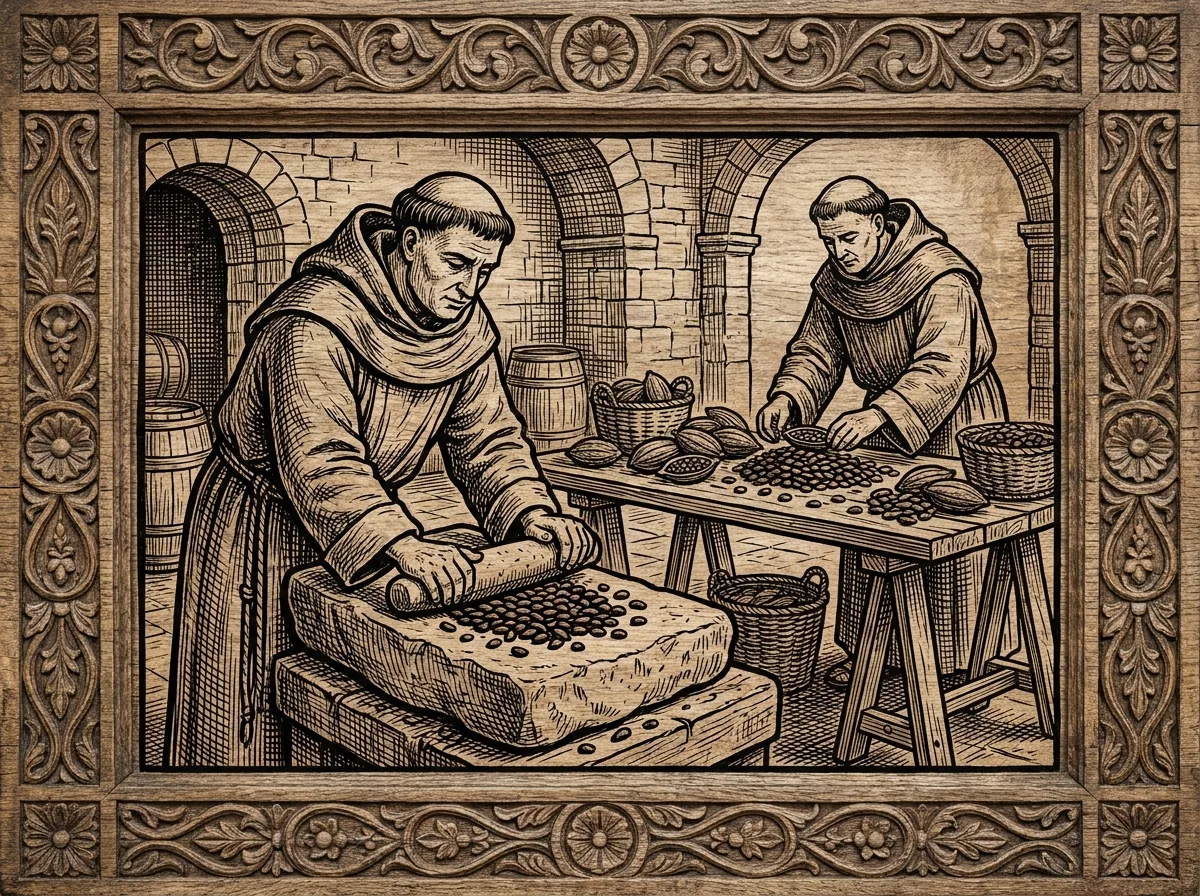
The beans are first carefully roasted, to release their aroma without burning their most delicate notes. It's a subtle balance: a few degrees too much or a few minutes longer change the character of the chocolate. The monk overseeing the roasting learns to rely on smell and experience, rather than rigid rules.
After roasting comes grinding, once done by hand on stone, which transforms the nibs into a dense, velvety paste. This is followed by the long phase where the chocolate is mixed and refined for hours, until it becomes smooth and enveloping. It is here that patience becomes flavor: the slower the work, the rounder and more elegant the chocolate is on the palate.
Few Ingredients, Great Purity
The strength of monastic chocolate lies in the simplicity of the recipe. Cocoa, a little sugar, and, when needed, a touch of cocoa butter: nothing superfluous, no added vegetable fats, no artificial flavors. The fewer ingredients there are, the more sincerely the cocoa flavor can express itself.
This purity is felt at the first taste. A well-made chocolate doesn't need excessive sugar to be pleasing: it allows its natural notes to emerge, which can recall dried fruit, toasted bread, or a slight hint of spices. It's a full, clean taste that invites you to slow down and savor one square at a time.
How to Recognize Good Chocolate
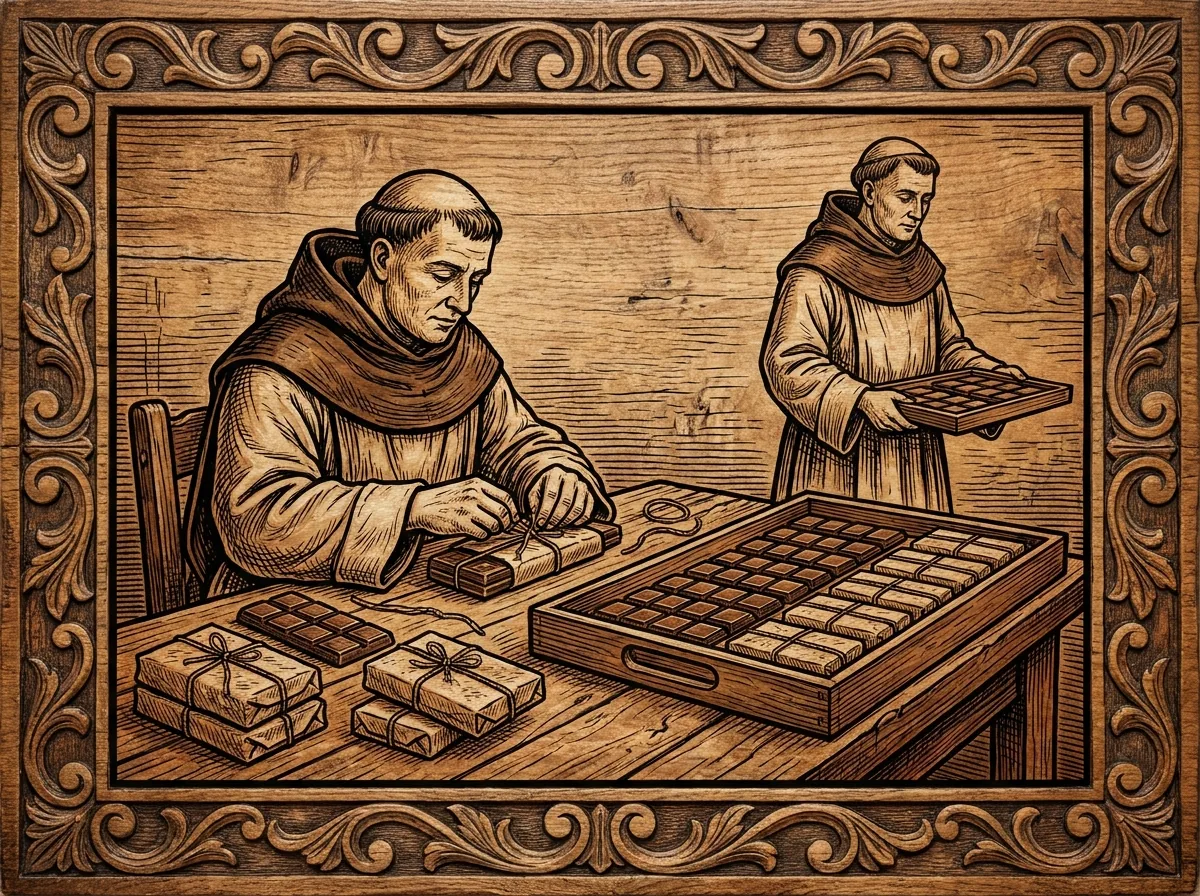
Some signs are unmistakable. Good chocolate has a shiny, uniform surface and, when broken, produces a clean, dry snap: this indicates a well-executed process. To the nose, it releases an intense and inviting aroma, while in the mouth it melts smoothly, without leaving waxy or grainy sensations.
It's always worth reading the ingredient list: the shorter, the better. Look for cocoa at the top of the list and be wary of long sequences of additives. Store the bars in a cool, dry place, away from strong odors, and enjoy them at room temperature to fully appreciate their aroma and melt.
Explore related products
Products mentioned in this article
- Pine Gem Candies Camaldolifrom €3.99candies-sweets
- Honey and Propolis Candies 100 gr Camaldolifrom €3.99candies-sweets
- Purissima Licorice Camaldoli 40 grfrom €4.79candies-sweets
- Anise Candies, Sugar-Free 100 gr Camaldolifrom €4.79candies-sweets
- Camaldoli Honey Candiesfrom €3.99candies-sweets
Frequently asked questions
The artisanal and slow processing, combined with the choice of a few quality raw materials. Monks meticulously handle every step by hand, without haste and without superfluous additions, allowing the authentic flavor of cocoa to fully emerge.
Dark chocolate contains a high percentage of cocoa and little sugar, with an intense flavor; milk chocolate adds milk for a sweeter and creamier taste; white chocolate is made with cocoa butter, milk, and sugar, without cocoa mass, making it the most delicate.
Keep it in a cool, dry place, between 15 and 18 degrees Celsius (59-64°F), away from light, humidity, and strong odors. Avoid the refrigerator, which can cause condensation: room temperature is ideal for best appreciating its aroma and texture.
Not necessarily. That whitish bloom is often just the migration of fats or sugars due to temperature fluctuations: the chocolate remains edible, although it may lose its shine and crispness. To enjoy it at its best, it's still advisable to store it consistently.