Cooking with Trappist Beer: Simple Monastery Recipes
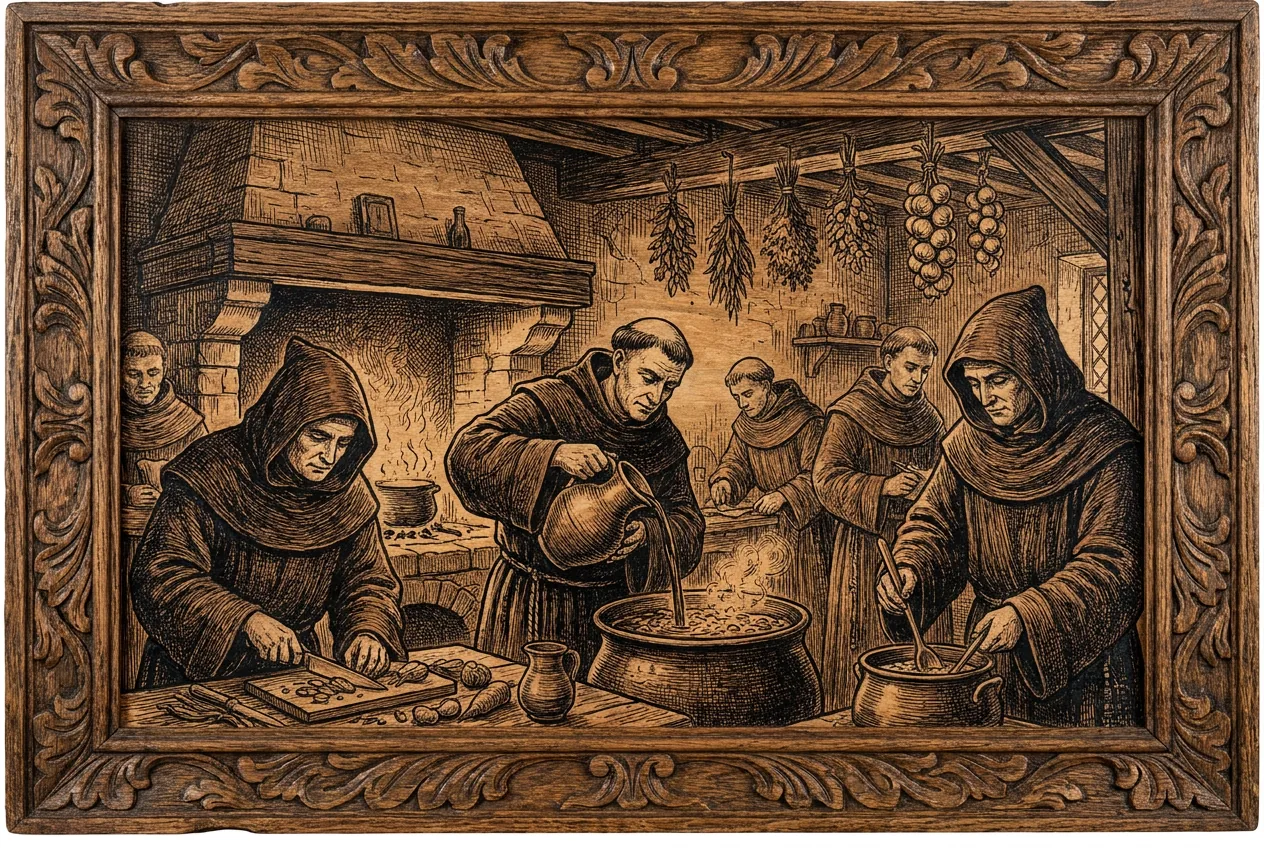
In abbey kitchens, beer isn't just for drinking: it's a staple ingredient, like oil or wine. It gives body to stews, deglazes onions, and enriches sauces. With a few simple rules, you can bring this ancient practice to your everyday cooking.
Why use abbey beer in your cooking?
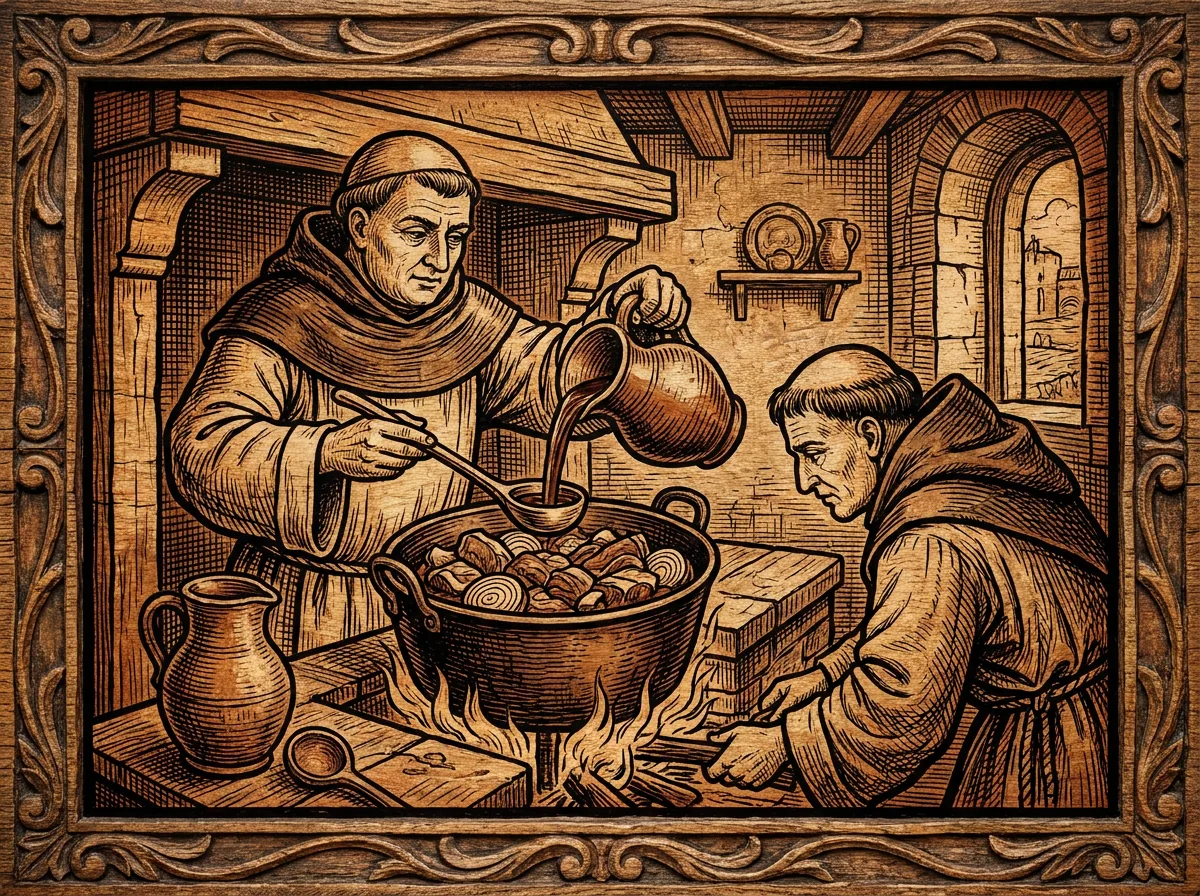
Trappist beers, refermented in the bottle, boast notes of caramelised malt, ripe fruit, and spices. When cooked, these flavours concentrate, lending a beautiful roundness to your dishes. The subtle bitterness of hops balances fats, while residual sugars help create a lovely browning on meats and vegetables.
The advantage over wine is the malty sweetness, which pairs wonderfully with rustic dishes and ingredients like onions, mushrooms, cheeses, and baked goods. A 33cl bottle is usually enough for a family-sized pot; the rest, of course, is for enjoying at the table.
Dubbel, Tripel, or Quadrupel: Which for Which Dish?
The dubbel, dark and fruity, is the queen of stews: beef, slow-cooked onions, and a spoonful of mustard create a deep, velvety dish. The tripel, golden and spicy, is perfect for risottos, baked fish, and creamy sauces, where it brings freshness without overpowering other aromas.
The quadrupel, higher in alcohol and richer, should be used sparingly: just a few spoonfuls to deglaze a braise or to flavour desserts made with dried fruit and chocolate. As a general rule, the more intense the beer, the less you need.
Technique: Quantities, Times, and Little Tricks
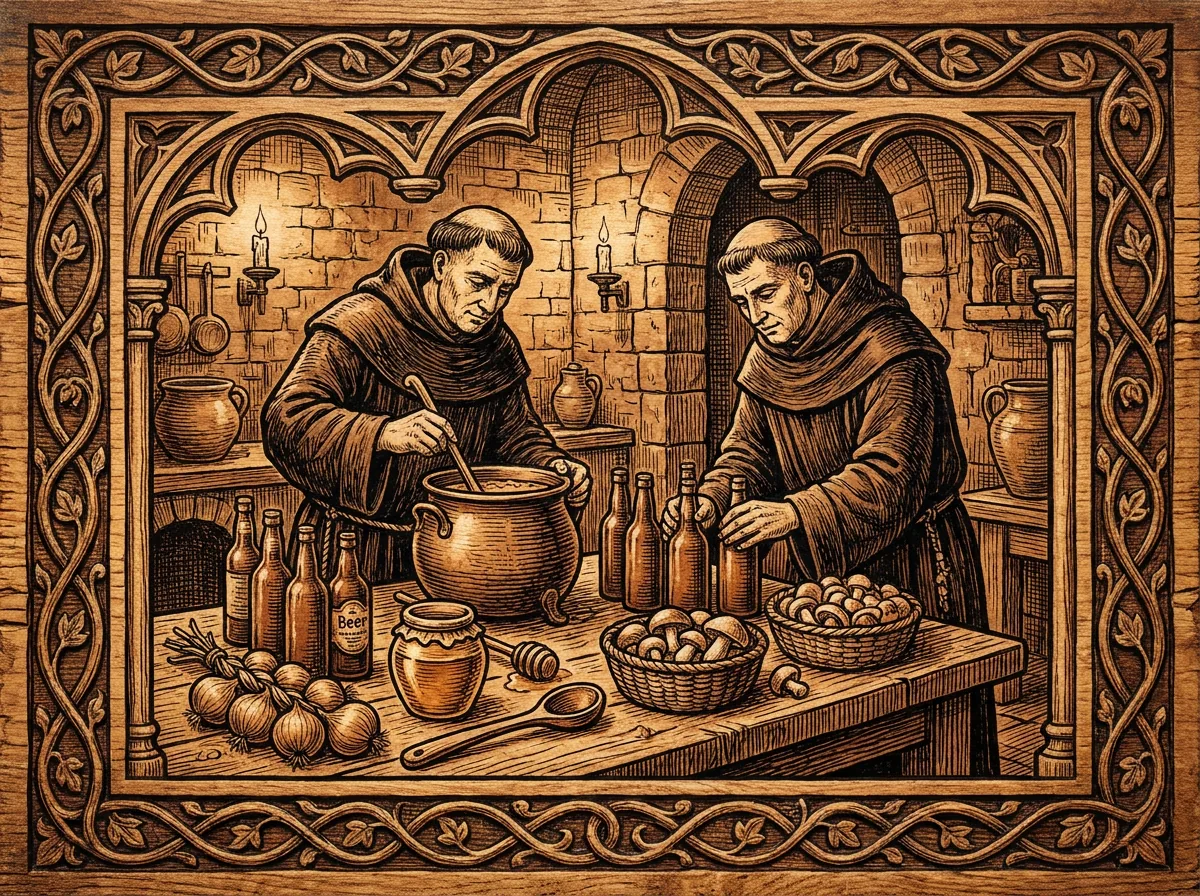
Always deglaze with beer in a hot pan and let it simmer for at least a couple of minutes to allow the alcohol to evaporate, leaving behind only the aromas. For stews, calculate about one glass per half a kilo of meat and allow for long, gentle cooking: the malt needs time to meld.
Watch out for bitterness: very hoppy beers, cooked for a long time, tend to become rough. If the dish turns out too strong, correct it with a teaspoon of honey or a little cream. Taste often, just as a monastic cook would.
Ideas to Try at Home
A classic is dubbel stew with onions and mustard-spread toast; another is tripel risotto with leeks and aged cheese, finished off the heat. Even a simple batter for fried vegetables, made with cold beer, becomes incredibly light and crispy.
For dessert, a chocolate cake with a touch of quadrupel or a beer sauce to accompany cheeses will finish the meal with character. Just one good abbey bottle can open up an entire refectory menu.
Explore related products
Products mentioned in this article
- Tynt Meadow English Trappist Dark Beer 33 clfrom €5.08trappist-beers-and-abbey
- Fresh Tomato Sauce Siloe 340 grfrom €4.70oils and condiments
- Trappist Beer Zundert 10 brown 33 clfrom €4.91trappist-beers-and-monastery
- Extra Virgin Olive Oil Monastero Siloefrom €9.90oils-and-condiments
- Zundert 8 Amber High Fermentation Beer 33 clfrom €4.13trappist-and-abbey-beers
Frequently asked questions
It depends on the dish: dubbel is ideal for stews and braises, tripel for risottos, fish, and light sauces, and quadrupel for small amounts in desserts and reductions.
Mostly, yes, but not entirely: it depends on time and temperature. With long cooking times, very little remains, while in quick or raw dishes, more remains.
Yes, often with excellent results, especially in stews and sauces. Keep in mind that beer is sweeter and less acidic: you can add a splash of vinegar if freshness is needed.
It's best to use it immediately, as it loses its fizz and aromas. If you have a little left, close the bottle tightly, keep it in the refrigerator, and use it in cooking within a day or two.