Sweets and Candies from Convents: The Delicious Tradition of Monasteries
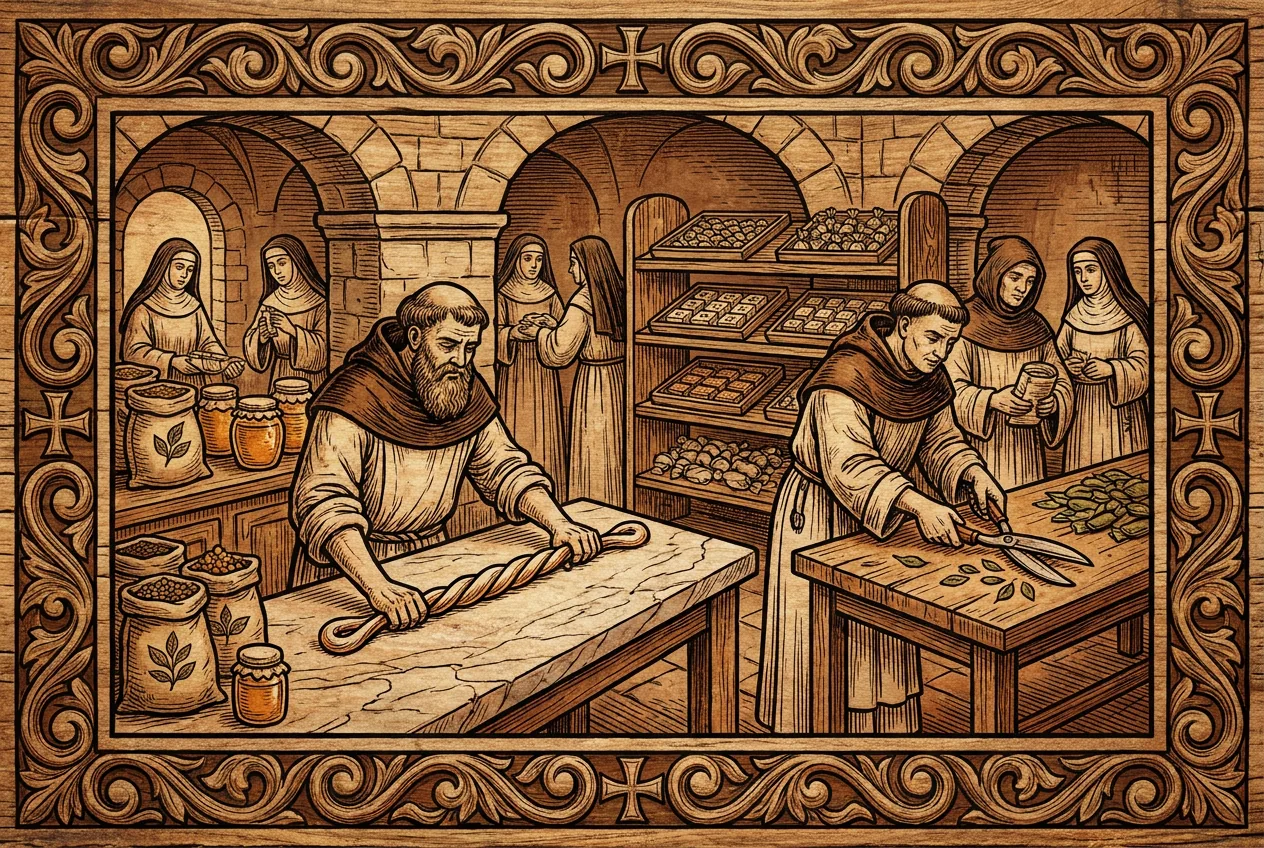
There's a reason why, when we think of a well-made sweet, a monastery comes to mind. For centuries, religious communities were among the few places where all the necessary conditions coexisted: carefully preserved sugar and honey, a lit oven, dried fruit from the garden and forest, and above all, time. A convent sweet isn't born from a brilliant recipe, but from patient repetition: the same preparation, the same hands, the same season, year after year. The result is essential and recognizable confectionery, made from four or five ingredients that taste exactly of what they are.
Why Sweets Originated in Convents
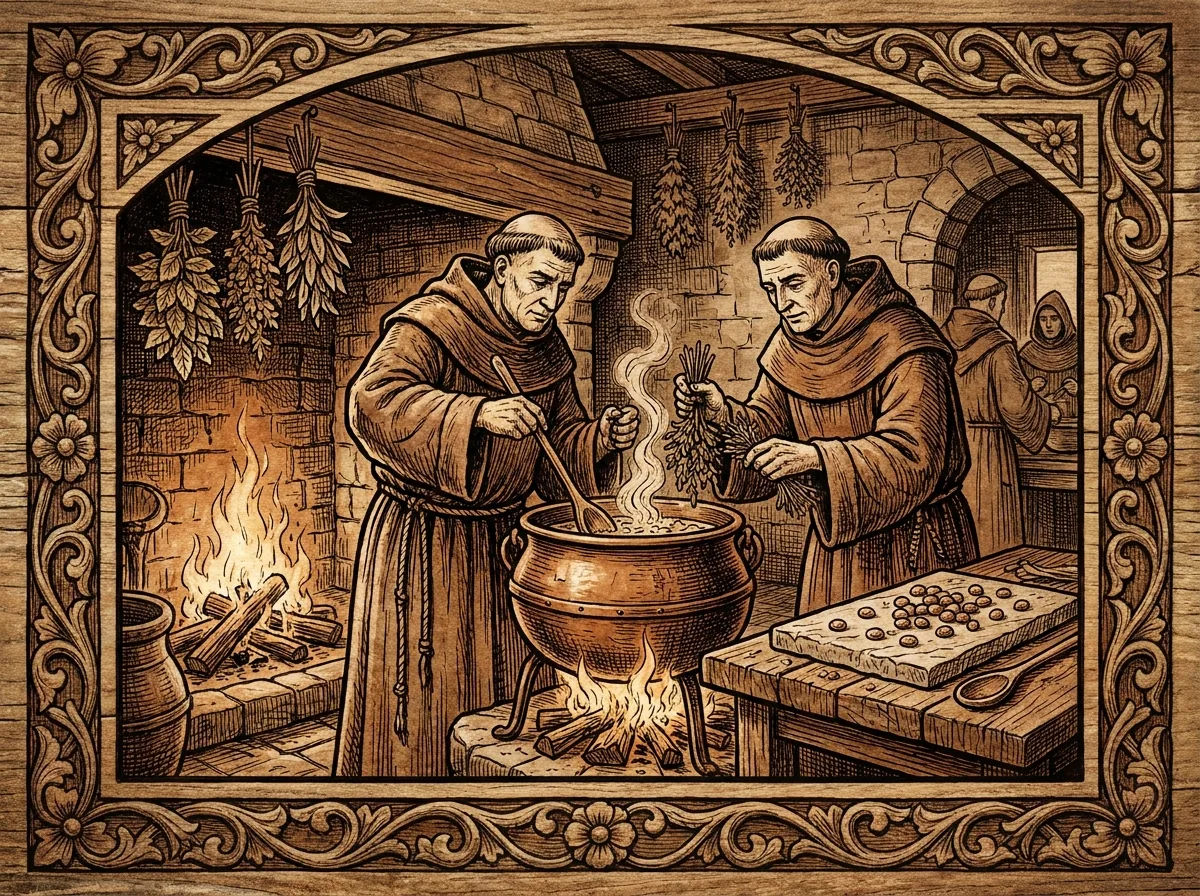
The monastery was long a small self-sufficient system: beehives for honey, almond and walnut trees in the cloister, a communal oven, an organized pantry. When sugar stopped being a pharmacy spice and began to arrive in quantity, convents were among the first to know how to work with it, because they already had experience with honey and preserves. In many cases, confectionery also became a form of sustenance: sweets sold at the wheel or in the parlor paid for the roof, books, and assistance to the poor.
Then there's a deeper reason, linked to the calendar. Monastic life alternates fasting and feasting, and a feast requires a concrete sign: something sweet that marks the transition. Hence the seasonal specialization still recognized today in abbey shops — sweets rich in dried fruit and honey for winter, lighter and more fragrant preparations for spring. It's not marketing: it's the trace of a liturgical rhythm that shaped the pantry even before the taste.
Classic Families: Nougat, Pastilles, Biscuits, and Sugared Almonds
Nougat is perhaps the progenitor: egg white, honey, sugar, and almonds or hazelnuts, cooked in a bain-marie for hours, stirring constantly. It's a sweet that doesn't allow shortcuts, because the long cooking is what gives it the right structure — crumbly or soft depending on time and temperature. Alongside nougat are croccanti (brittle) and mandorle atterrate (caramelized almonds), more rustic cousins that use the same principle: caramelized sugar and dried fruit, nothing else.
The second great family is that of herbal pastilles and candies, a product of herbalism rather than confectionery. They arise from the encounter between sugar syrup cooked at a precise temperature and an infusion or essential oil derived from plants in the herb garden: eucalyptus, mint, sage, thyme, anise, licorice, elderflower. The picture is completed by dry dipping biscuits — butter, flour, eggs, little else — and sugared almonds, where an almond is coated in sugar through dozens of very slow steps.
How to Recognize a Well-Made Convent Sweet
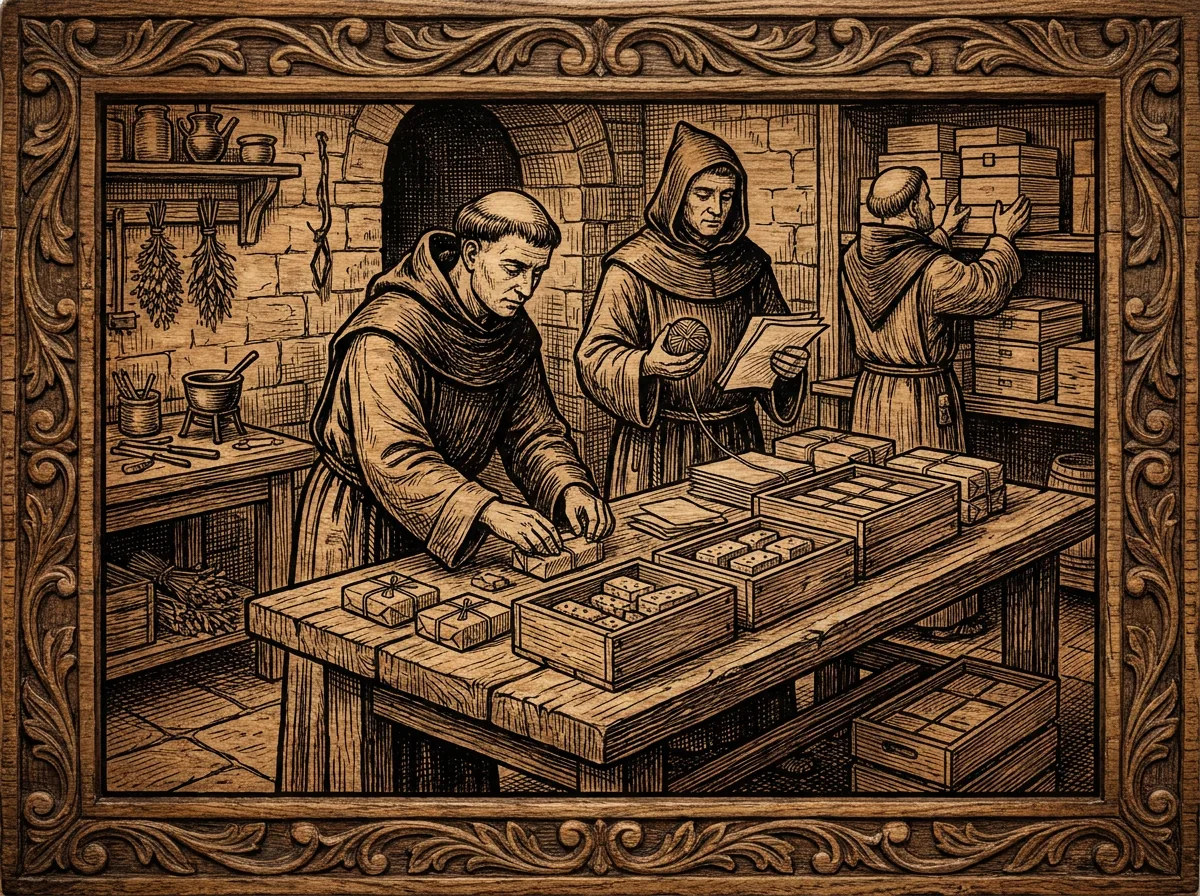
The first clue is a short label. A good abbey nougat lists honey, sugar, almonds, egg white, and host: if generic vegetable fats, glucose syrups at the top of the list, or natural identical flavorings appear, we are looking at an industrial product with a monastic image on it. The same applies to herbal candies: look for extracts or essential oils declared by name, not a vague "herbal flavor."
The second clue is the percentage of dried fruit, which in quality nougat significantly exceeds half the weight. The third is sensory: an honest convent sweet is less sweet than expected. Honey brings acidity and floral notes, almonds a slight bitterness, herbs a bitter or balsamic trail. If only sugar remains in the mouth and the sensation quickly fades, the raw material is lacking. Finally, pay attention to seasonality: small productions run out, and a consistently complete catalog all year round is rarely a good sign.
Storing and Enjoying: Small Tips
Sugar is hygroscopic, and this dictates almost all the rules. Nougat and brittle should be kept away from humidity, in an airtight container at room temperature: the refrigerator makes them sticky and opaque. Loose hard candies prefer a glass jar with a good seal, away from the stove. Dry biscuits, on the other hand, are most afraid of odors: a tin is better than a bag left next to coffee.
In terms of taste, it's worth treating these sweets as you would cheese or wine: at room temperature, in small portions, without haste. Nougat served too cold loses half its aroma. Herbal pastilles are best dissolved slowly, not chewed. And the most successful pairings remain homemade ones: almond nougat with a sweet wine or herbal liqueur, biscuits with an herbal tea, sugared almonds on their own, one at a time, as was done when they were a rare luxury.
Explore related products
Products mentioned in this article
- Pine Gem Candies Camaldolifrom €3.99candies-sweets
- Honey and Propolis Candies 100 gr Camaldolifrom €3.99candies-sweets
- Purissima Licorice Camaldoli 40 grfrom €4.79candies-sweets
- Anise Candies, Sugar-Free 100 gr Camaldolifrom €4.79candies-sweets
- Camaldoli Honey Candiesfrom €3.99candies-sweets
Frequently asked questions
The difference is almost always found in the label and the supply chain. A convent sweet has a short, recognizable ingredient list, often linked to raw materials from the community's garden or apiary, with slow processing and limited batches. An industrial product "in monastic style" generally uses glucose syrups, vegetable fats, and flavorings, and is available in constant quantities throughout the year.
They are sweets, not medicines. Balsamic herbs like eucalyptus, mint, and thyme provide a pleasant sensation of relief in the throat, and the salivation induced by the candy itself helps, but they do not replace treatment. They should be considered a small daily comfort, not a therapy: for a persistent ailment, the reference remains a doctor or pharmacist.
Very long, if kept dry. Hard candies and sugared almonds easily last a year or more; nougat is best within six to eight months, because dried fruit loses fragrance over time and can become slightly rancid. Dry biscuits should be consumed more quickly, typically within a few weeks of opening. In all cases, the only real enemy is humidity.
It depends on the sweet. Brittle and many herbal candies contain only sugar, syrups, and plant extracts, so they are often suitable for those who exclude animal products. Classic nougat, however, contains honey and egg white, and biscuits almost always contain butter and eggs. It's worth reading the label case by case: monastic recipes are traditional and vary greatly from community to community.