Monastic Mead: The Honey Drink of Monks
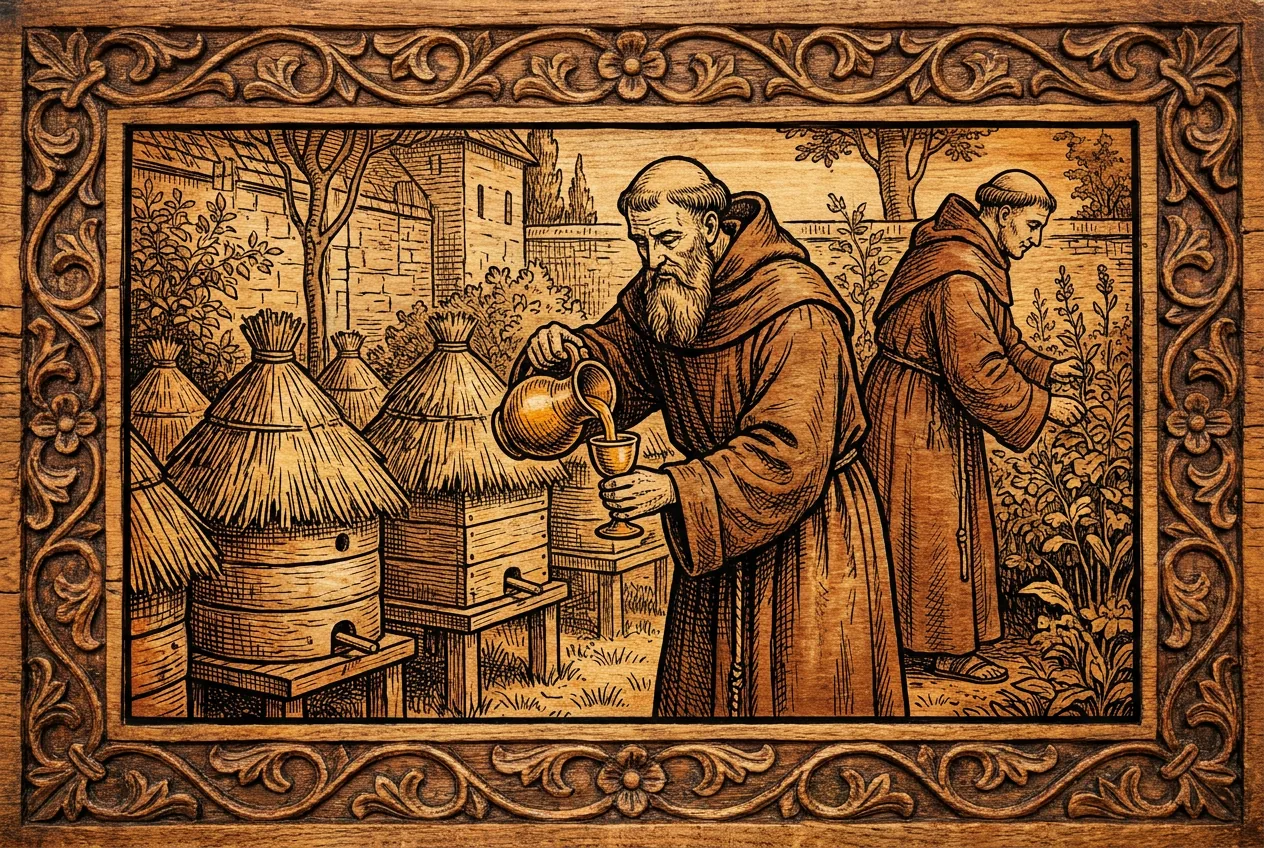
Before beer and wine, there was mead. Monasteries, great custodians of beekeeping, have passed down its recipe for centuries. Let's explore how this golden drink is made, how to recognize its quality, and how to best enjoy it.
Mead, the Oldest Fermented Beverage
Mead is born from the fermentation of honey and water, without cereals or grapes. It is likely the oldest known alcoholic beverage, and in the Middle Ages, monasteries preserved its recipe alongside the art of beekeeping. Abbeys kept beehives for the wax used in liturgical candles, and excess honey found a second use in this very drink.
The result is a liquid ranging in color from straw to amber, with aromas of flowers and honey, and an alcohol content typically between 8 and 16 degrees. It can be dry, semi-dry, or sweet, depending on how much residual sugar is left after fermentation.
How it's Prepared in Monasteries
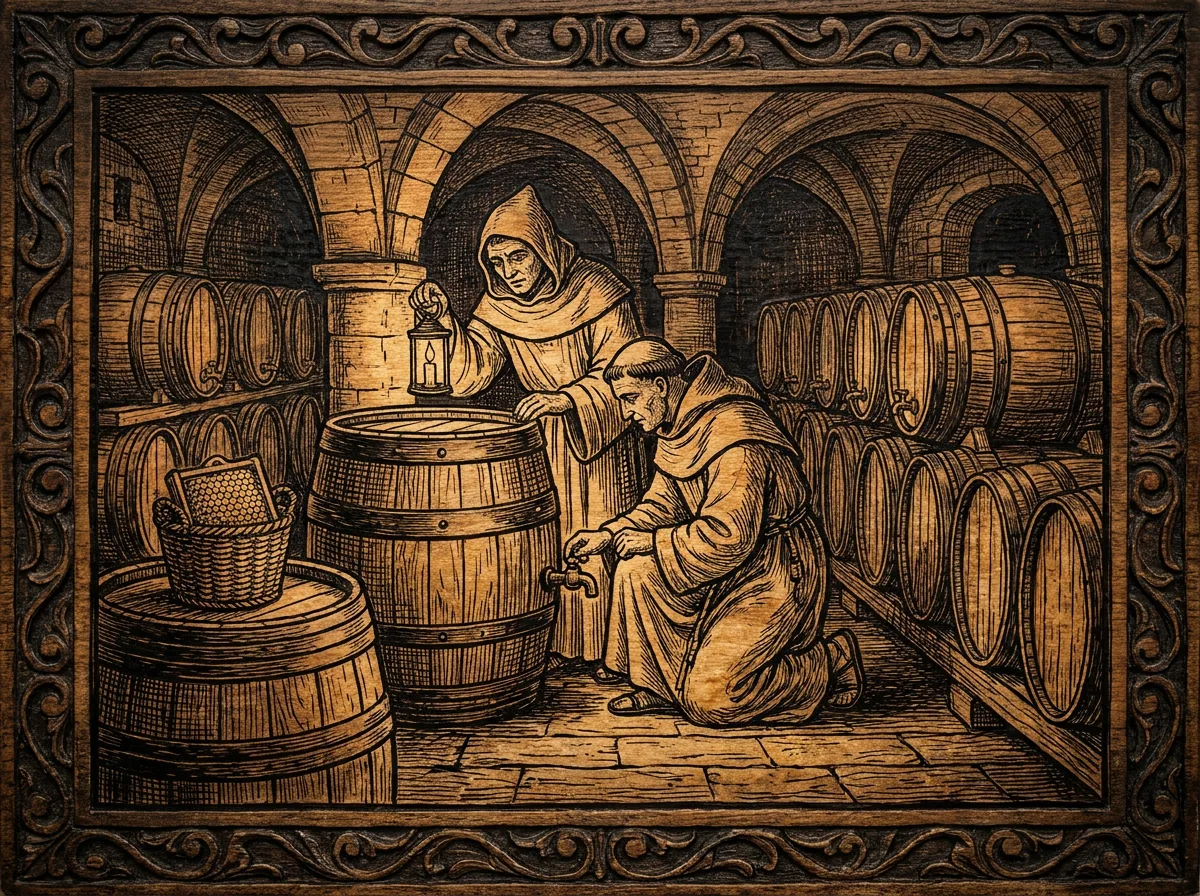
It starts with good quality honey, diluted in water and inoculated with selected yeasts. Fermentation is slow and temperature-controlled: it can last weeks or months, and a good part of the final character depends on the patience with which the process is carried out. After fermentation, the drink rests and clarifies before bottling.
Some recipes add herbs, spices, or fruit: these are called melomels if fruit is present, or metheglins if herbs and spices are used. In abbeys, the choice of aromas often follows the plants from the monastic garden, such as hops, thyme, rosemary, or orange peel.
Which Honey Makes Good Mead
Each honey leaves its unique imprint. Acacia honey yields a delicate and clear mead, suitable for beginners. Wildflower honey is more complex and floral, while chestnut honey, with its slightly bitter and tannic note, produces more structured, contemplative drinks.
A good producer will indicate the type of honey and alcohol content on the label. Be wary of very sugary drinks with artificial flavors: well-made mead is aromatic but balanced, and sweetness never overwhelms acidity.
How to Serve and Pair It
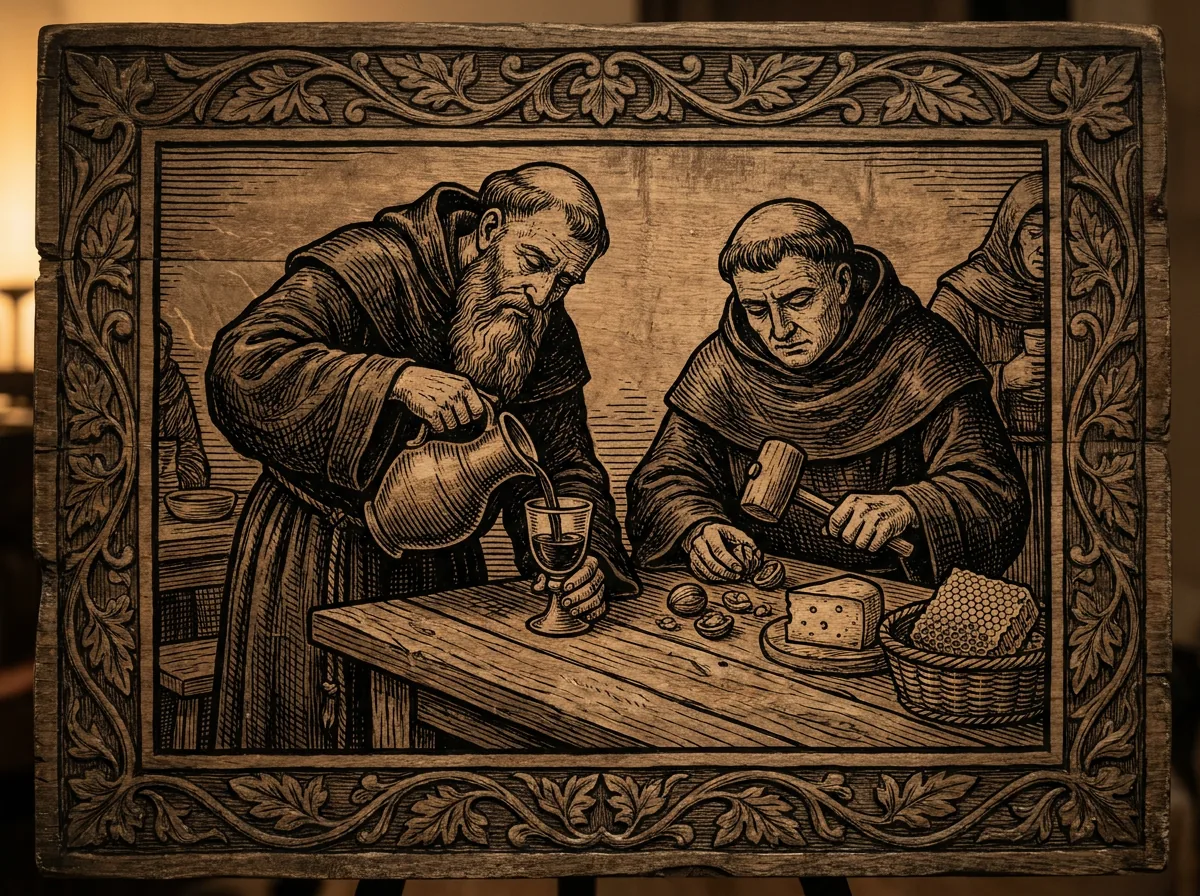
Dry and semi-dry meads are best served chilled, around 10-12 degrees Celsius, in a tulip glass that concentrates their aromas. Sweet ones are more suitable for after-dinner, at a slightly higher temperature, like a dessert wine. In winter, it can even be warmed with a citrus peel and a few cloves.
The most successful pairings are with blue and aged cheeses, foie gras, dried fruit, apple pies, and honey-based pastries. A dry mead also pairs well with spicy dishes and white meats.
Explore related products
Products mentioned in this article
- Acacia Honey 1000 gr Camaldolifrom €17.90beekeeping products
- Laurus 48 di Camaldoli 700 mlfrom €22.79liqueurs-grappas-digestifs
- MI POL GEL Camaldoli 250 mlfrom €9.19beekeeping products
- Nocino di Camaldoli 700 mlfrom €22.79liqueurs-brandy-digestifs
- Reconstituting Flower Pollen 100 gr Camaldolifrom €6.70beekeeping products
Frequently asked questions
Neither: it's a fermented beverage made from honey and water. In terms of alcohol content and structure, it's more similar to wine, but the raw material is completely different.
No. There are dry, semi-dry, and sweet versions. The degree of sweetness depends on the honey used and the amount of sugar left after fermentation: check the label.
Unopened and stored in a cool, dark place, it keeps for a long time, and many meads improve with a few years of aging. Once opened, it should be consumed within a few weeks, preferably refrigerated.
Yes, it's excellent for deglazing white meats, glazing roasted vegetables, or flavoring desserts and creams. Choose a dry or semi-dry version for savory dishes and a sweet one for desserts.