Monastic Herbal Teas: Your Guide to Herbs Cultivated by Monks for Centuries
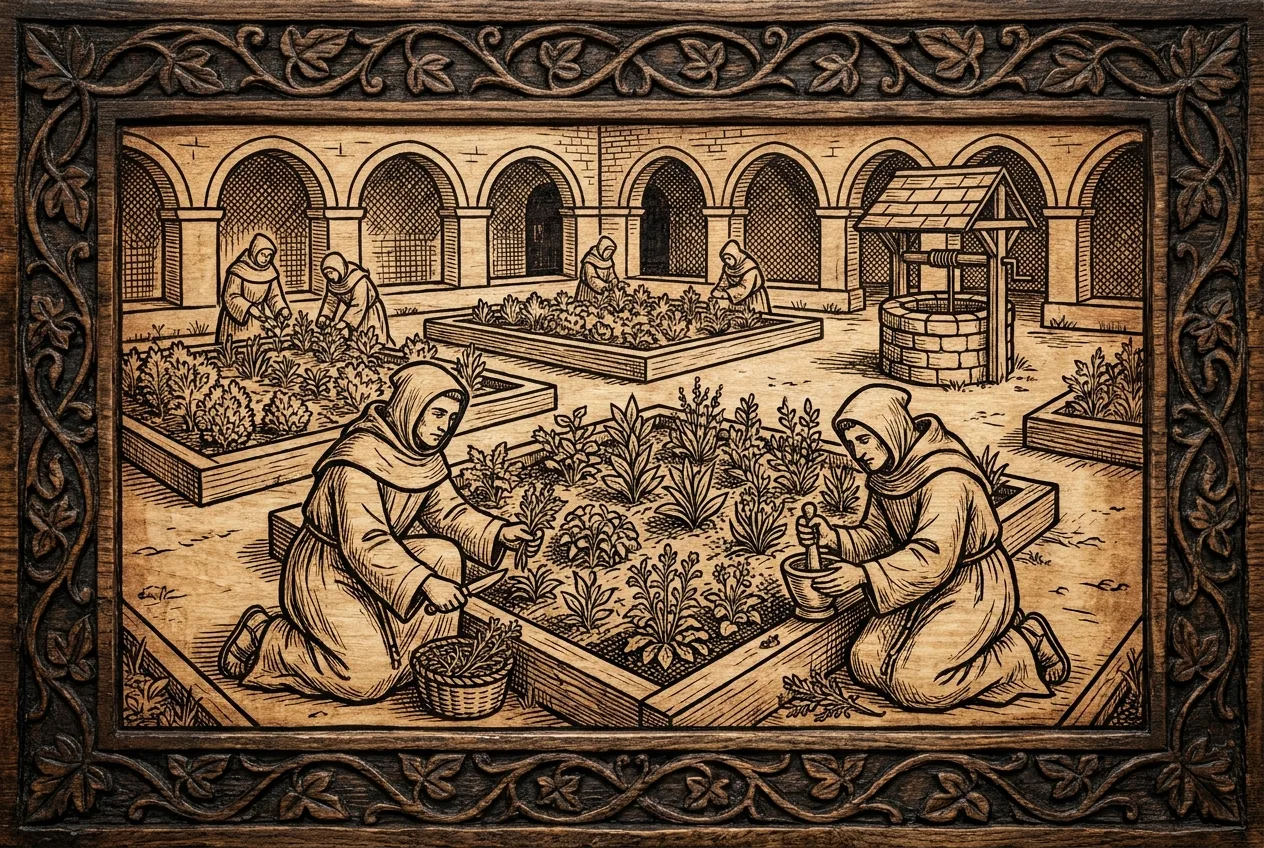
Long before pharmacies existed, knowledge of plants thrived in monasteries. Monks cultivated "gardens of simples," cataloged the properties of herbs, and passed down infusion recipes that have reached us today. Modern monastic herbal teas are the direct heirs of that ancient wisdom.
The Garden of Simples: Where It All Began
In the Middle Ages, every abbey had its hortus simplicium, the garden of simples: a plot dedicated to medicinal plants, the "simples," from which remedies were derived. Monks didn't just cultivate them; they studied them, drew them in manuscripts, and noted their uses, becoming the guardians of the botanical knowledge of their time.
That tradition has never fully ceased. Many monastic communities continue to cultivate herbs and prepare blends today, following recipes rooted in centuries of patient observation.
The Herbs Most Loved by Monks
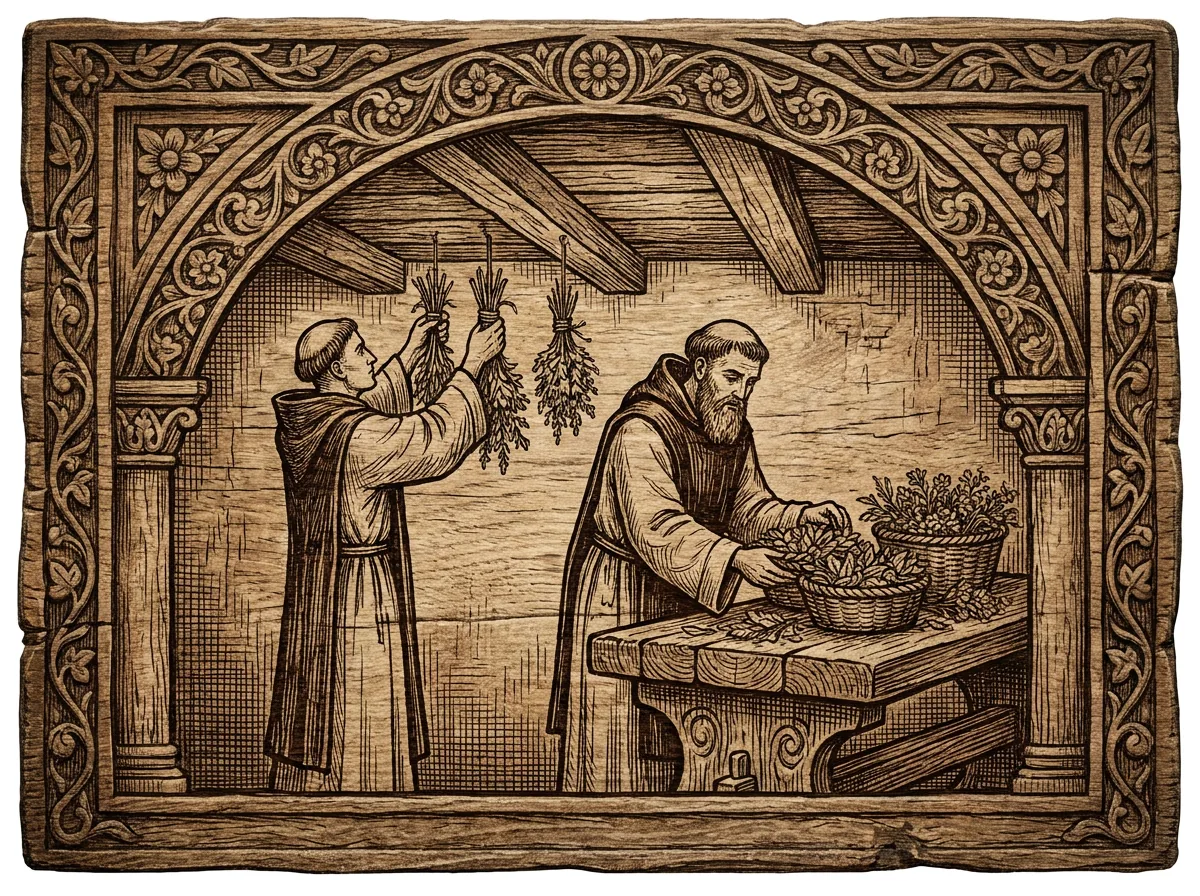
Some plants appear in almost all monastic traditions. Lemon balm, cultivated by monks since antiquity, is famous for its fresh, citrusy notes. Chamomile remains the queen of evening infusions. Mint, sage, and thyme naturally transition from the kitchen to the infuser.
There are also more distinctive herbs: St. John's wort, mallow, linden, verbena, or complex blends where each ingredient plays a role. The secret to good monastic herbal teas lies precisely in balance: carefully studied proportions ensure a harmonious result, not just a random combination.
How to Choose the Right Herbal Tea for You
Start with the time of day. For evening and relaxation, look for blends based on chamomile, lemon balm, or linden. For a refreshing daytime moment, mint and citrus work well. After meals, digestive blends with fennel, anise, or mint are a traditional choice.
Then, consider the quality of the raw material: herbs in tea cut (not powdered), declared origin, and absence of artificial flavors are good signs. Monastic preparations almost always focus on the simplicity of ingredients.
Preparing a Proper Herbal Tea
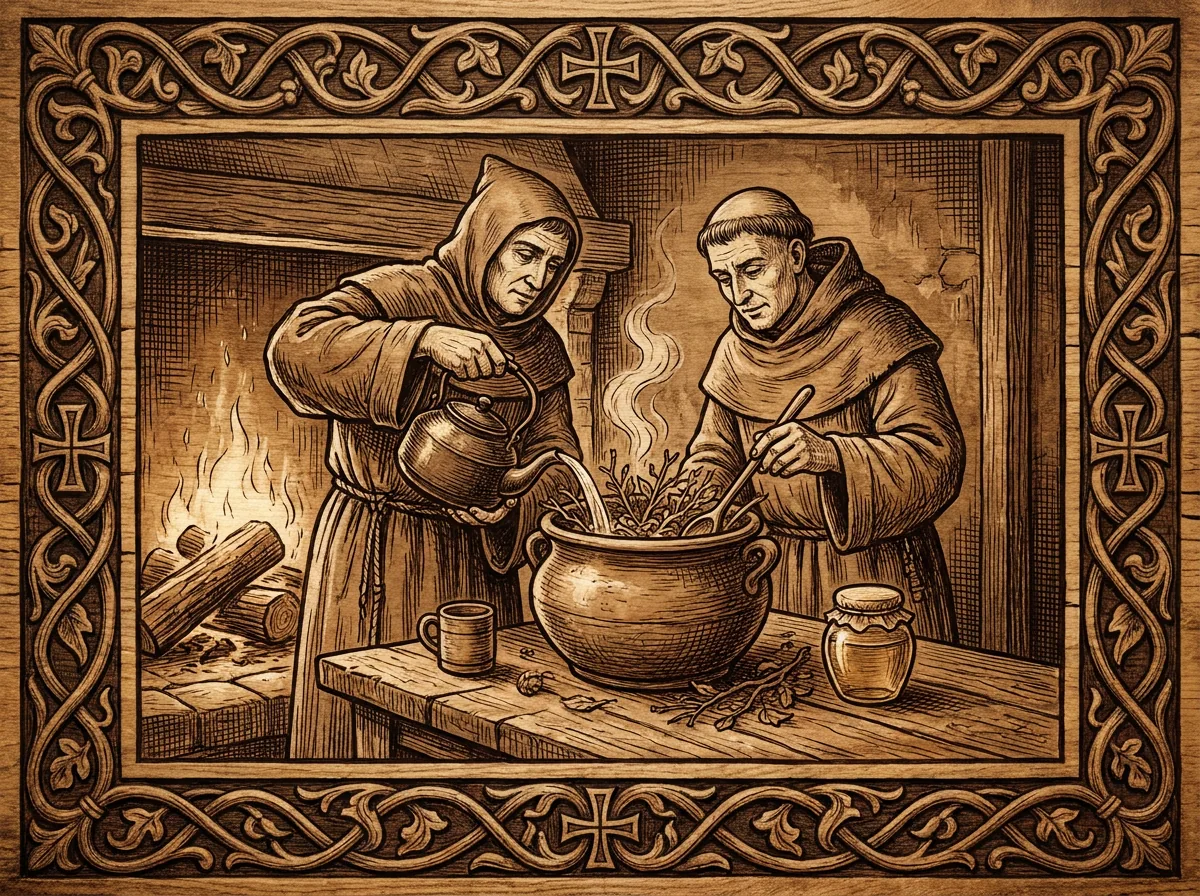
Infusion is a small ritual. Bring water almost to a boil (for delicate flowers and leaves, it's best not to exceed 90–95 °C), pour it over the herbs, and cover: covering prevents volatile essential oils from dispersing with the steam. Steep for 5 to 8 minutes depending on the blend, then strain.
Savor it without rushing. A good monastic herbal tea doesn't need sugar to be enjoyable; if you wish to sweeten it, a spoonful of honey—perhaps also of monastic production—is the most fitting choice.
Explore related products
Products mentioned in this article
- Camaldoli Gramigna Herbal Tea Blend 100 grfrom €7.00infusions and herbal teas
- Propolis Oral Spray Benedettina Herbalistfrom €12.90natural remedies
- Melissa Herbal Tea from Camaldoli 80 grfrom €5.90infusions and herbal teas
- Eucalyptus Syrup 200 mlfrom €17.00natural remedies
- Artichoke Tisane from Camaldoli 80 grfrom €5.90infusions and tisanes
Frequently asked questions
They are infusions of medicinal herbs prepared according to monastic tradition, heirs to the knowledge of medieval "gardens of simples" where monks cultivated and studied plants.
Lemon balm, chamomile, mint, sage, thyme, linden, mallow, and verbena are among the most recurring, often combined in balanced blends.
Pour water almost to a boil (90–95 °C for delicate flowers and leaves) over the herbs, cover to retain essential oils, steep for 5–8 minutes, and strain.
Monastic preparations focus on simplicity: tea-cut herbs with declared origin and, generally, without artificial flavors.